

Glove of the Series: Mizuno Original Clear
A transparent Mizuno, 75 games of Oakland baseball, and everything we know—and still don’t.
by Kyle Robinson
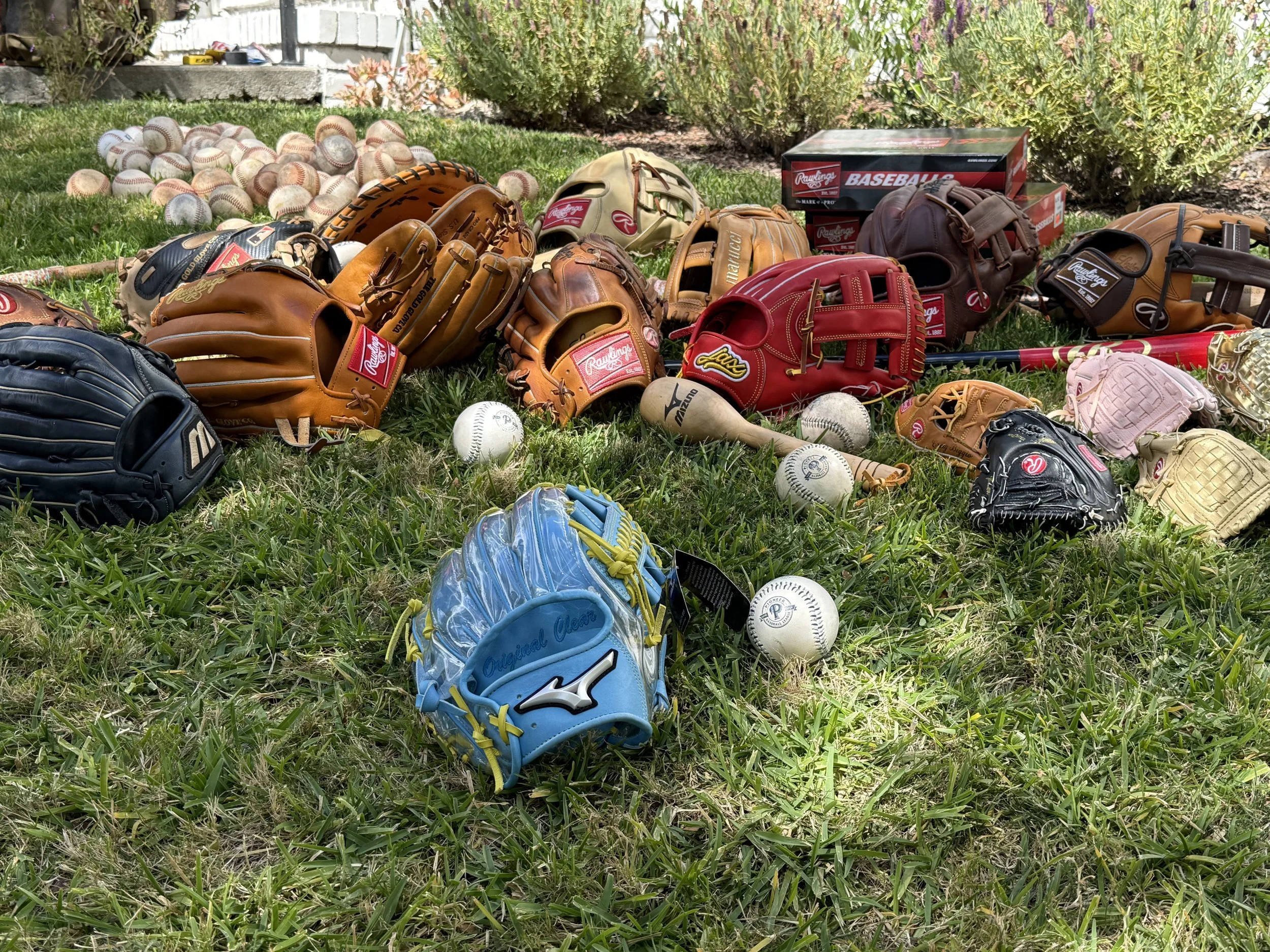
There aren't many secrets left after 75 baseball games. By August, we've seen the it all, we think. We've seen the bullpen, we've seen the lineup when it's rolling and when it isn't. We've seen players arrive, leave, get hurt, get hot, come back or suddenly find themselves responsible for something nobody expected from them in May. We've watched the Oakland Ballers look lost, we've watched them look unbeatable, watched them win eight straight. This week, we watched the Modesto Roadsters come through Raimondi Park and beat them 19-6, 15-4 and 11-1.
Forty-five runs allowed versus eleven scored. We learned something, but mysteries remain. What team will we see in Long Beach tonight? We have a pretty good idea what this team is and yet we don’t know how its story will end.
Baseball gloves are good at keeping secrets. I've learned that repeatedly researching the history of a particular glove or pattern. What leather is this? Who actually made it? What year? Was this really the player's model, or merely something carrying his name? Why did somebody construct the thumb this way? What exactly is hiding underneath the palm? Patents. Old catalogs. Japanese listings. Period photographs. Factory stamps. Model numbers. Collector lore. We've argued about Horween. Tried to identify gloves from four letters stamped into a piece of leather thirty years ago. Occasionally, I’ve gone looking for independent confirmation of something only to discover that one of the search results is apparently just me talking about the same damn glove on Reddit.
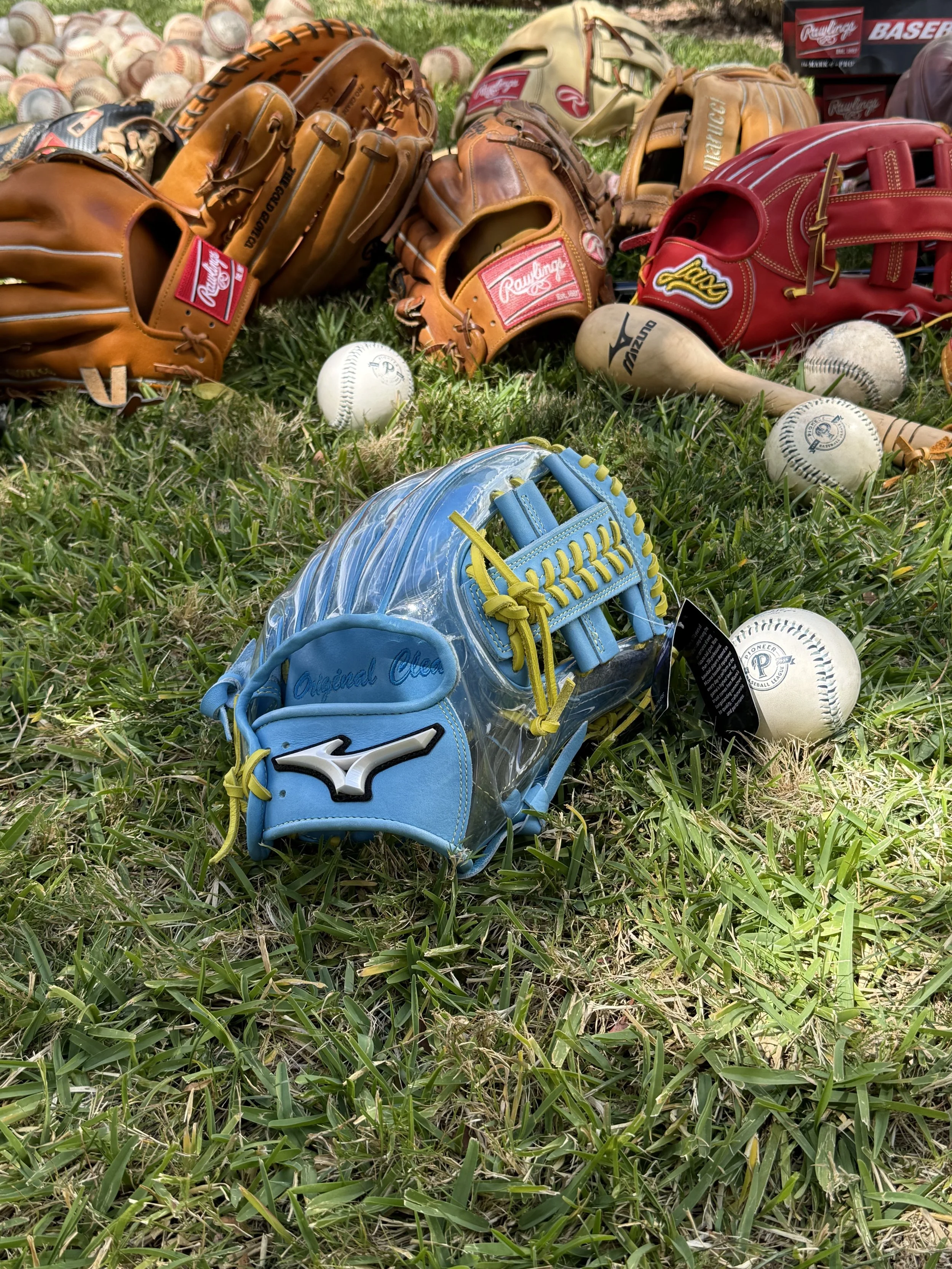
Baseball gloves can be very mysterious things, and Mizuno decided that was ridiculous. So they made one you can see through. This is the Mizuno Original Clear, and unlike some of the strange gloves I've collected, the transparency isn't an accident or a gimmick. Mizuno tells us exactly why it exists, and it's an educational tool.
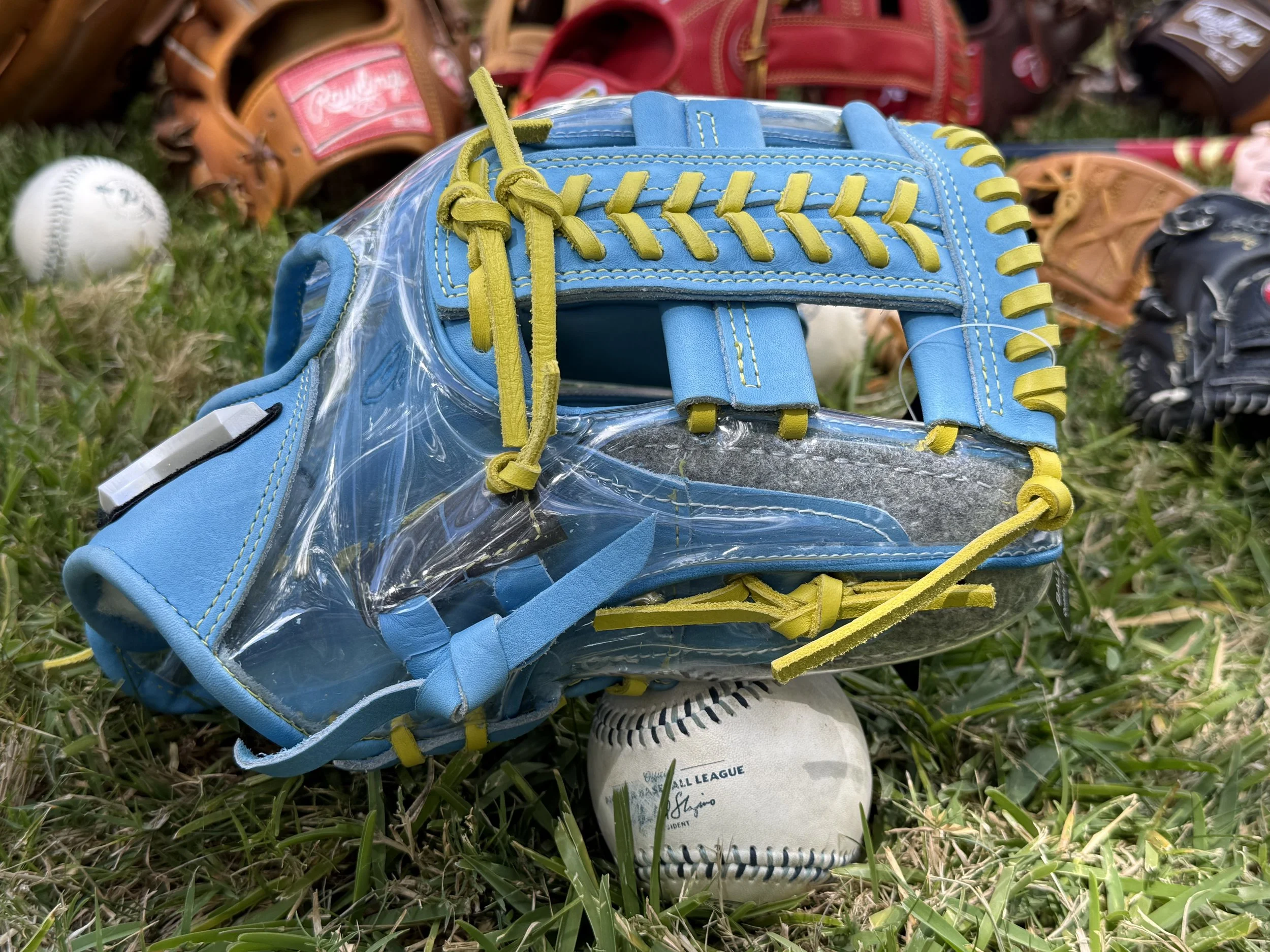
The company describes the Original Clear as a glove designed to expose the internal components and craftsmanship normally hidden inside a finished ball glove. According to Mizuno's own catalog description, the company has been making transparent educational gloves for more than thirty years. This particular generation takes the concept somewhere especially interesting.
Earlier versions were completely clear. The newer Original Clear incorporates a traditional leather palm while leaving the back transparent, preserving the place where glove meets baseball while exposing much of what normally disappears underneath the finished shell. The documented 2024 North American release used Deguchi kip leather, yellow lacing and an upgraded white silicone RunBird patch (something collectors rave about, and I think I see why). Mizuno described that edition as limited and explicitly said it was intended as a collector and educational piece rather than a glove for actual play. The version sitting in front of me carries the same wonderfully straightforward philosophy. From one side, it looks remarkably normal. Leather palm. I-web. Yellow lace. Mizuno.
Turn it over, suddenly the glove stops keeping secrets.
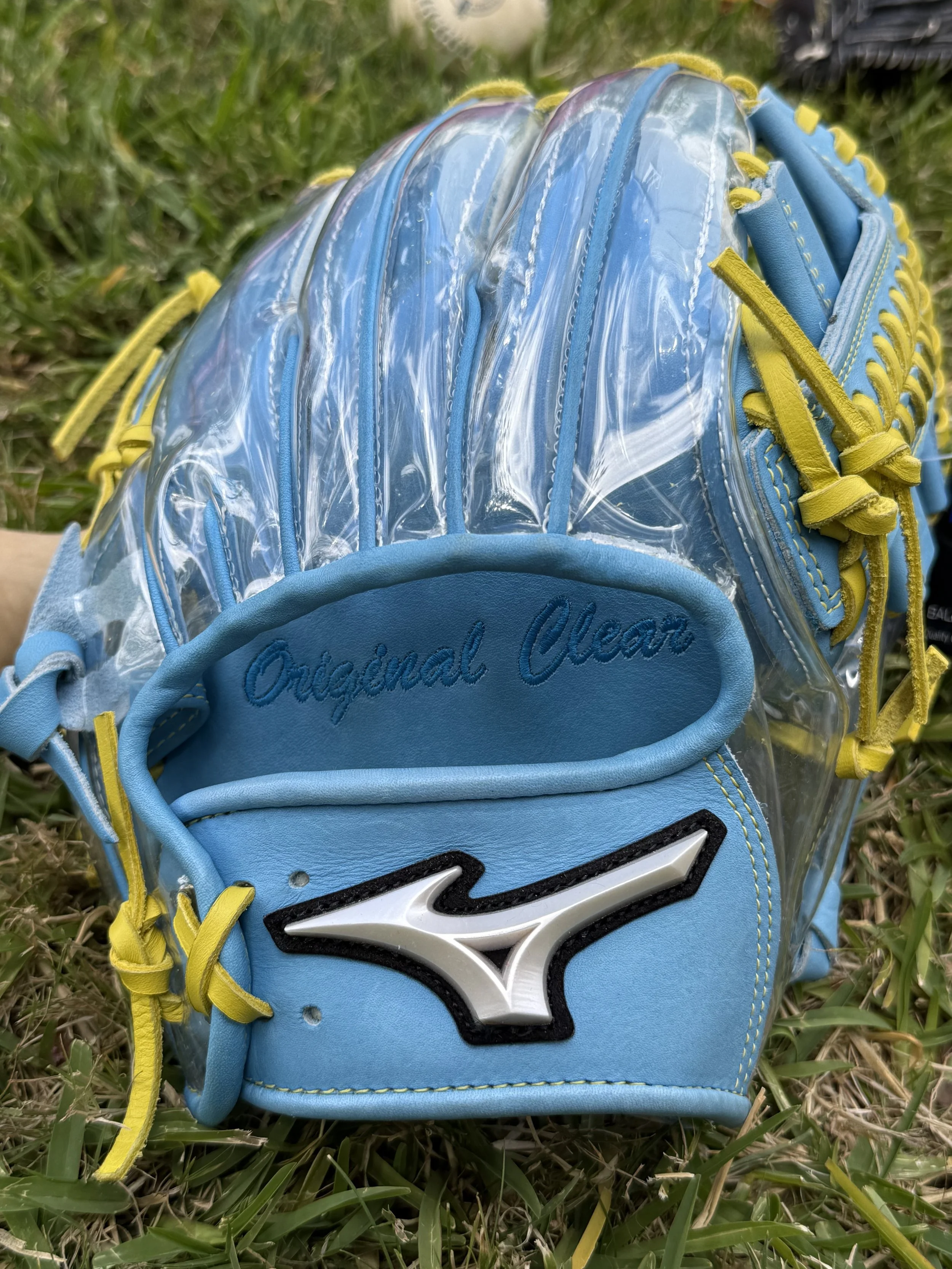
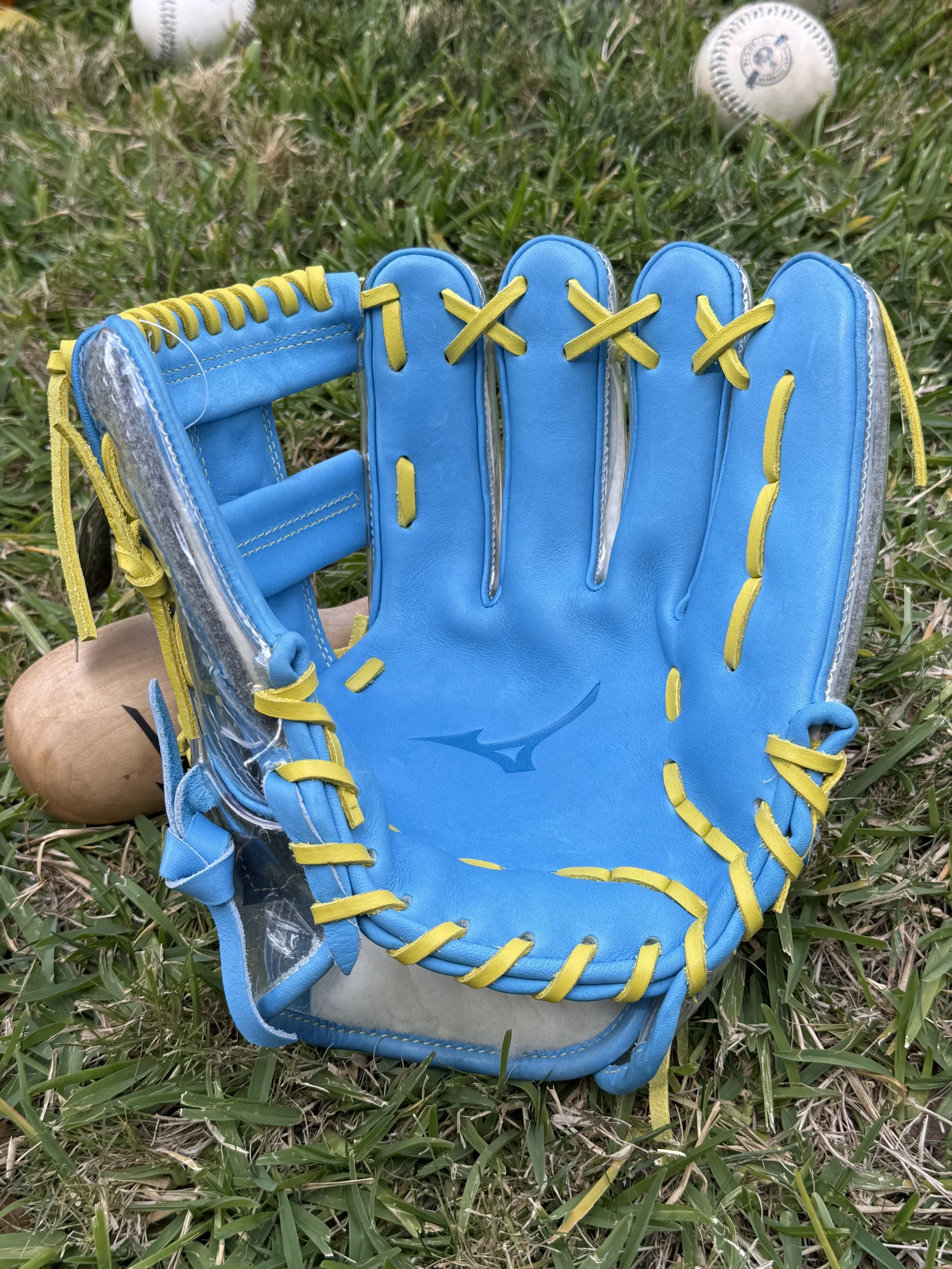
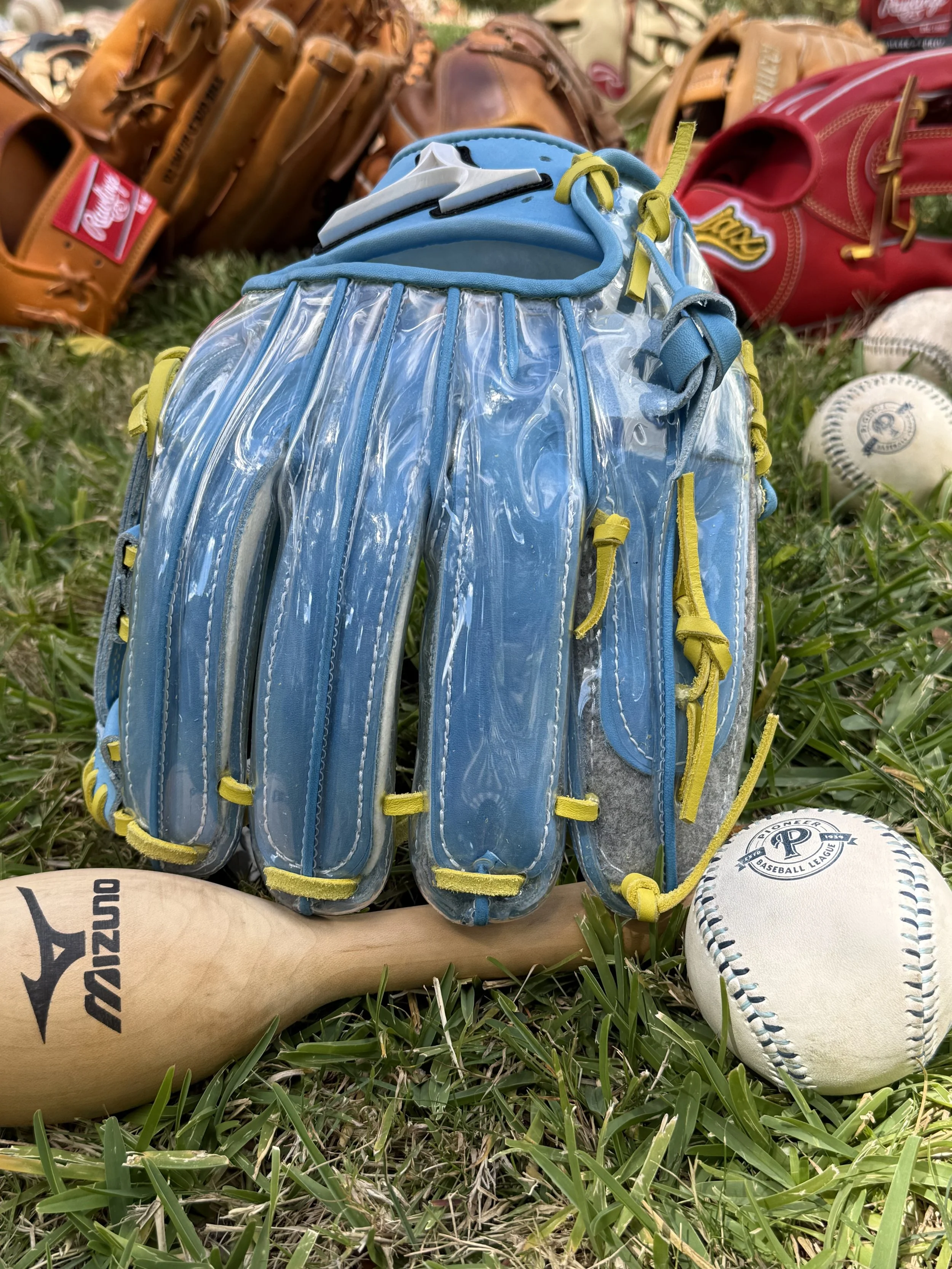
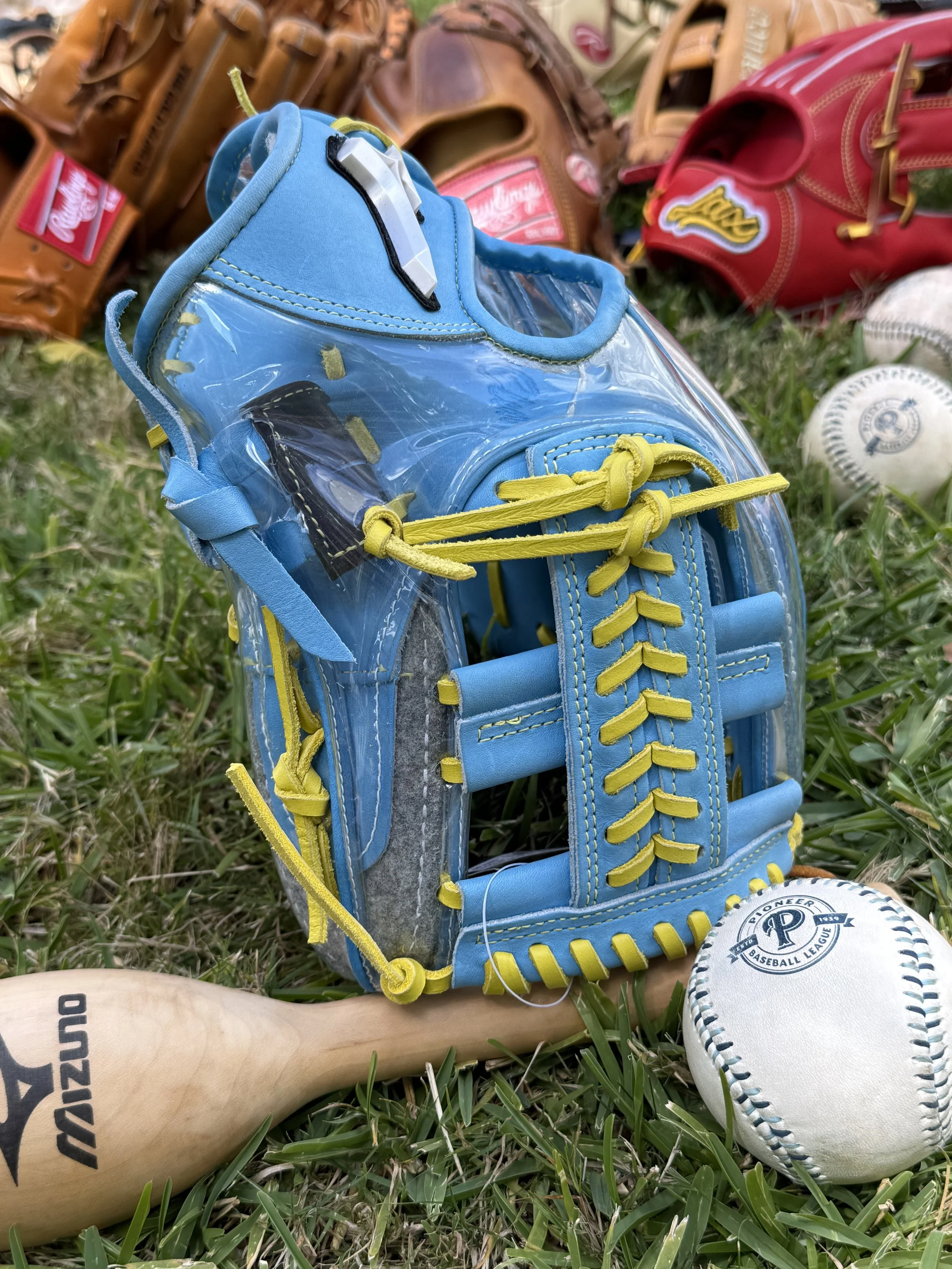
That's what makes this glove so much more interesting than simply being transparent. Mizuno didn't hide the purpose behind some marketing language about being futuristic—Rawlings and Francisco Lindor gave that a run a few years ago. Mizuno wanted people to learn, look closely, see how the pieces interact, to see what's normally covered. See that a baseball glove isn't simply five fingers sewn to a palm with a web stuck between them. There's architecture underneath, there are layers, reinforcements, stalls, laces, binding. Decisions about where something should flex and where it absolutely shouldn't. Every finished glove is the result of somebody answering dozens of tiny questions most of us never even think to ask, and Mizuno spent generations obsessing over those questions.
That's part of what I've appreciated about the company as I've gotten deeper into Japanese gloves.
Mizuno's approach across its sporting goods business consistently emphasizes function-driven design, engineering, prototyping and refinement rather than design for appearance alone. In describing its broader product-development philosophy, Mizuno has talked about combining Japanese engineering and research with craftsmanship and constant adjustment, with form, fit and function driving the finished product. To me, that's not just craftsmanship; that’s a stewardship of history and the game. An acknowledgment that understanding equipment can deepen someone's understanding of the baseball itself, and there's a competitive edge buried in there too: look, this is what we're doing, this is what goes into it, now let's make the next one better. Seeing underneath isn't the end of curiosity, it's where understanding begins.
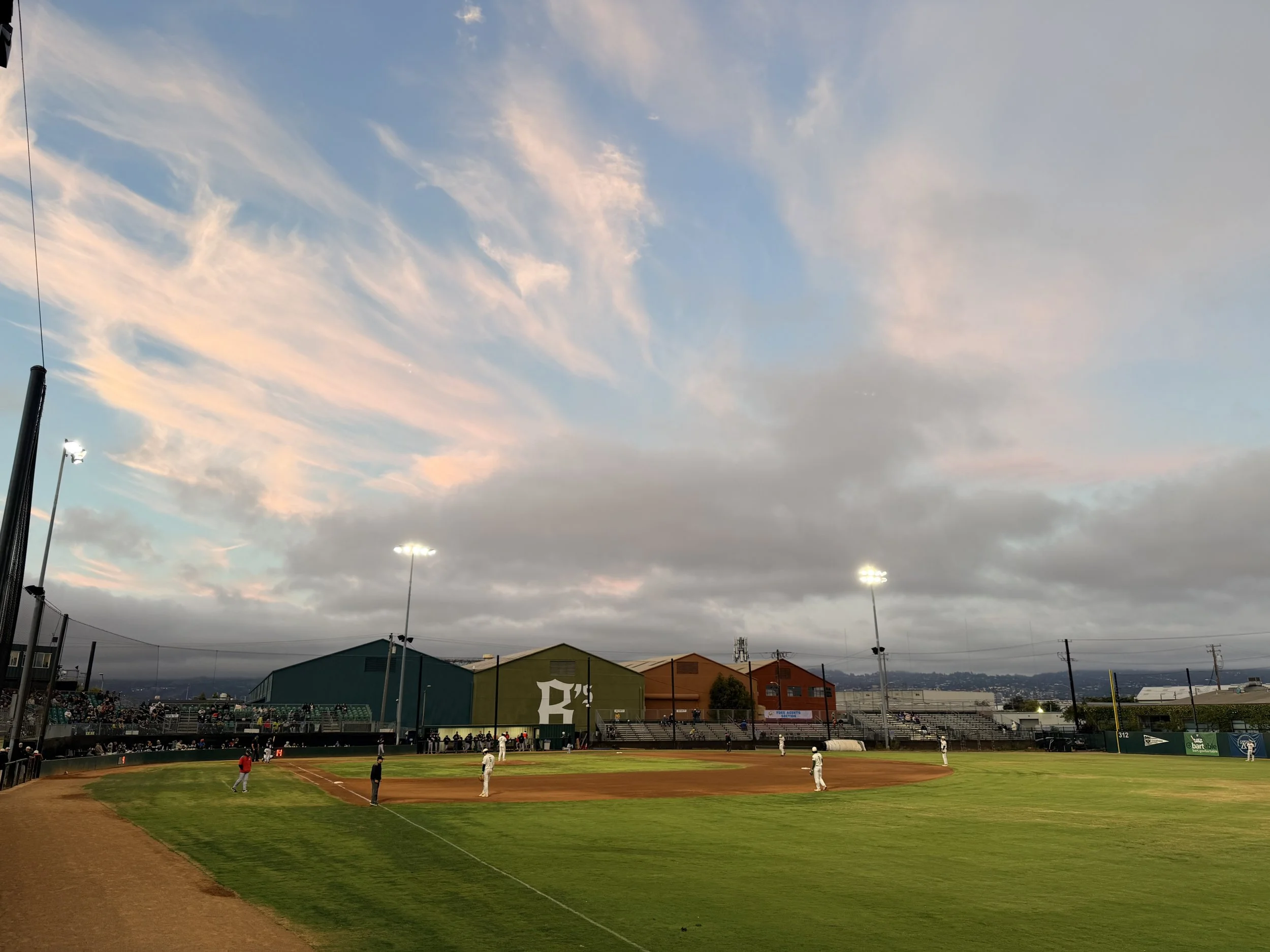
After 75 games, we're in a strange place with this team, most of what's underneath isn't particularly mysterious anymore. We know Oakland can hit, we've watched this lineup score in bunches, Jeter Ybarra has turned a remarkable season into a franchise record chase. We've watched Jake Allgeyer earn Pioneer League Hitter of the Week honors by hitting .438 and slugging .781, and when Allgeyer talked about that stretch Tuesday, he didn't describe some revelation. He described simplicity, seeing the ball, getting into good counts, finding pitches he could handle, and using the whole field. Trying not to do too much—that's the construction underneath the result. The home runs are what we see, the process is what built them. We know plenty of other things too; we know what happens when Oakland's pitching struggles to establish itself. Modesto made sure of that. Three games. Three losses. No mystery there. Modesto throttled Oakland.
But even inside those games, there were things worth looking at. All series, Noah Blythe—outfielder, designated hitter—was called on to pitch in games that had gotten away. He threw looping moonballs in the neighborhood of 45 to 50 miles per hour. The assignment was not complicated—throw strikes, let the defense work and get everybody off the field. Asked afterward what he was trying to accomplish, Blythe essentially reduced pitching to its smallest useful form: Get an out, then get another one. When everything around you becomes complicated, sometimes the answer underneath is remarkably simple.
And sometimes the transparent explanation really is the obvious one—the other team was better, much better. At least for those nights. A great team beats you because it played better baseball, but transparency also doesn't mean certainty. That's the distinction I've been thinking about all week. By Game 75, we know an enormous amount about the Ballers. We know their strengths and we know where the seams are. We know which players can change a game. We know which parts of the roster have been forced to adapt. We know what this club looks like when it's playing confidently. We now have three very recent examples of what it looks like when not a lot works. Most of the construction is out in the open.
And somehow...there's still plenty we don't know, that's the strange part of August PBL baseball. You've played so much ball the tendencies have become characteristics. The scouting reports are thicker. The statistics have enough plate appearances and innings behind them to mean something. Players know each other. Opponents know them too. The mystery isn't really about who you are anymore. Now you’re being asked, what are you going to make with who you've become?
That's much harder.
Not long ago, this team lost seven straight games. Then they turned around and started winning. Eight straight. They stacked victories until a season that had spent long stretches feeling unstable suddenly had momentum again. Then Modesto arrived. Baseball has an incredible ability to make yesterday's certainty look foolish, but that doesn't mean the winning streak was fake. It doesn't mean these three losses reveal some hidden truth that invalidates everything Oakland accomplished before them. Winning can hide problems. Losing can exaggerate them. Both give you information. Neither gives you the future.
This weekend Oakland goes back to Long Beach. There isn't much mystery about the urgency they're taking with them, or who they’re meeting when they get there. Nobody needs to discover the basic character of this team anymore. We're too deep into the season for that, and what's left is more interesting.
I've spent much of this Glove of the Series project trying to uncover things, so there's something refreshing about Mizuno simply putting everything on display. You make your process transparent to reach new goals. We know the B’s so we can see who they become next.
That's the part nobody can manufacture a transparent shell for. The standings alone can't show it. Just the box scores can't show it. Three ugly losses are just three games. Long Beach will tell us something more. The series after that will tell us something else. Eventually the season will end and we'll convince ourselves we understand what all of it meant.
For now, I keep coming back to this strange Mizuno. A company spent decades learning how to build baseball gloves, then made one specifically so the rest of us could see what it had found. Everything underneath is right there.
And somehow...there's still plenty left to learn.
Kyle Robinson is a transplanted Texan with a lifelong passion for the game of baseball. Residing in Oakland with his wife Randi, their daughter India, and a menagerie of pets. When he’s not slyly convincing his wife to name their pets after legendary baseball broadcasters (e.g. our corgi Milo Hamilton Robinson) he is probably balancing parenthood with trying to cram in as much baseball as possible. Whether it’s keeping the dream alive as a weekend warrior behind the dish, or on the sideline as a coach, volunteering, rest assured he has baseball on the brain. Find him on Instagram: @krob452
