

Glove of the Series: Ken Caminiti Player Model
The autograph book, an old glove, a childhood hero, and everything we learn later
by Kyle Robinson
Somewhere in a box—assuming my childhood hasn’t swallowed it completely—is a Walt Disney World autograph book with Ken Caminiti’s signature in it. Mickey Mouse. Donald Duck. Goofy. Minnie. Pluto’s paw print. Ken Caminiti.
Nothing strange about that.
We were on a trip to Disney World, somewhere around 1993, and because the Astros happened to be playing spring training baseball in Kissimmee, we made the drive over to see them. Caminiti signed the same little book I’d been carrying around the parks collecting character autographs in, because of course he did. When you’re a kid, Mickey Mouse and the enormous third baseman from the Houston Astros aren’t occupying different worlds. They’re characters from your favorite show, and you’re excited to see them in the flesh. Ken Caminiti was one of my favorite characters.
That’s why I picked this glove up on a whim when the description had Caminiti in it. Not because it is especially valuable or pristine, and not because I’m trying to assemble a museum of every player I watched growing up. (And not because I like tormenting Oakland baseball fans with a parade of Astros.) I bought it because the moment I saw a loose Ken Caminiti story attached to a baseball glove, I wasn’t thinking about the unanimous NL MVP in 1996. I wasn’t thinking about steroids or addiction battles. I surely wasn’t thinking about how his story ended.
I was thinking about the Astrodome. Astros Buddies. Team autograph sessions. Spring training and this absolutely enormous man who, every time I encountered him as a kid, was about as nice to me as I can remember anyone being. Not to brag, but one of my mom’s very best friends even lived only a few doors down from him for a while later in his career, which made the whole thing stranger when we’d see him in the driveway working on one of his various hot rods.
Ken Caminiti was simultaneously this gigantic professional baseball player I watched from the stands and apparently just some guy who could live down the street from people we knew. Kids are good at accepting a world like that. We adults often have a harder time.
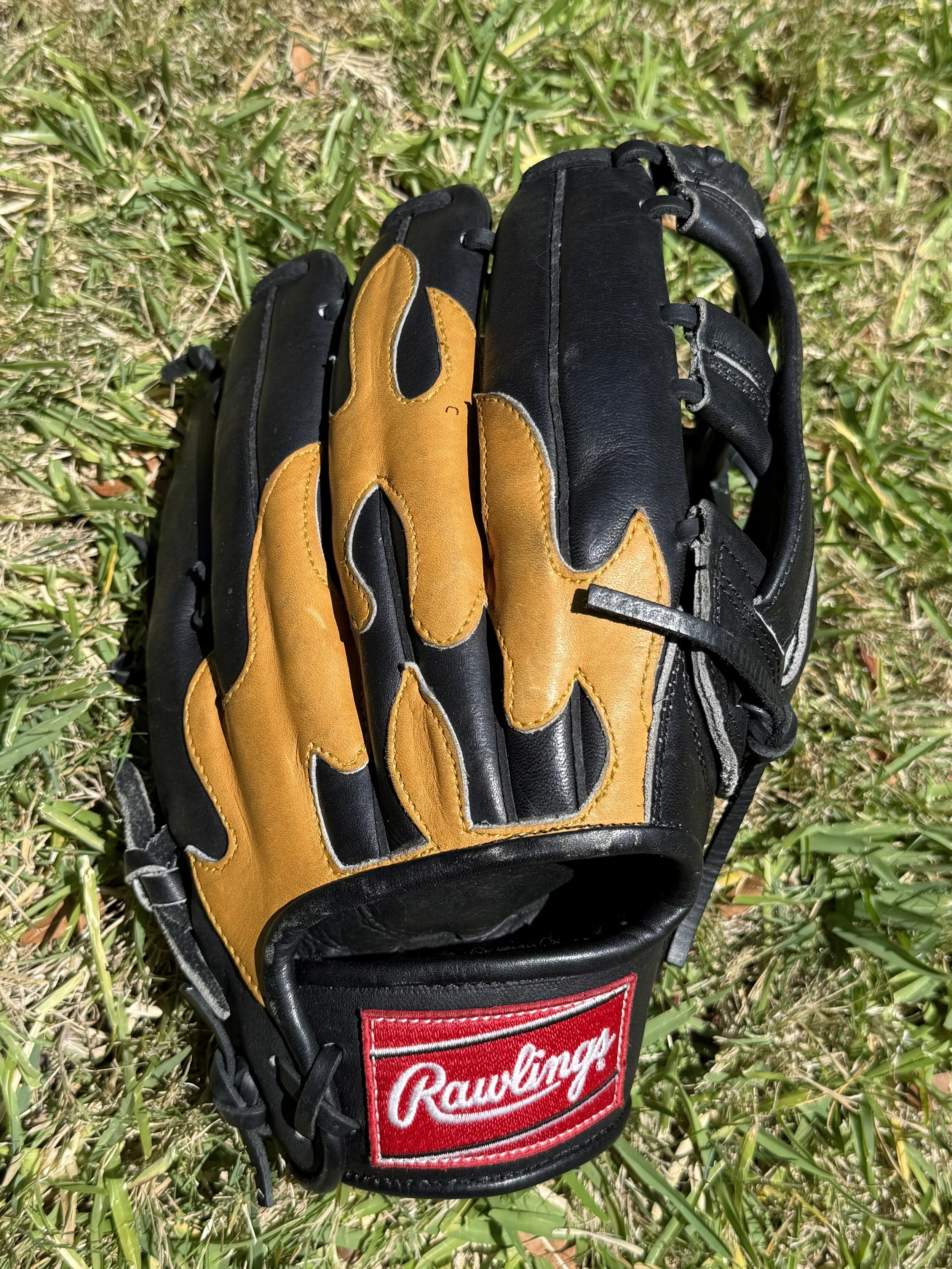
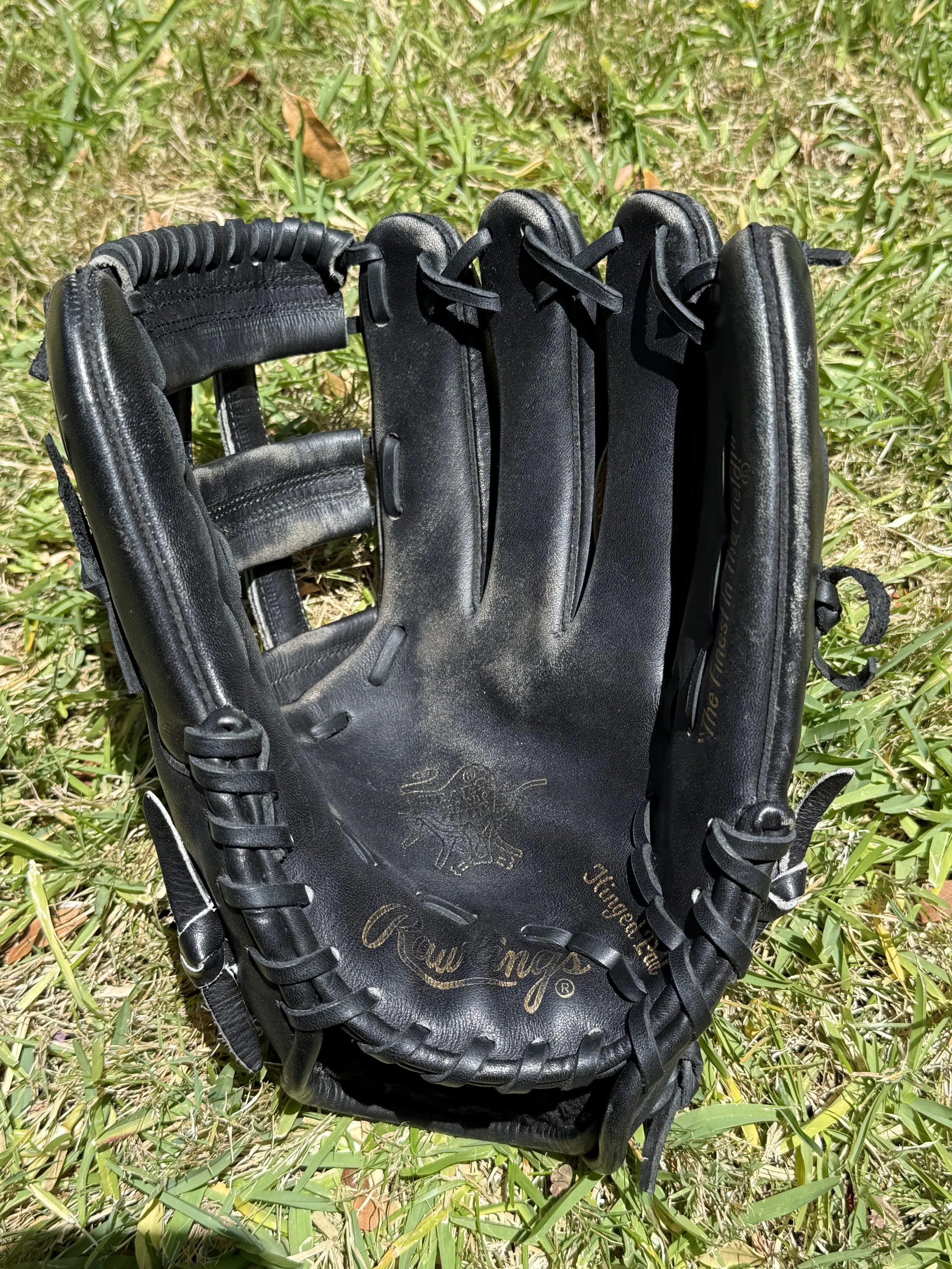
The glove itself deserves some care here because, like memory, it’s easy to make it into something it isn’t. This is a Japanese-market rubber-ball glove made in the visual language of the Caminiti player models of the era. I haven’t found enough period documentation to tell you this is an exact reproduction of a particular Caminiti major-league gamer, so I’m not going to.
What we can establish from photographs is simpler: Caminiti used Rawlings gloves during important portions of his career. The precise relationship between the gloves he actually carried onto major-league fields and the Caminiti-associated models Rawlings sold to the public is harder to document cleanly decades later. This Japanese glove belongs to that second world: the world of the player model. The gloves a kid could put on and, for a moment, imagine belonged to the same baseball universe as the guy playing third base on television. And this one certainly looks the part.
Across the back is that wonderfully aggressive leather treatment that looks almost like flames. Subtle, right? It looks like something designed during an era when baseball equipment wasn’t afraid to tell you exactly whose attitude it was trying to borrow, and if you watched Caminiti play third base, that somehow feels appropriate.
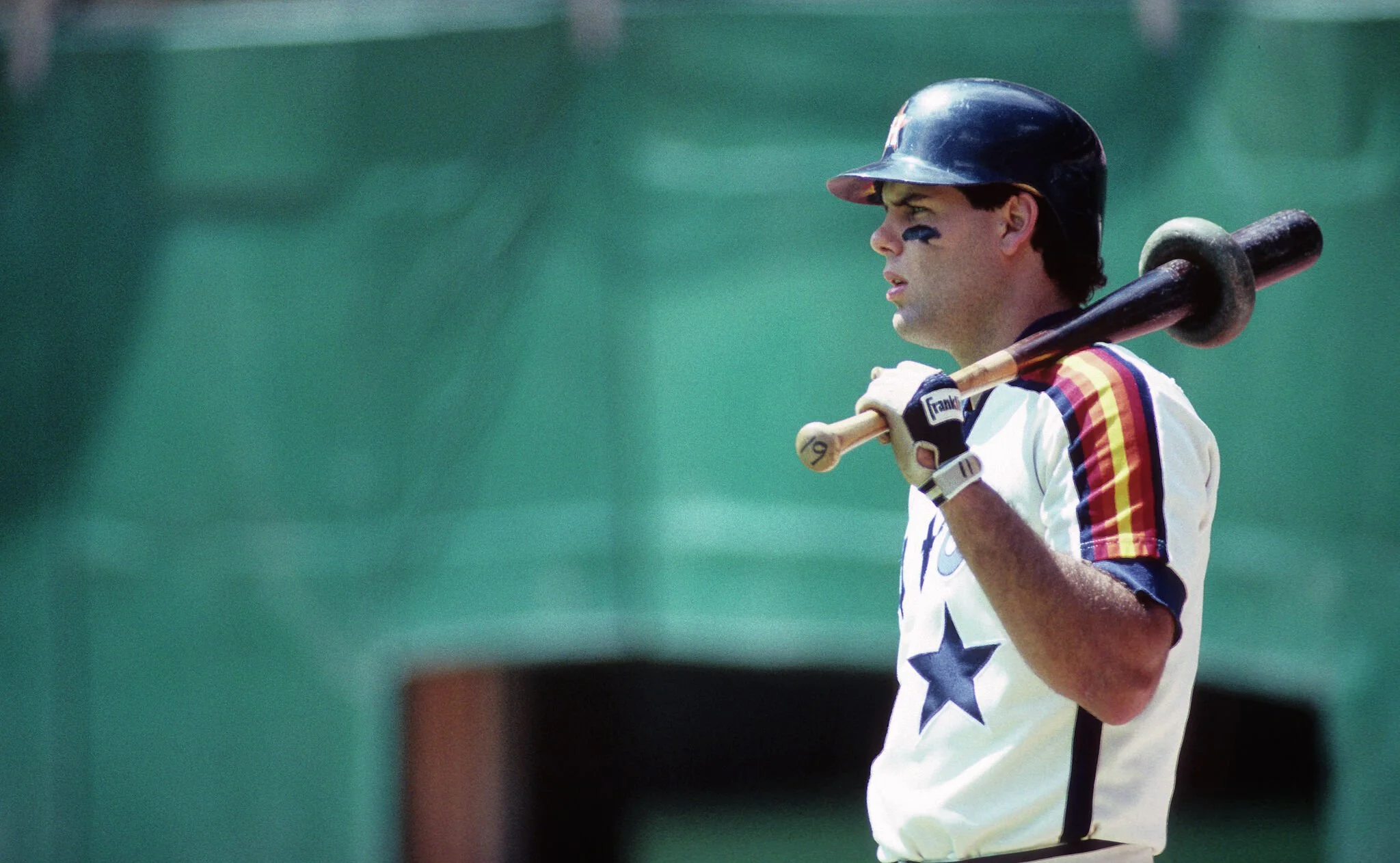
Before everything else became inseparable from his name, Ken Caminiti was a hell of a baseball player.
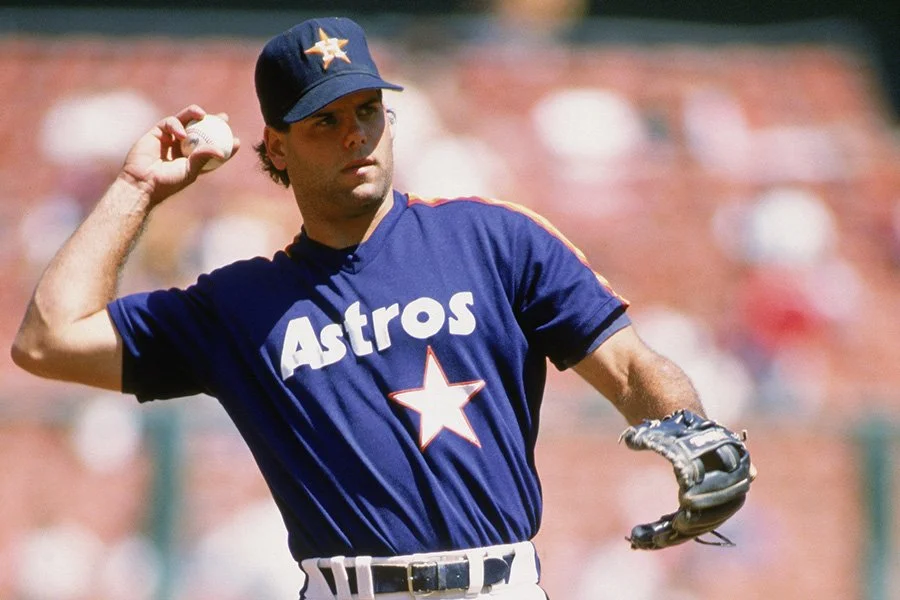
He debuted with Houston in 1987 and spent ten seasons as an Astro across two different stints, first from 1987 through 1994 and then again in 1999 and 2000. He was a switch hitter, a three-time All-Star, a three-time Gold Glove winner, and he had one of those arms from third base that can only be referenced as a near-literal cannon. There was something violent about the way Caminiti played third—not reckless, exactly, but forceful. Ground balls weren’t simply fielded. Throws weren’t merely made. They were dominated. There was an intensity to everything.
Then he left Houston. And because he was one of my guys, I kept watching. That’s what kids do when a favorite player changes uniforms. The uniform changes before the allegiance does, and in San Diego, Caminiti became something even bigger.
He won three consecutive Gold Gloves from 1995 through 1997, then hit 40 home runs, drove in 130 runs, batted .326, and was unanimously named the 1996 National League MVP. For a kid who had watched him in Houston, there was something satisfying about seeing everybody else discover what we already thought we knew: Ken Caminiti was great.
Eventually, he came back to Houston, and for a little while, was one of the guys from my childhood wearing the right name across his chest.
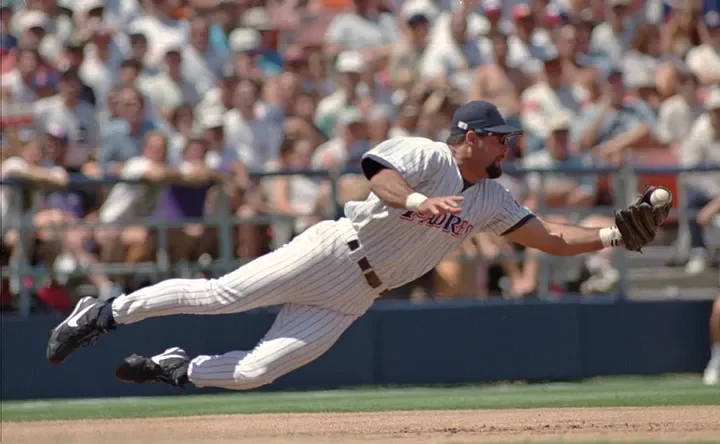
Of course, childhood doesn’t get the final draft. You grow up, you learn more, and sometimes the baseball players foil-wrapped in your memories become much more complicated than the people on the cards. Caminiti struggled profoundly with substance abuse, used performance-enhancing drugs, and after his playing career ended, he did something almost unheard of.
He talked about it.
In 2002, Caminiti told Sports Illustrated that he had used steroids during his 1996 MVP season and continued using them afterward. His admission became one of the defining moments in baseball’s emerging confrontation with performance-enhancing drugs.
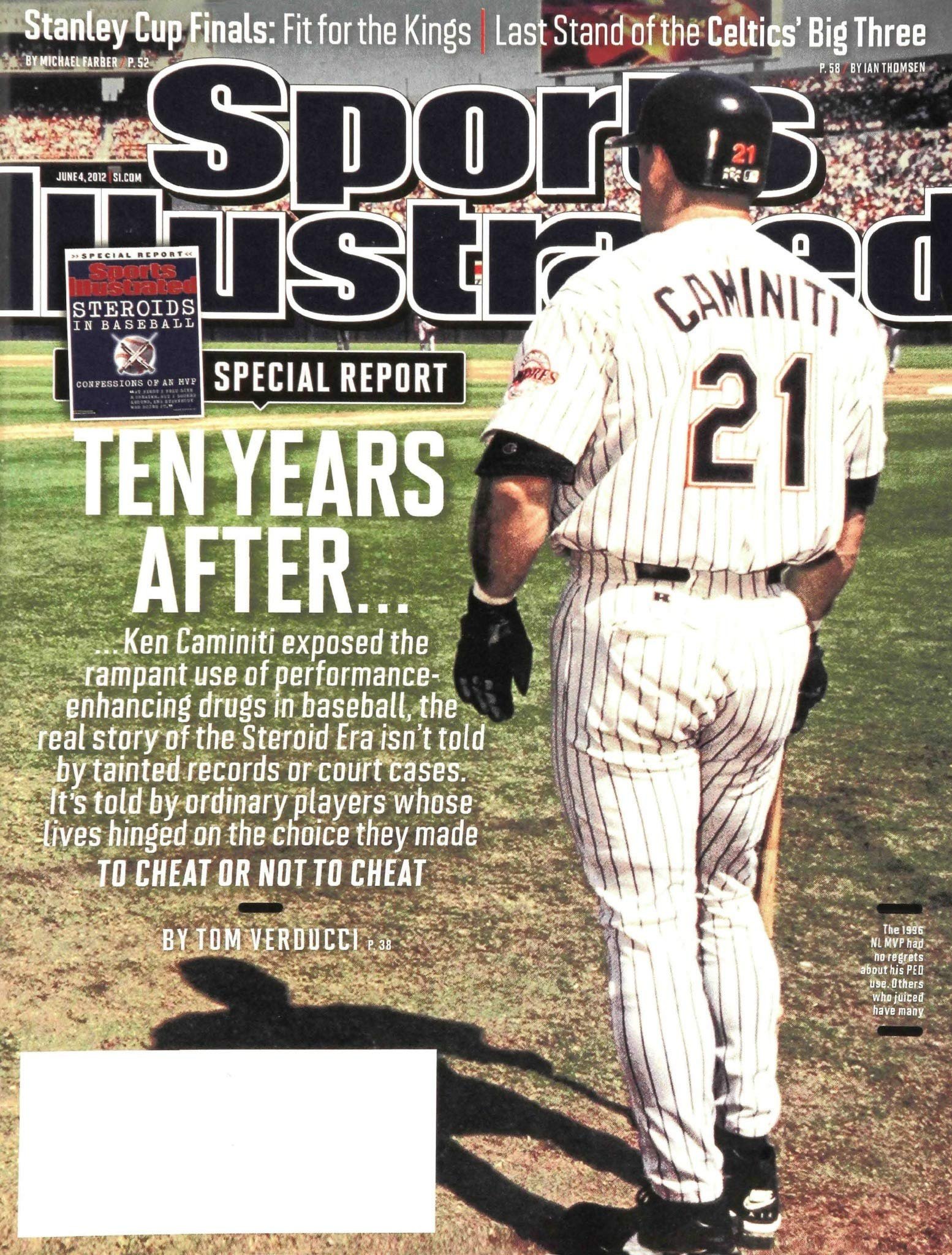
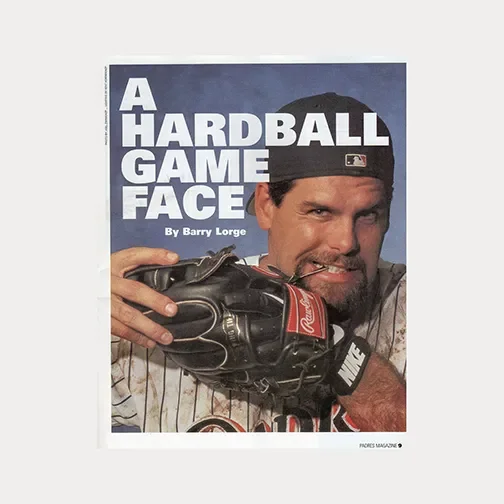
That matters. It has to. So do the drugs, the alcohol, the pain, and the attempts at recovery and eventually his death in 2004, at only 41 years old.
I didn’t know any of that when he signed my autograph book. The rest of the world didn’t. He, too, didn’t know how things would turn out.
The part I’ve struggled with is why do we believe that learning the rest of someone’s story requires us to rewrite—or erase—the beginning?
The man who used steroids and struggled with addiction existed, just as the three-time Gold Glover and unanimous MVP existed. The man whose life ended far too young existed and the enormous guy who repeatedly took the time to be kind to some Astros-obsessed kids existed too. That doesn’t give me special insight into Ken Caminiti; I didn’t know him by any means. A few interactions with a professional athlete when you’re a child aren’t a character study, but they are memories, real and foundational memories, and learning everything that came afterward doesn’t require me to pretend they weren’t. This old glove doesn’t demand that I reach a verdict on Ken Caminiti. It just brings him back a little bit. All of him.
One other memory for you.
I vividly remember going to a Beaumont Bullfrogs game with my dad and grandfather because we were going to meet Charlie Kerfeld.
I had a Charlie Kerfeld baseball card and a ballpoint pen—not a Sharpie, but the tool of serious childhood autograph collecting. There was only one problem, I had never seen Charlie Kerfeld pitch. I had just learned who Charlie Kerfeld was, and bless him, but the man standing on the field didn’t look much like the Houston Astros pitcher frozen on the baseball card in my hand. By then, Kerfeld had gone from pitching in the major leagues to coaching the Beaumont Bullfrogs. A few years had passed. He looked different. None of that mattered.
My dad and grandfather had told me this guy had played. Played. There was something magical about that word. He had stood on a major-league mound, had worn an Astros uniform, had a baseball card. That was enough. I didn’t need to have seen it myself; somebody I trusted remembered it for me.
I think about Kerfeld and Caminiti when I’m standing at Raimondi Park on certain nights. Because somewhere along the way, I crossed the rail. I’m not the kid holding the baseball card anymore. I’m one of the adults telling another kid: You should remember this guy.
One of my favorite things about covering the Ballers has very little to do with the baseball we’re supposedly there to cover. It’s watching kids around professional baseball players. I’ve watched them hang over the rail. I’ve watched B’s players stop and sign things—and they always stop and they always sign. I’ve watched kids wait patiently for someone they recognize to walk past. I’ve watched a young fan borrow a glove and play catch with his dad beside the stands while the game continued only a few feet away. Jaden Collura played catch with young fans during an inning break in late July.
Those kids aren’t thinking about service time, and they don’t care about roster construction. They’re not projecting future value. They don’t know which player will still be in Oakland next summer. But they have a favorite player in whom they see themselves or the magic of baseball; the player has arrived at the perfect moment in one young life or many when dreaming and believing is easier than breathing.
Around Oakland right now there are kids whose favorite baseball player—ever, for all time, unerasable—is on this Ballers team, walking into Raimondi tonight. Maybe that player hit a home run. Struck out the side. Maybe he tossed the kid a baseball. Maybe he signed something. Maybe he simply looked over and said hello. There’s no way to know which parts will matter most.
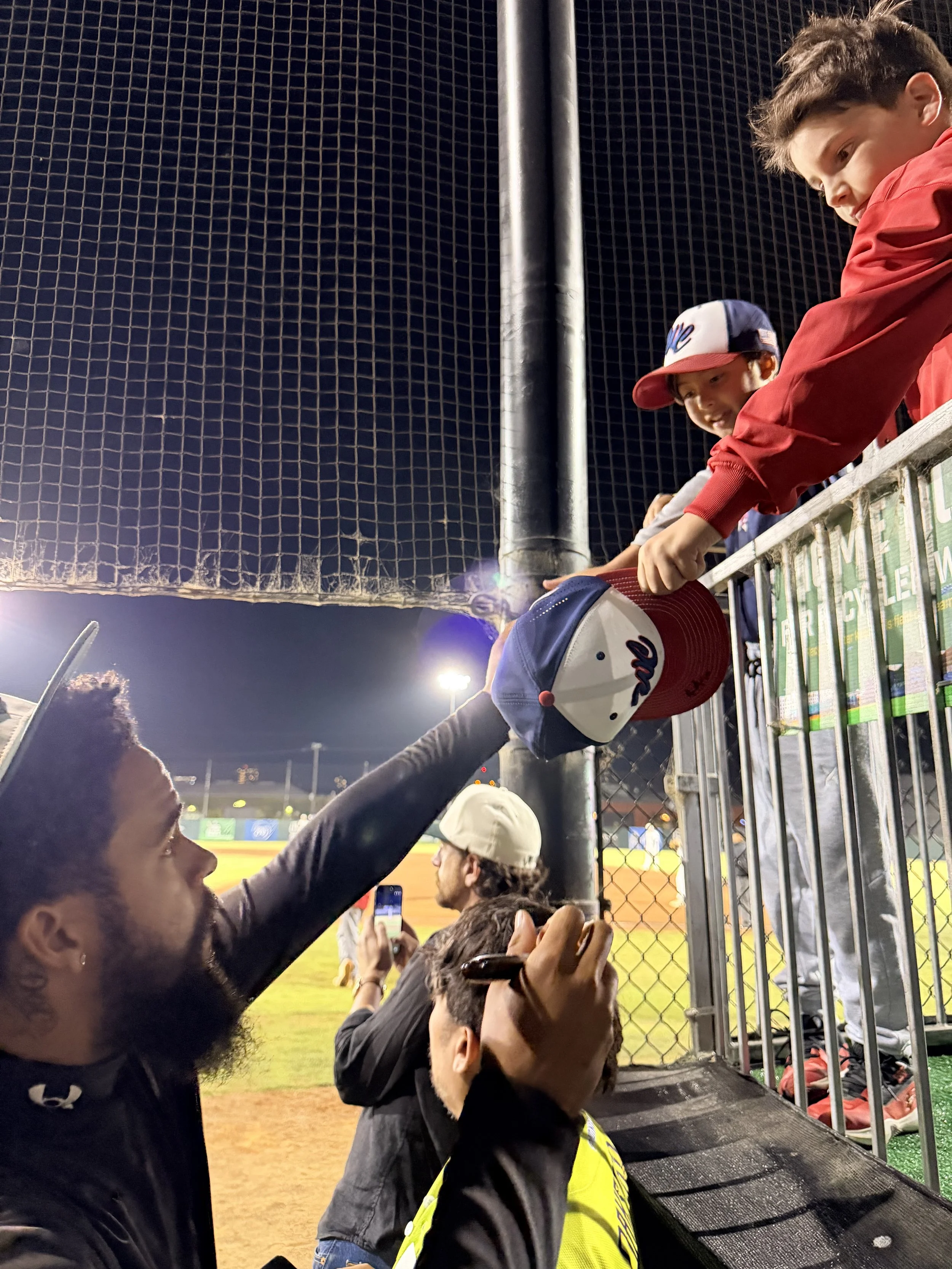
I know, at least, what I remember. I know much more about Ken Caminiti today than I did when he signed that autograph book. Some of it I wish he’d never had to live through. Some of it makes his baseball accomplishments harder to understand. Some of it is just sad.
But somewhere between Mickey Mouse and Donald Duck is the signature of a gigantic third baseman who took a moment to be kind to a kid.
Kyle Robinson is a transplanted Texan with a lifelong passion for the game of baseball. Residing in Oakland with his wife Randi, their daughter India, and a menagerie of pets. When he’s not slyly convincing his wife to name their pets after legendary baseball broadcasters (e.g. our corgi Milo Hamilton Robinson) he is probably balancing parenthood with trying to cram in as much baseball as possible. Whether it’s keeping the dream alive as a weekend warrior behind the dish, or on the sideline as a coach, volunteering, rest assured he has baseball on the brain. Find him on Instagram: @krob452
