

Glove of the Series: Rawlings Hyper Tech
An Ambidextrous Glove, the Oakland Blazers, and the Baseball Why-Nots?
by Kyle Robinson
There are easier questions in baseball than why not? Most of them are cleaner, too.
The whys with clear answers: Who’s starting tonight? Who’s available out of the bullpen? Who gets the first crack at a lefty? Who takes the extra round of batting practice? Who needs a day? Who has the hot hand? Who has earned one more chance? Those questions belong to baseball’s daily machinery. They’re practical, necessary, familiar.
Why not? is different.
It’s the question that makes baseball uncomfortable before it makes the game better. It’s the question that turns a pitcher into an experiment, a glove into a puzzle, and sometimes, a night at the ballpark into something people didn’t know they were allowed to imagine. Can the Oakland Ballers become the Oakland Blazers, for one night or more, and does cannabis have a place around one of America’s most traditional pastimes?
That thought brought me back to one of the strangest gloves in the baseball world. Not a right-handed glove, not a left-handed glove, not a glove that chooses a side and stays there. A six-fingered, double-thumbed, ambidextrous Rawlings Hyper Tech R2G, built for Japanese rubber-ball baseball and designed for the rare player who looks at one of baseball’s oldest assumptions and asks…Why not both?
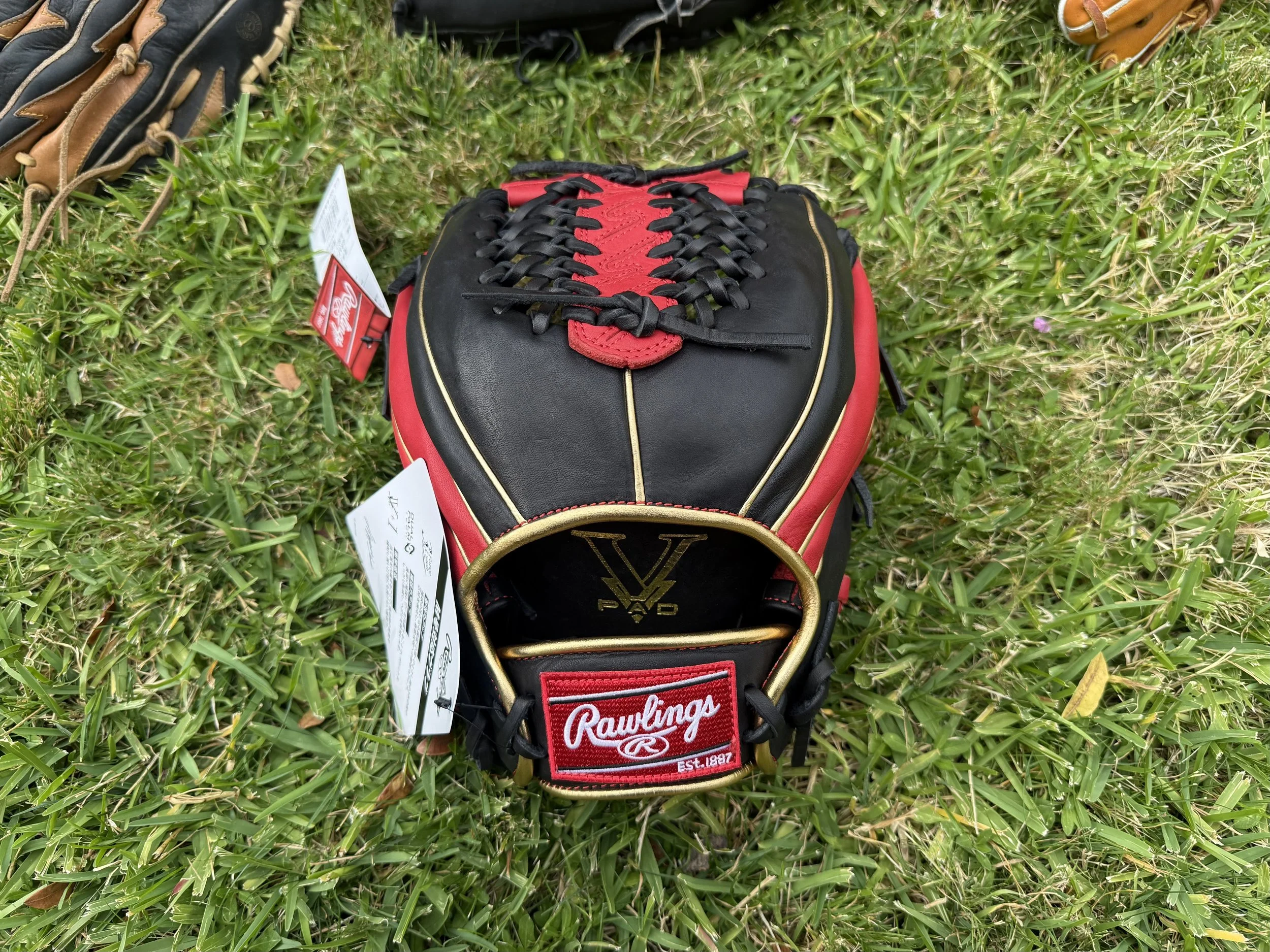
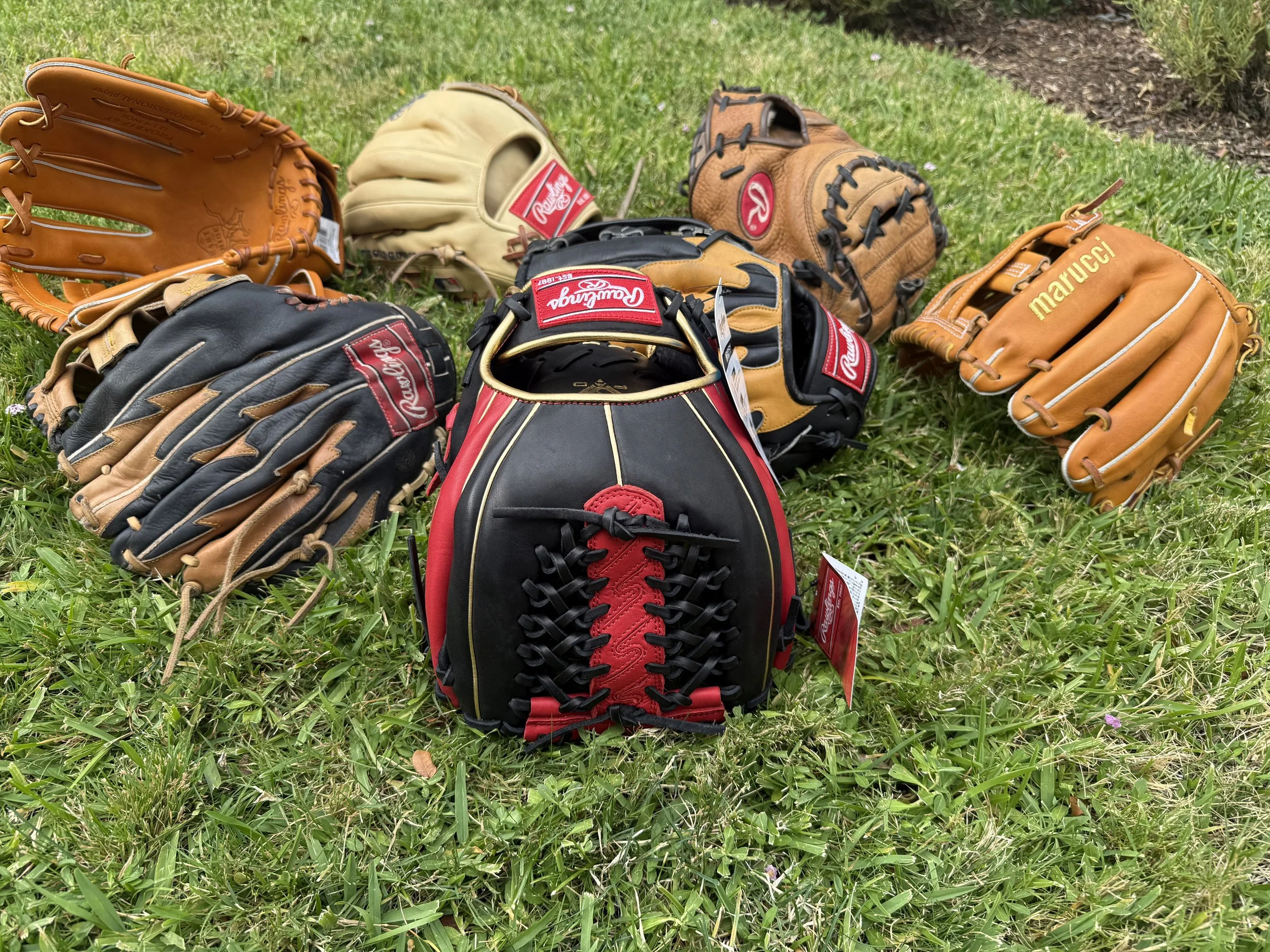
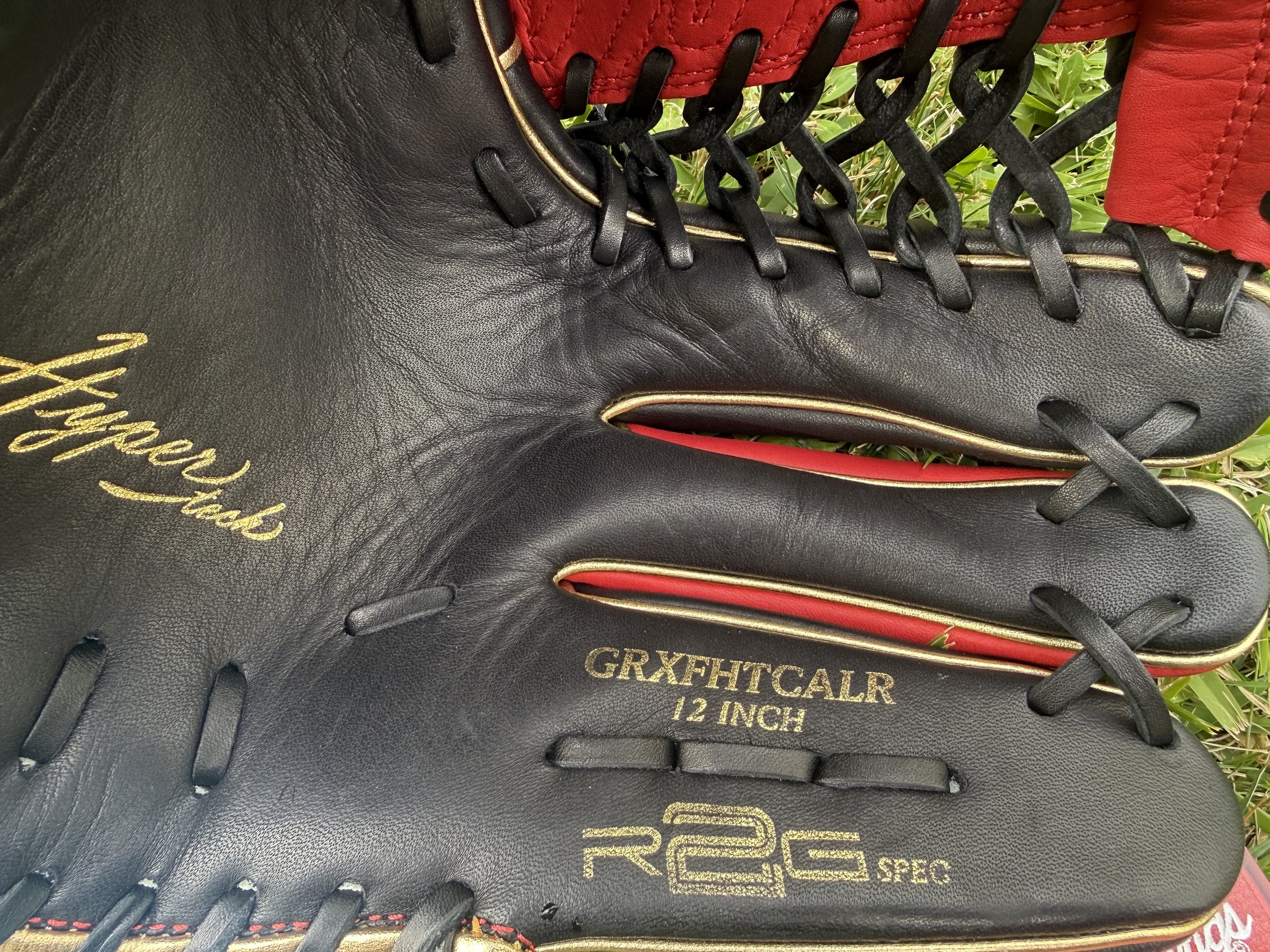
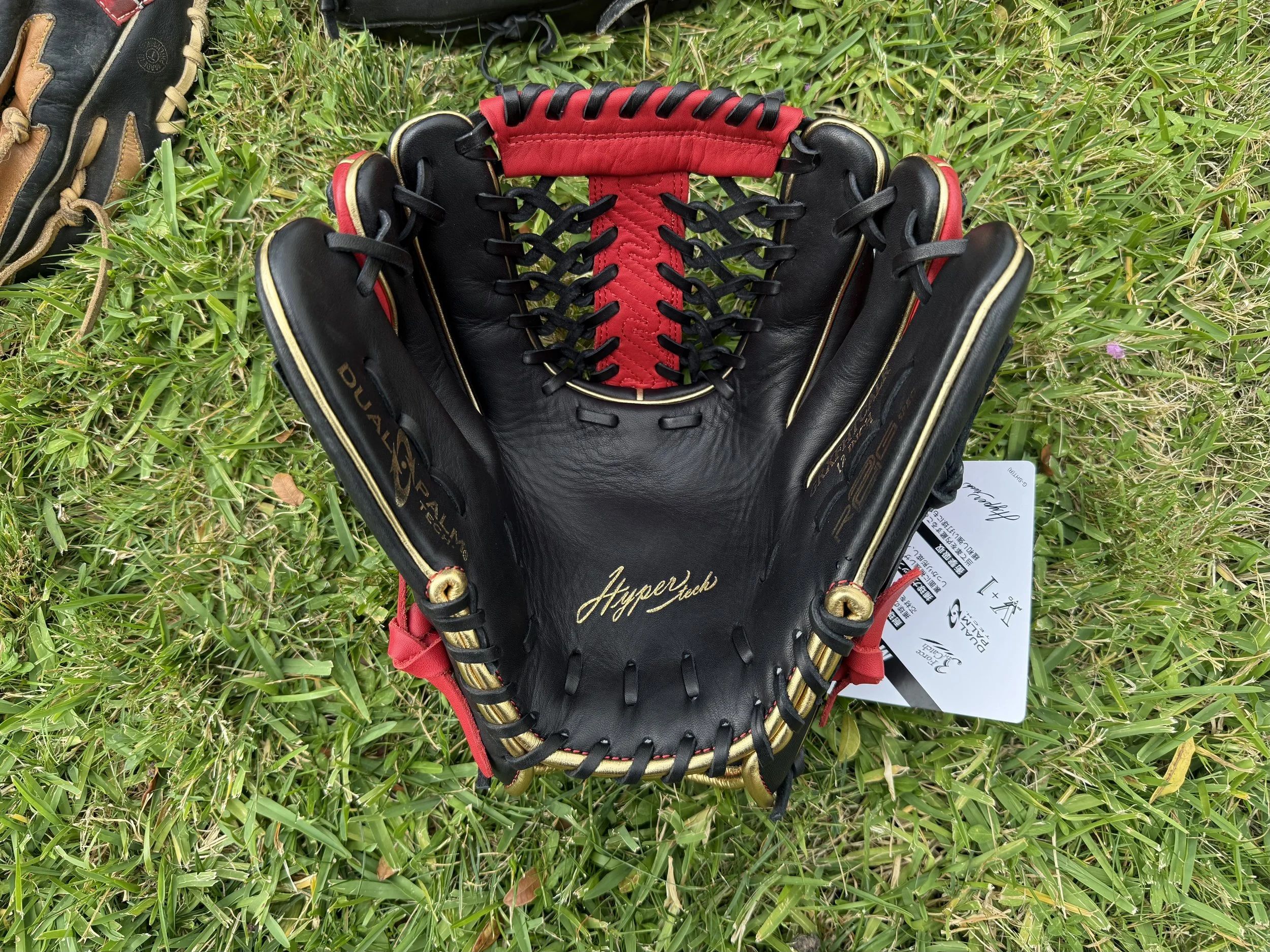
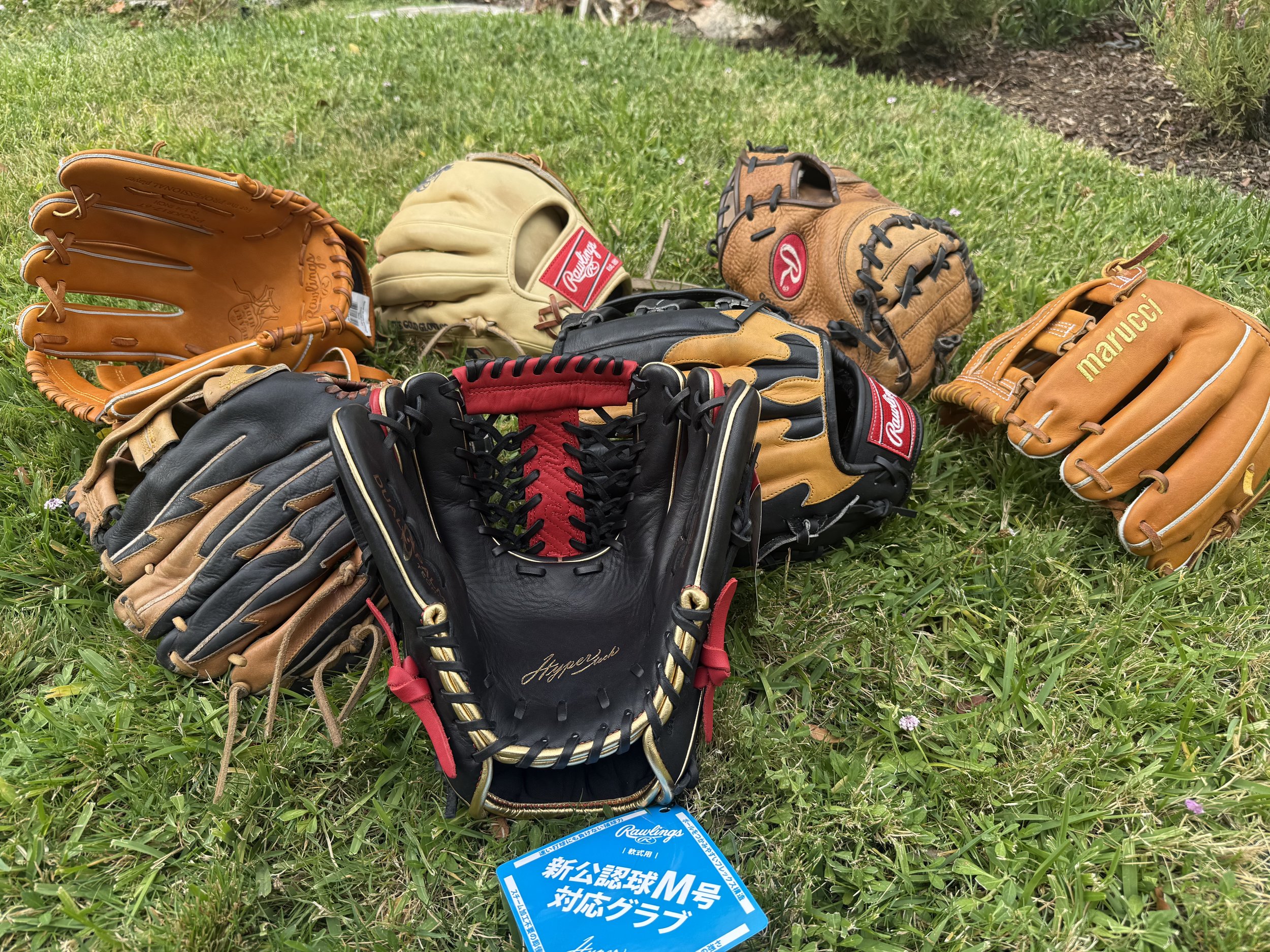
Baseball gloves usually tell you what they are before you ever put your hand inside one. Left hand throw, right hand throw, then position.
A first baseman’s mitt has its own shape, broad and scooping, built to receive throws arriving from every angle. A catcher’s mitt looks like a tool designed by someone who understands pain. An outfielder’s glove gives you reach. A middle infielder’s glove gives you speed. A pitcher’s glove tries to hide the baseball just long enough to protect the most essential secrets in the game: what’s coming next.
An ambidextrous glove tries to do something else entirely—it tries to keep the possibilities open.
While catching up with a longtime friend recently, he told me his son was an ambidextrous baseball player. I remember smiling and thinking it sounded like one of those wonderful Little League stories that probably couldn’t survive beyond childhood.
But then I remembered Pat Venditte, who reached the major leagues. Aside from Greg Harris switching around to throw lefty to two batters one game prior to his retirement, Venditte was the only switch pitcher in MLB history and, somehow, it felt perfectly fitting that his opportunity came with the Oakland Athletics. Yes…that organization. The one that shall not be named without a spit or a shout around Raimondi Park.
Looking back, it almost feels inevitable. If there was one organization willing to ask, “Why not?” it was Oakland. The Athletics had spent decades finding value where other clubs saw risk. Rickey Henderson wasn’t conventional. Moneyball wasn’t conventional. Having a switch pitcher like Venditte certainly wasn’t conventional. Instead of asking why an ambidextrous pitcher existed, Oakland asked a better question, and one that made its Town proud. It wasn’t about who he was but what he could do and how he could help. That is: can he get outs? The answer was yes.
Eventually, Major League Baseball had to create an entirely new rule explaining how a switch-pitcher and switch-hitter would face one another. Think about that for a second—one player’s ability challenged baseball’s assumptions so completely that the rulebook had to catch up. That’s what I love about this glove. It isn’t trying to be different for the sake of being different, it’s trying to solve a problem and meet players where they are.
The first time I slipped my hand inside, it felt surprisingly…normal? Not elegant in the way a perfectly broken in Heart of the Hide is elegant or sentimental like a childhood glove. Just kind of logical. The kind of glove that makes you wonder why nobody built it sooner; it doesn’t free you from choosing, but it refuses to make the choice for you.
Watching the Ballers over the last week, I kept realizing they’re living that same process. Tuesday they gave up twenty runs. Wednesday they answered with a 9-4 win. Thursday they gave up ten. Independent baseball doesn’t have the luxury of becoming comfortable. In fact, it often rewards people willing to adapt.
One of my favorite moments this week actually came after the Wednesday game when Ballers’ catcher Conner Smith was asked about playing with the Automated Balls and Strikes system that calls every pitch up in Yuba. His answer surprised me a bit; he said he appreciated that baseball was trying something new. Then, almost immediately, he added that he didn’t want to lose framing completely. Maybe, he admitted with a smile, he was a little biased. He’s a catcher after all.
I love that answer. Not because it chose a side, but because it didn’t. Innovation mattered, and craft mattered too. That balance feels like baseball. And it feels like Oakland.
That’s really what Friday night is about. Not just cannabis or new uniforms. Not publicity for its own sake. The Oaksterdam Blazers began as an April Fool’s joke, and most organizations would’ve left it there.
The Ballers aren't most organizations.
People laughed. People loved it. People wanted it. So they asked…why not?
That doesn’t strike me as gimmicky—it strikes me as incredibly Oakland. Its teams have spent decades asking questions that make baseball people uncomfortable. The Town’s bigger culture and character are all about appreciating and embracing the different and diverse. Why not celebrate Oakland exactly as it is instead of pretending it should look like somewhere else?
The ambidextrous glove only works because someone obsessed over every detail. The extra thumb. The mirrored finger stalls. The balance. The Ballers only work because people obsess over details too. Finding players. Dragging the infield. Selling tickets. Building trust. Giving people a reason to come back. Never being satisfied just with what worked yesterday. The B’s will take the field this weekend wearing uniforms that probably shouldn’t exist. Some people will love them, some won’t. That has never really been the point, the point is that somebody had the courage to ask.
So a kid will walk through the gates at Raimondi Park wearing an Oaksterdam Blazers hat. Another kid might someday pick up an ambidextrous glove because nobody told him he couldn’t. Neither one knows exactly what baseball is supposed to look like and that, too, is the point, because the future of this game has always belonged to the people who haven’t yet learned all the reasons something can’t be done.
Kyle Robinson is a transplanted Texan with a lifelong passion for the game of baseball. Residing in Oakland with his wife Randi, their daughter India, and a menagerie of pets. When he’s not slyly convincing his wife to name their pets after legendary baseball broadcasters (e.g. our corgi Milo Hamilton Robinson) he is probably balancing parenthood with trying to cram in as much baseball as possible. Whether it’s keeping the dream alive as a weekend warrior behind the dish, or on the sideline as a coach, volunteering, rest assured he has baseball on the brain. Find him on Instagram: @krob452
