

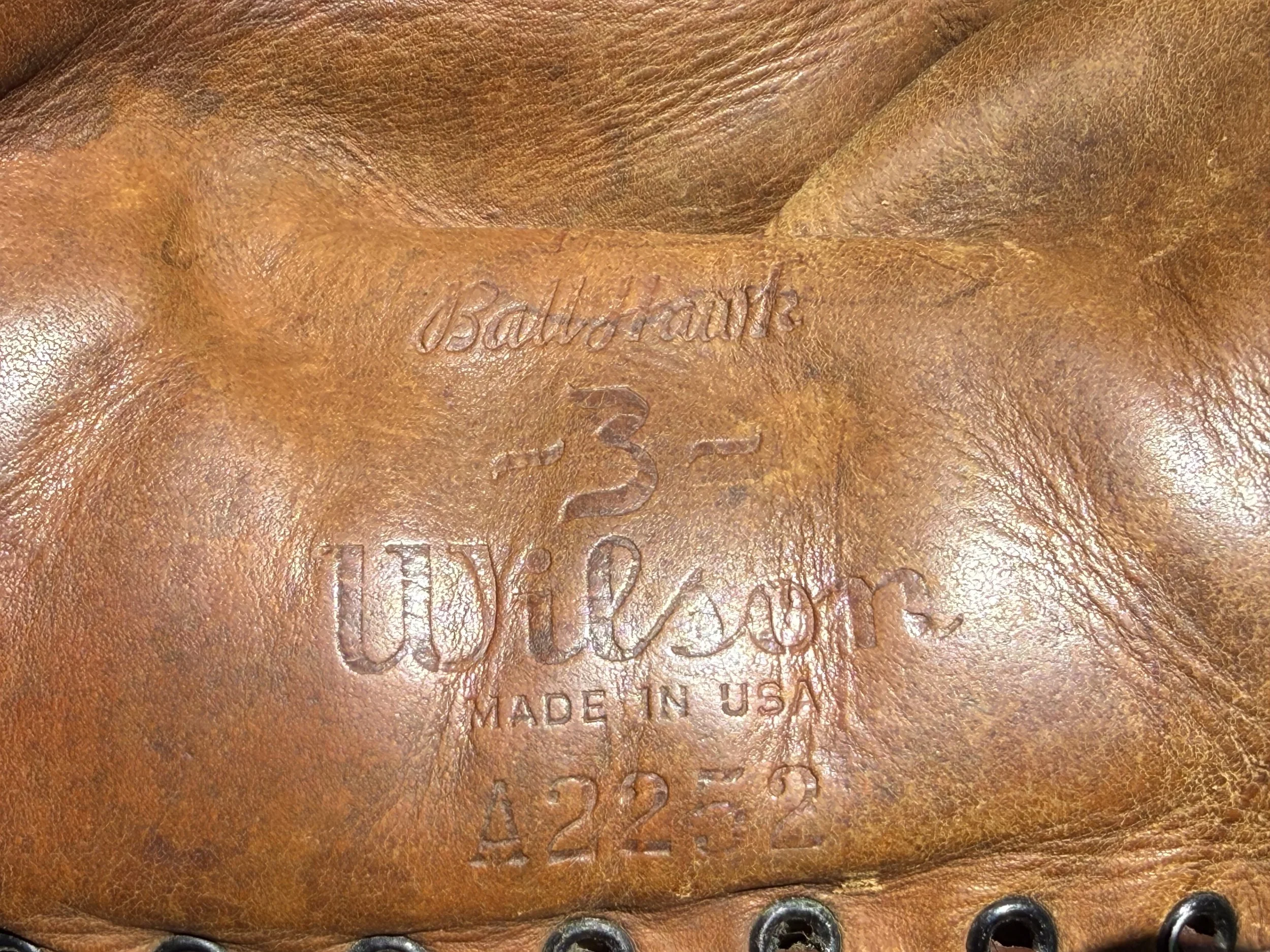
Glove of the Series: Wilson Ball Hawk A2252
Before Baseball Made Up Its Mind
by Kyle Robinson
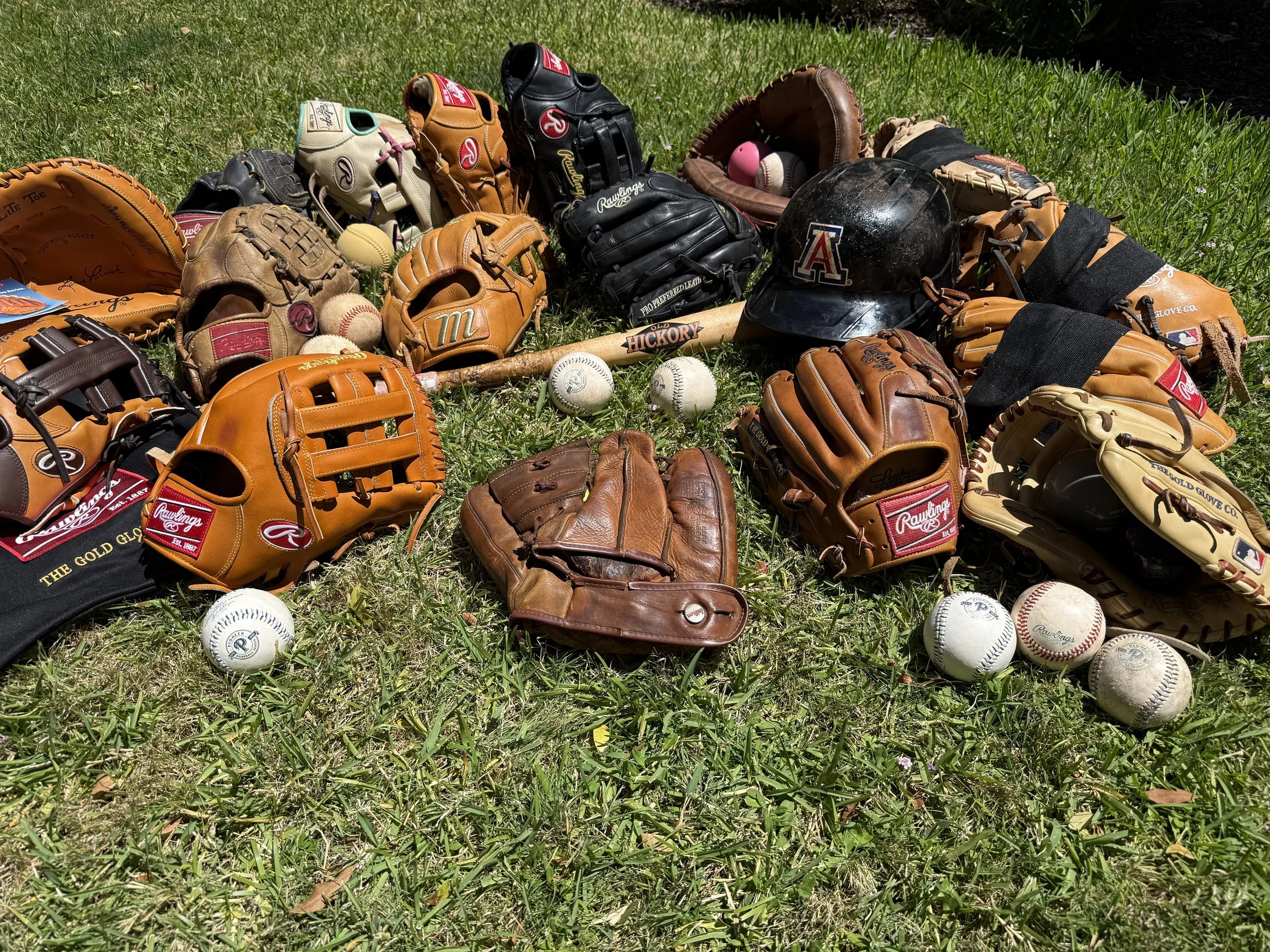
There are plenty of baseball gloves that tell you exactly what they are. A first baseman’s mitt is unmistakable, a catcher’s mitt leaves little room for debate, an infielder’s glove feels quick before you ever take the first ground ball.
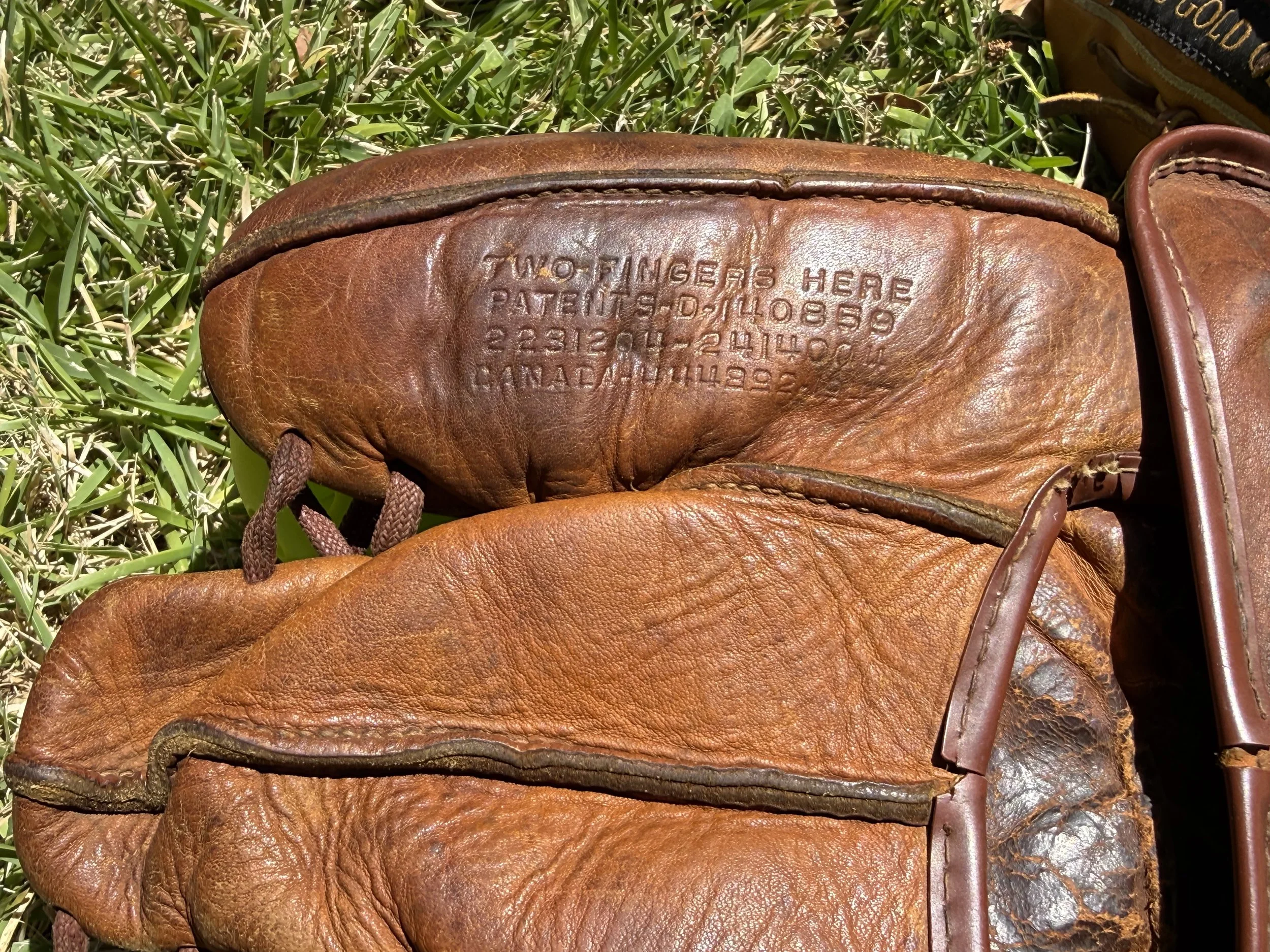
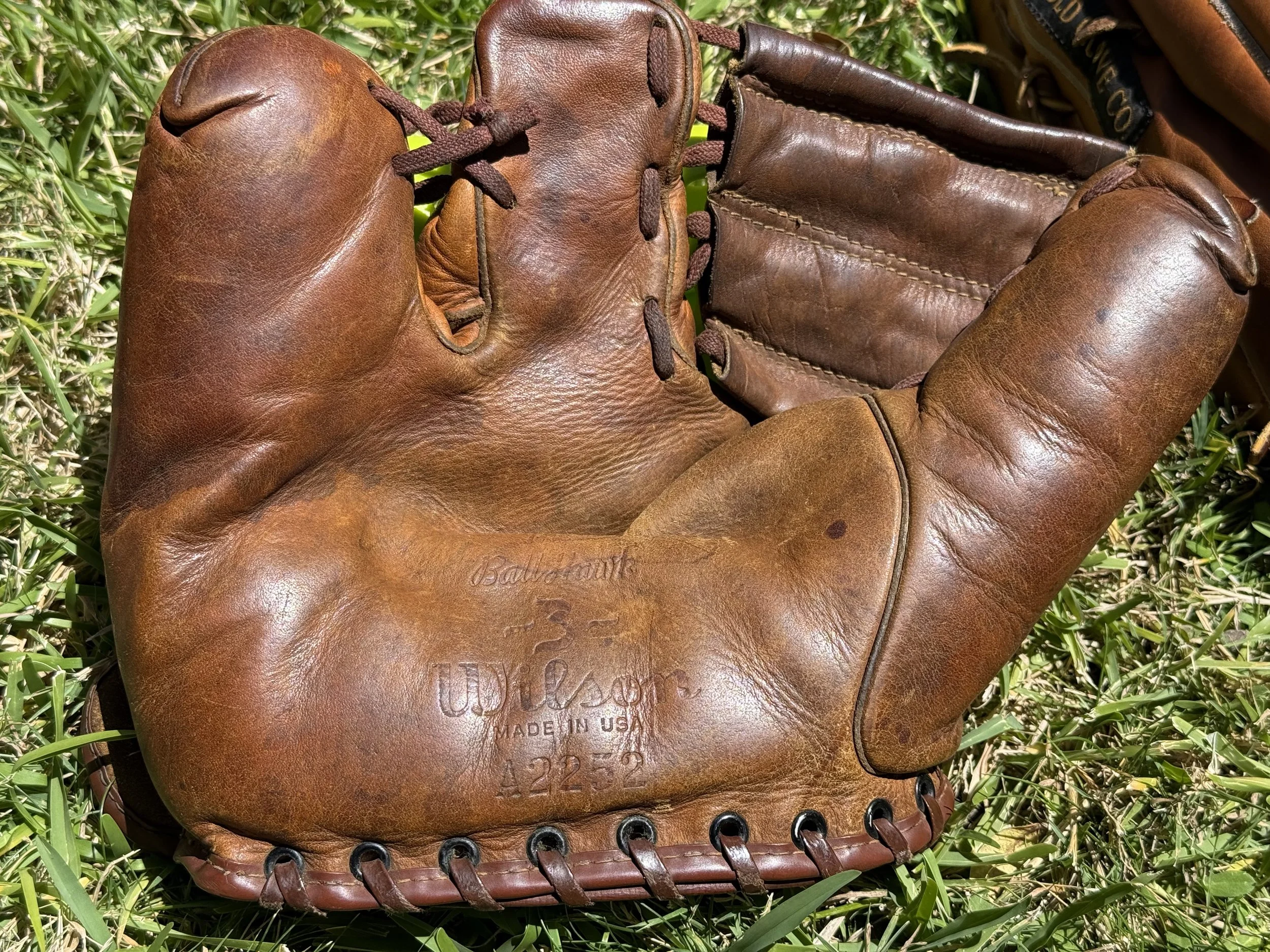
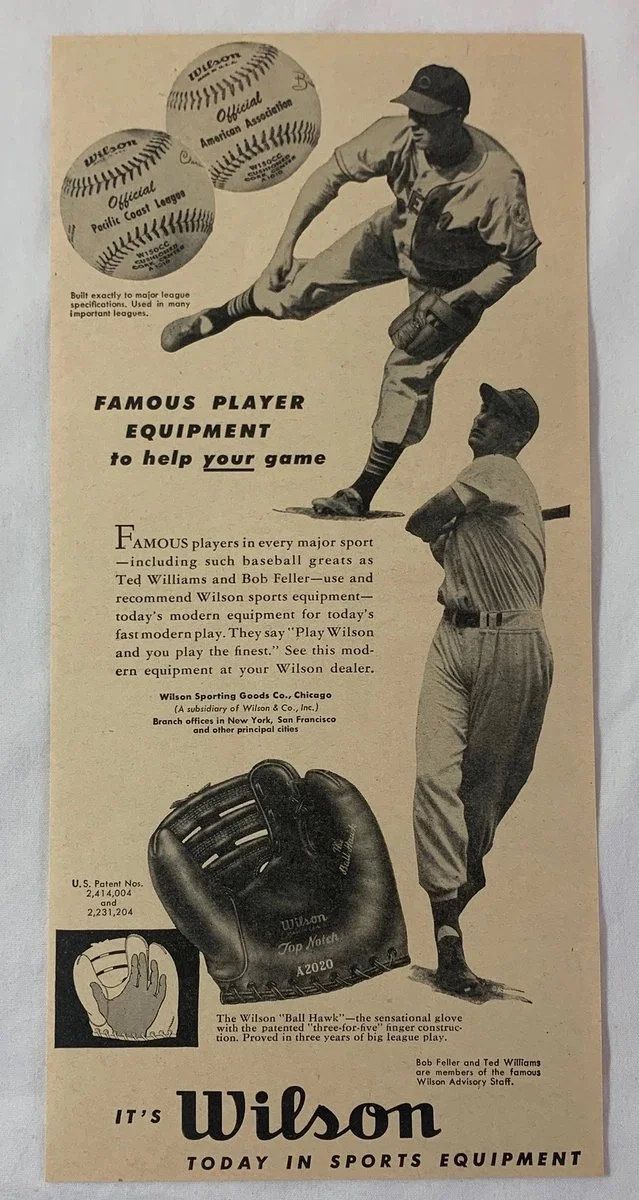
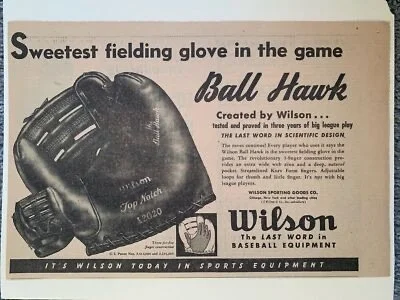
Then there are gloves that make you stop. This old Wilson Ball Hawk did that to me. The first thing you’ll notice isn’t the leather or the pocket. It’s the fingers, or maybe more accurately…the lack of them. Turn the glove over and you’ll see something no modern ballplayer would expect: Two Fingers Here.
Imagine buying a glove today that first had to teach you how to put your hand inside it. That’s exactly what Wilson was asking players to do in the years immediately following World War II. It was one of baseball’s earliest serious attempts to rethink how a glove should work. This wasn’t a manufacturing mistake or a gimmick. It was one of the boldest attempts to answer a baseball question that hadn’t yet been settled.
How should a glove actually catch a baseball?
⸻
Today, baseball players love to modify their gloves and have their own ideas how they should be worn. (Baseball players have a lot of time on their hands to think about their hands.) You’ll see players wearing two fingers in the pinky, sliding their index finger outside the glove, shifting fingers into different stalls, and breaking in gloves to match exactly how they want them to close. Watch enough baseball and you’ll realize very few players wear their glove exactly the way it left the factory.
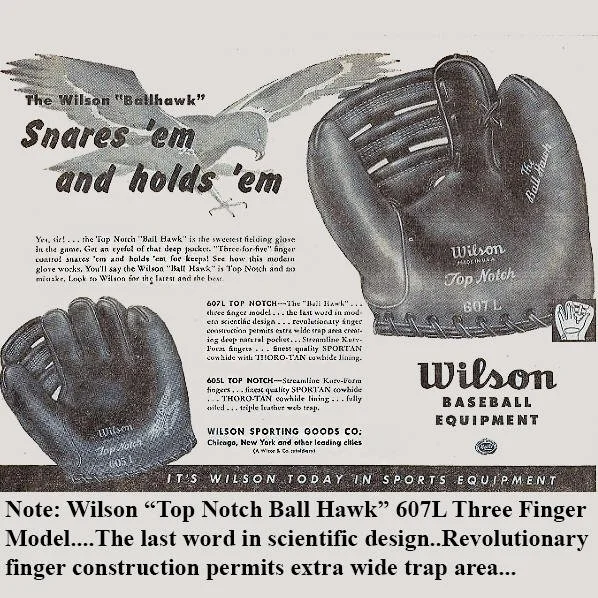
Most people think those ideas are modern, but long before the “finger-shift” or “two in the pinky” became the next baseball’s latest and greatest trend, Wilson was already asking players to rethink where their fingers belonged inside the glove. This Ball Hawk grouped four fingers into two broader stalls, allowing stronger fingers to help weaker ones close the glove while creating a deeper, more natural pocket. The exact solution didn’t survive, but the curiosity and creativity did.
The model itself likely belongs to the late-1940s or early-1950s, but the idea behind it reaches back to Wilson’s immediate postwar design experiments. Archibald J. Turner filed the patent in 1945, and it was granted in 1947. The patent describes a glove designed to reduce resistance when closing, even using the force of the caught baseball itself to help pull the glove shut. Wilson wasn’t redesigning leather; they were redesigning the human hand for the diamond.
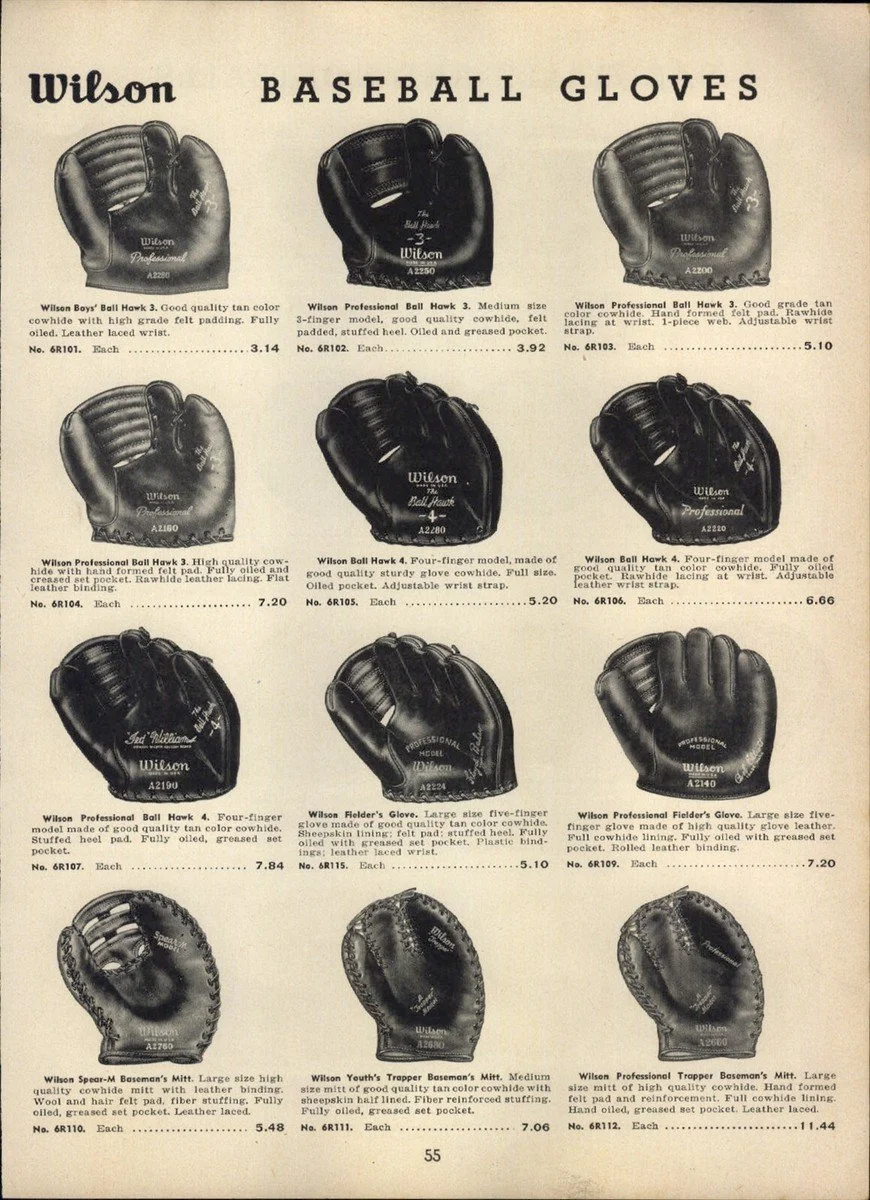
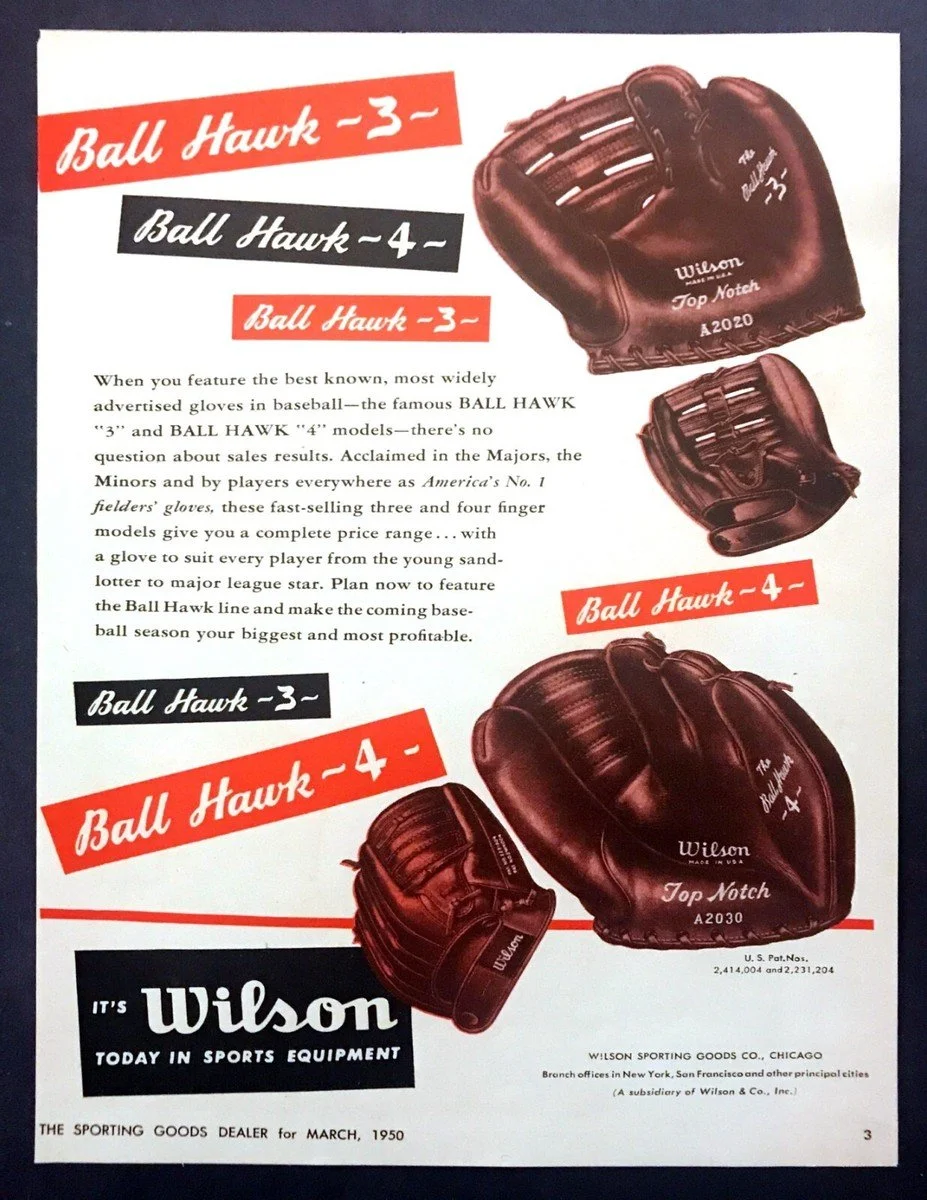
We often tend to think of baseball as deeply traditional, but the late 40s and early 50s were anything but in the glove world. The postwar boom that brought money and mechanical advancements to almost every industry came here too. Companies experimented with everything. Tunnel webs. Split fingers. Interlaced fingers. Deep pockets. Pre-curved fingers. Heel hinges. Laced fingers. Different web geometries. Nobody knew exactly what the modern baseball glove was supposed to become in an American century that for the moment seemed limitless.
Wilson wasn’t alone in this. Rawlings had already changed baseball forever with Bill Doak’s web. Other companies introduced ideas like the Snare, the Latch, Trappers, and Deep Well Pockets, all also great band names that never really caught on. The Ball Hawk wasn’t an isolated oddity; it belonged to baseball’s laboratory years.
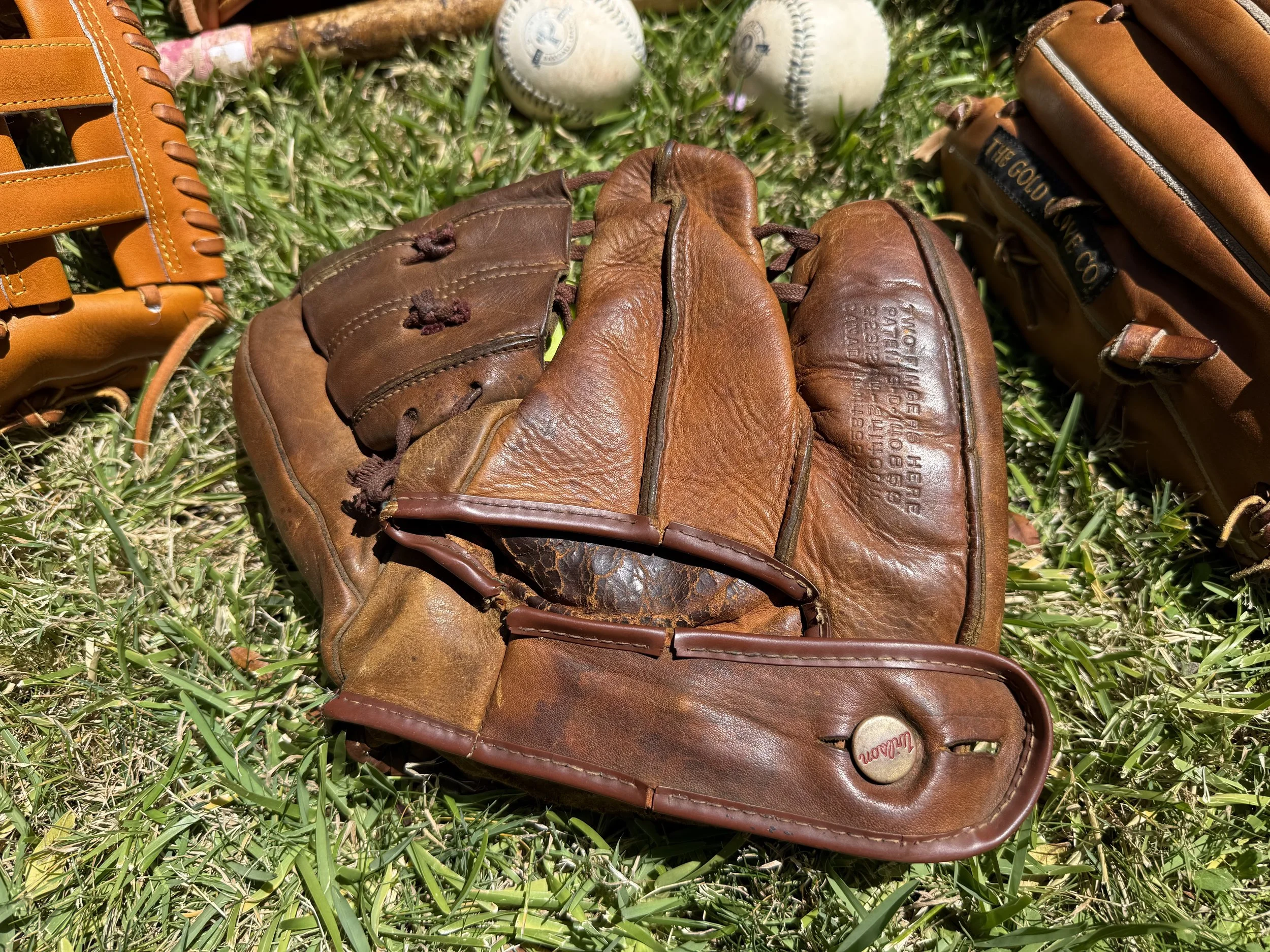
That’s the reason I love this glove.
It reminds us that baseball has never been nearly as resistant to change as it likes to remember itself being. The Ball Hawk design never became the standard in the game, and at a glance that might make it feel like a failed experiment. But while the exact look disappeared, the questions it asked never did.
Watching the Ballers over the past week, I couldn’t help thinking about that. Oakland’s roster has changed constantly, with roles transforming almost overnight. In the long wake of Tremayne Cobb’s injury, Oakland has been forced to do what every baseball team has to do—adjust. Different batting orders and defensive alignments. Different opportunities and voices inside the clubhouse. Two favorite Ballers—TJ McKenzie and Nick Poss—are visiting with the Mobiles, both bright red reminders of the flux of the game. Some team adjustments will work and some won’t. The spirit of the B’s will evolve even when the moments that flipped the script (say, a bottom of the ninth Jeter Ybarra third-homer-of-the-day-grand-slam-to-tie) fade into a new game or a new week and those who battled earlier in a season are gone.
That’s exactly the progress this old Ball Hawk represents. Try something, learn something, and move forward. The game never advanced because somebody already knew the answer.
Kyle Robinson is a transplanted Texan with a lifelong passion for the game of baseball. Residing in Oakland with his wife Randi, their daughter India, and a menagerie of pets. When he’s not slyly convincing his wife to name their pets after legendary baseball broadcasters (e.g. our corgi Milo Hamilton Robinson) he is probably balancing parenthood with trying to cram in as much baseball as possible. Whether it’s keeping the dream alive as a weekend warrior behind the dish, or on the sideline as a coach, volunteering, rest assured he has baseball on the brain. Find him on Instagram: @krob452
