

Glove of the Series: Marucci Capitol Horween 63A3
Yuba-Sutter, New Faces, Tre’s Back, and Baseball’s Currency of Trust
by Kyle Robinson
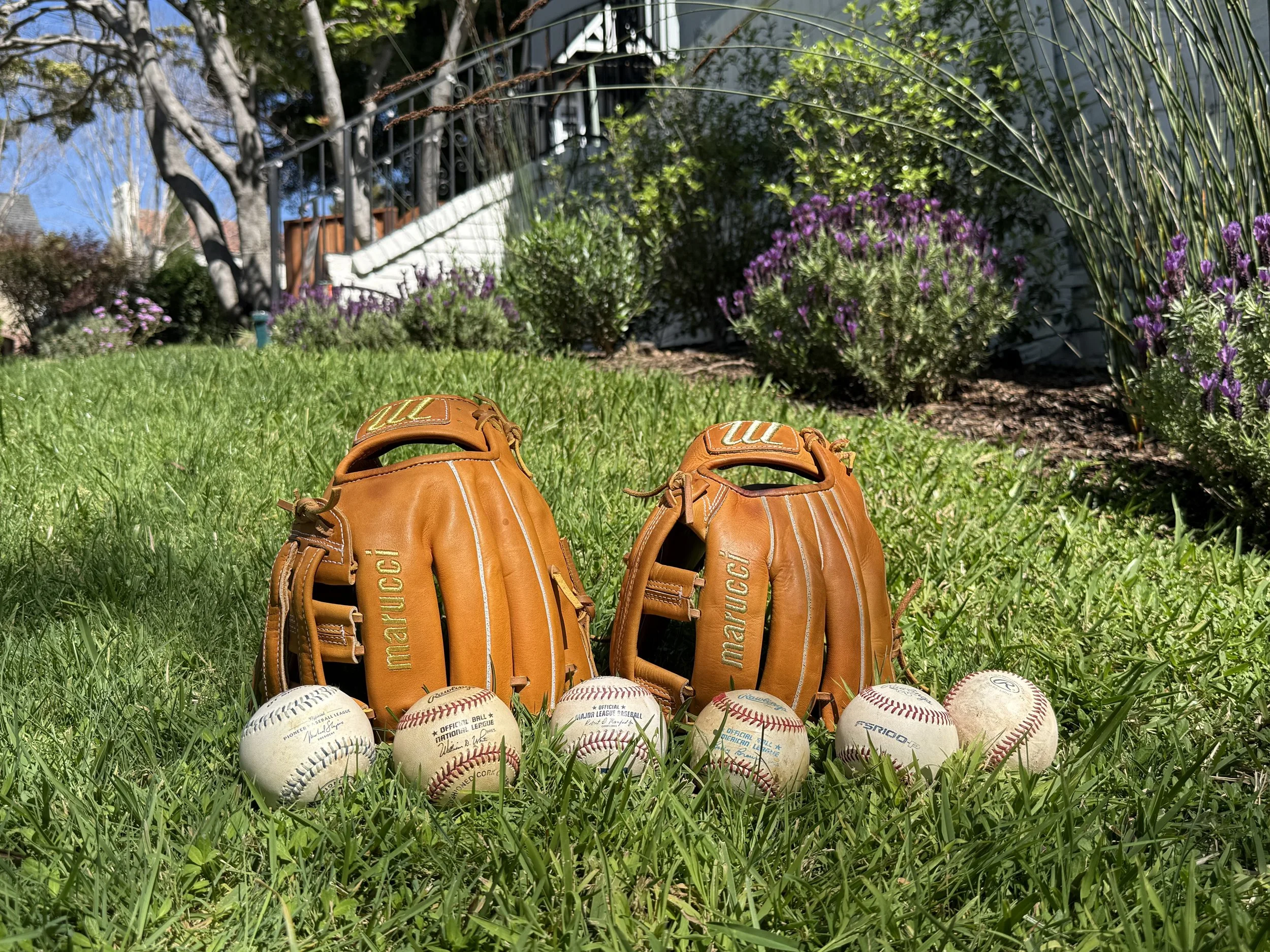
There are few things in baseball more difficult than trusting someone you’ve just met. Independent baseball asks players to do it nearly every day.
A veteran pitcher returns to the clubhouse after spending weeks somewhere else. A rookie signs his first professional contract and finds himself in the starting lineup that same night. A reliever you’ve never caught before is suddenly warming in the bullpen with the tying run on base. A new shortstop is taking ground balls next to you before you’ve even learned where he grew up.
Nobody knows exactly how those stories are going to end. Every sport likes to say it’s a game of inches, and baseball is a game of the fractions of the inches. It can be hard to walk that tightrope with so little room for error. Baseball ask you to trust anyway.
The Oakland Ballers have spent the past couple of weeks living inside that reality. Reed Butz returned and immediately stabilized a pitching staff looking for veteran innings. Griffin Smith threw only the second complete game in franchise history. TJ Rogers arrived and homered in his first game, first at bat, first pitch with Oakland. Tyler Bates, Christian Diaz, David Thomas, and Julio Rosario all stepped into meaningful innings almost as soon as they unpacked their bags. The Ballers won four straight games, then they lost the series finale to Boise by a few inches and a run.
That didn’t erase the previous week, not by any means. It simply reminded everyone of one of baseball’s oldest truths—yesterday’s work earns you today’s opportunity. Nothing more. Watching all of that unfold kept bringing me back to this one: the Marucci Capitol Horween 63A3.
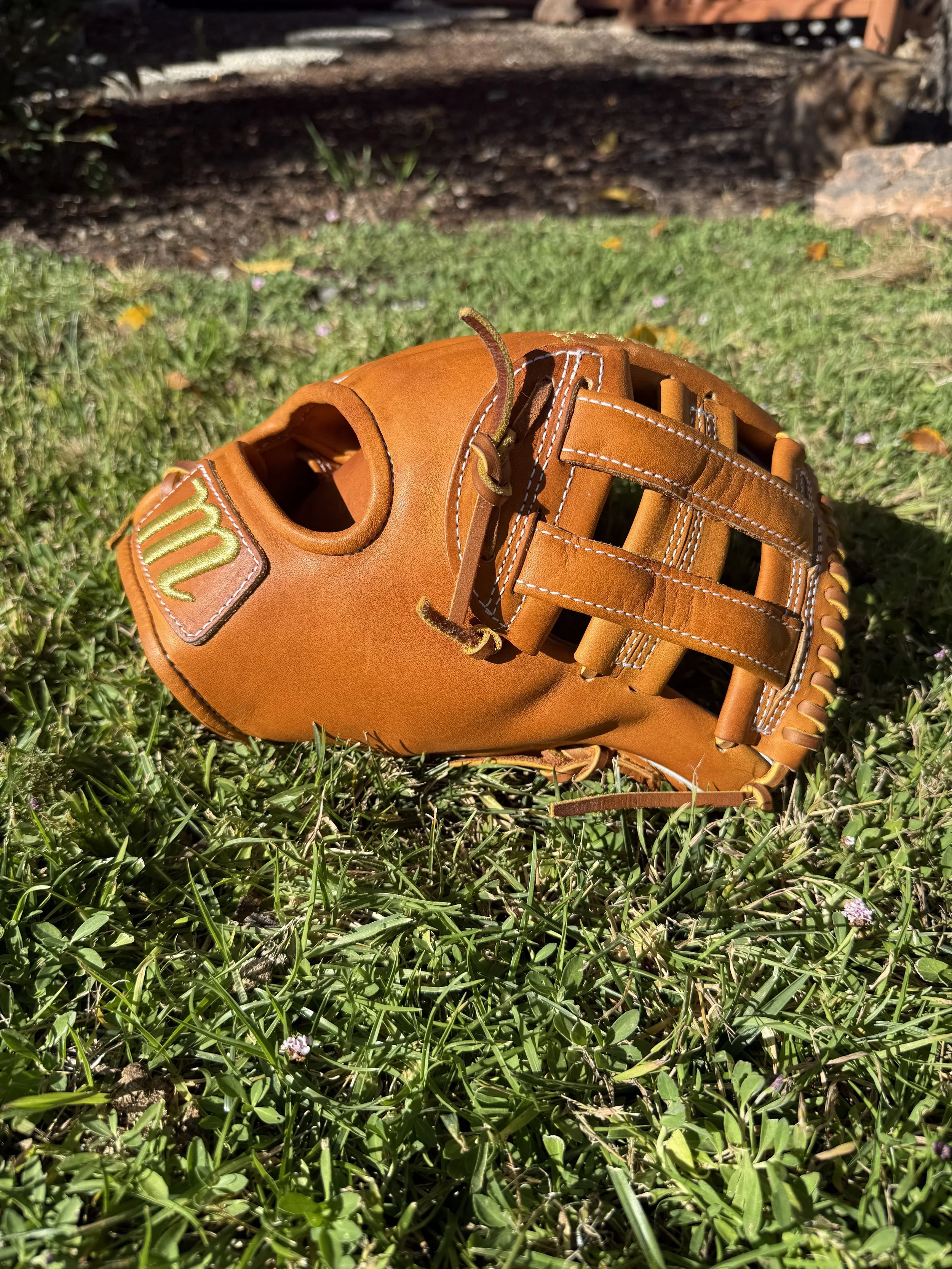
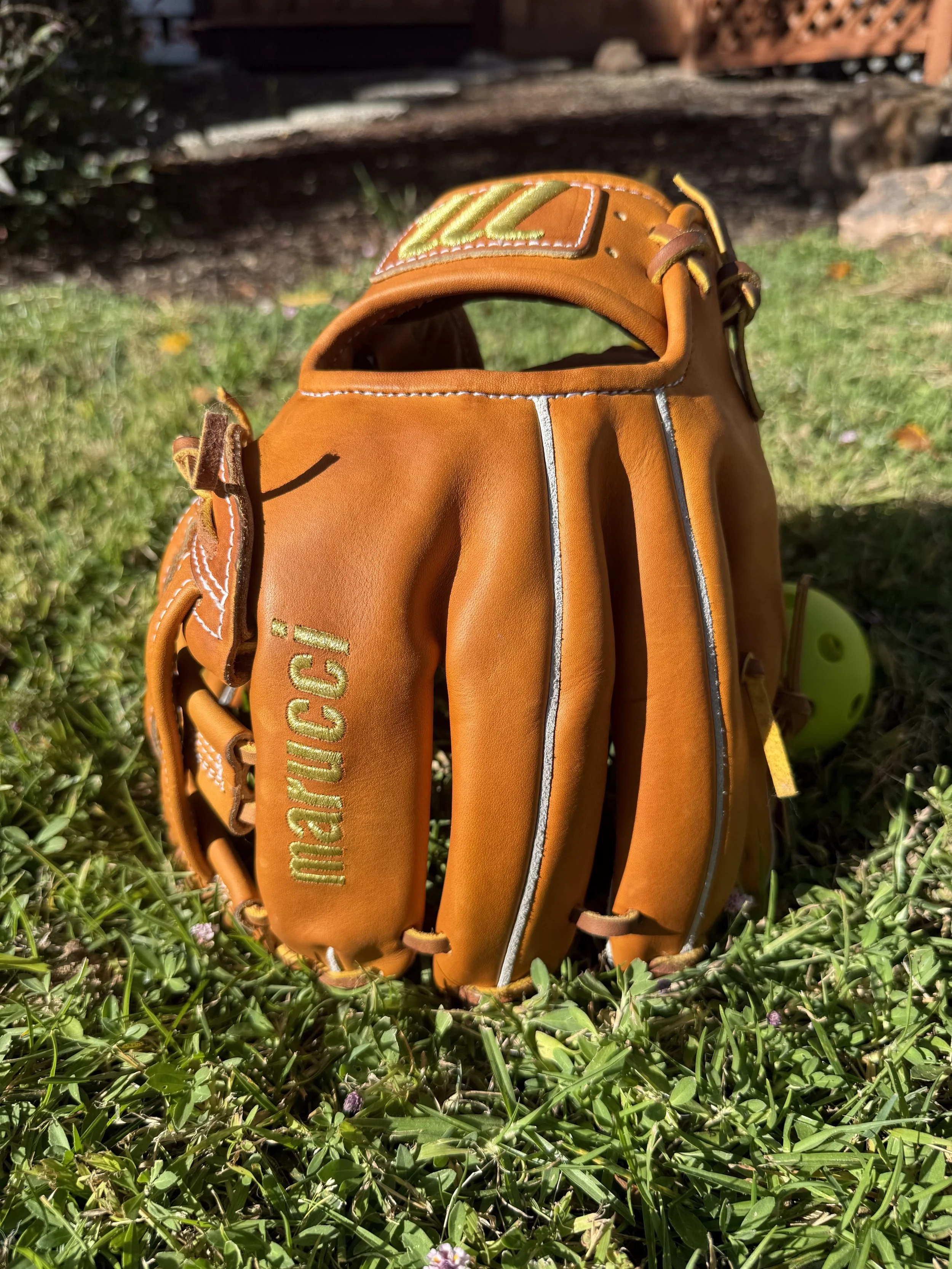
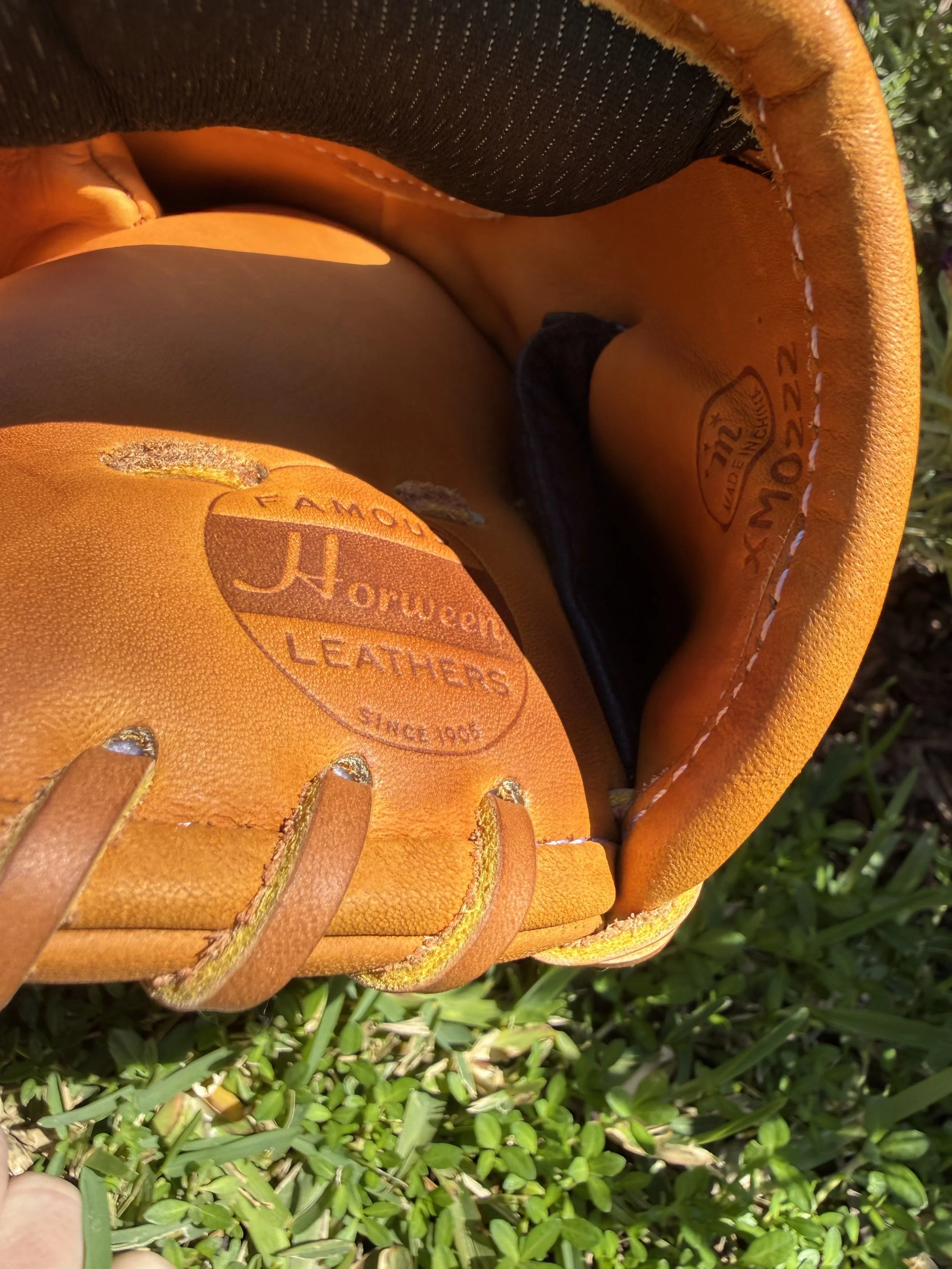
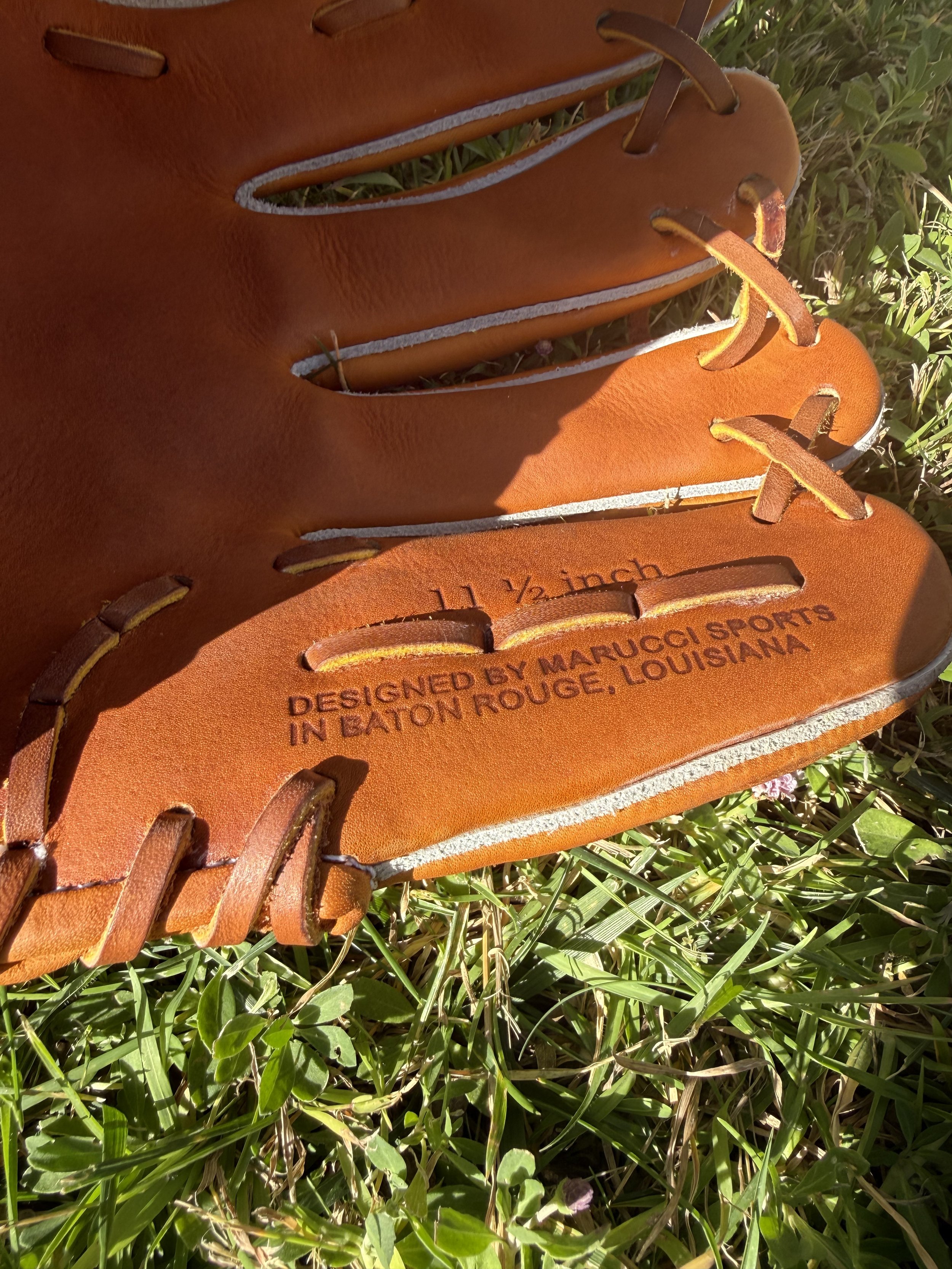
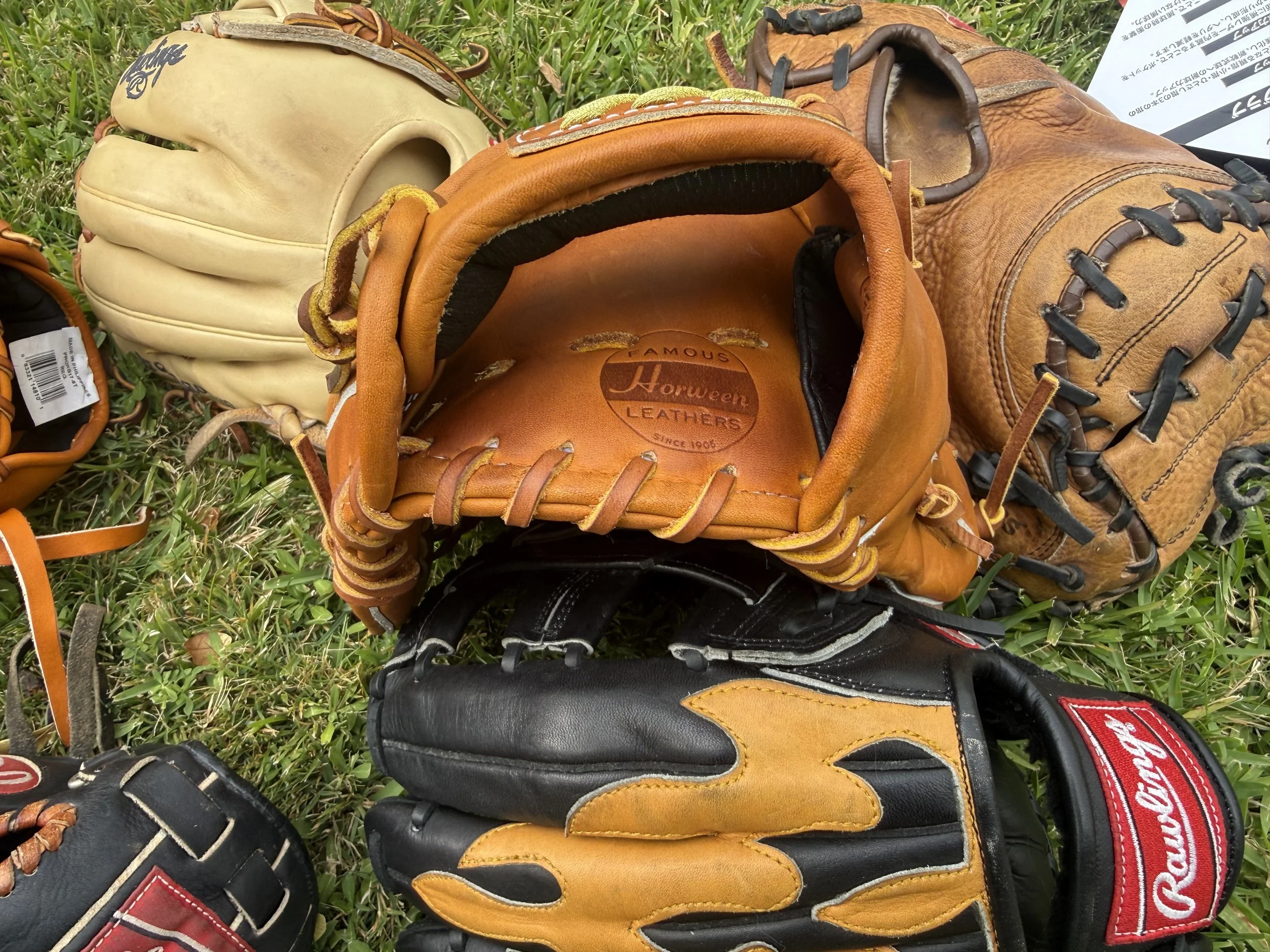
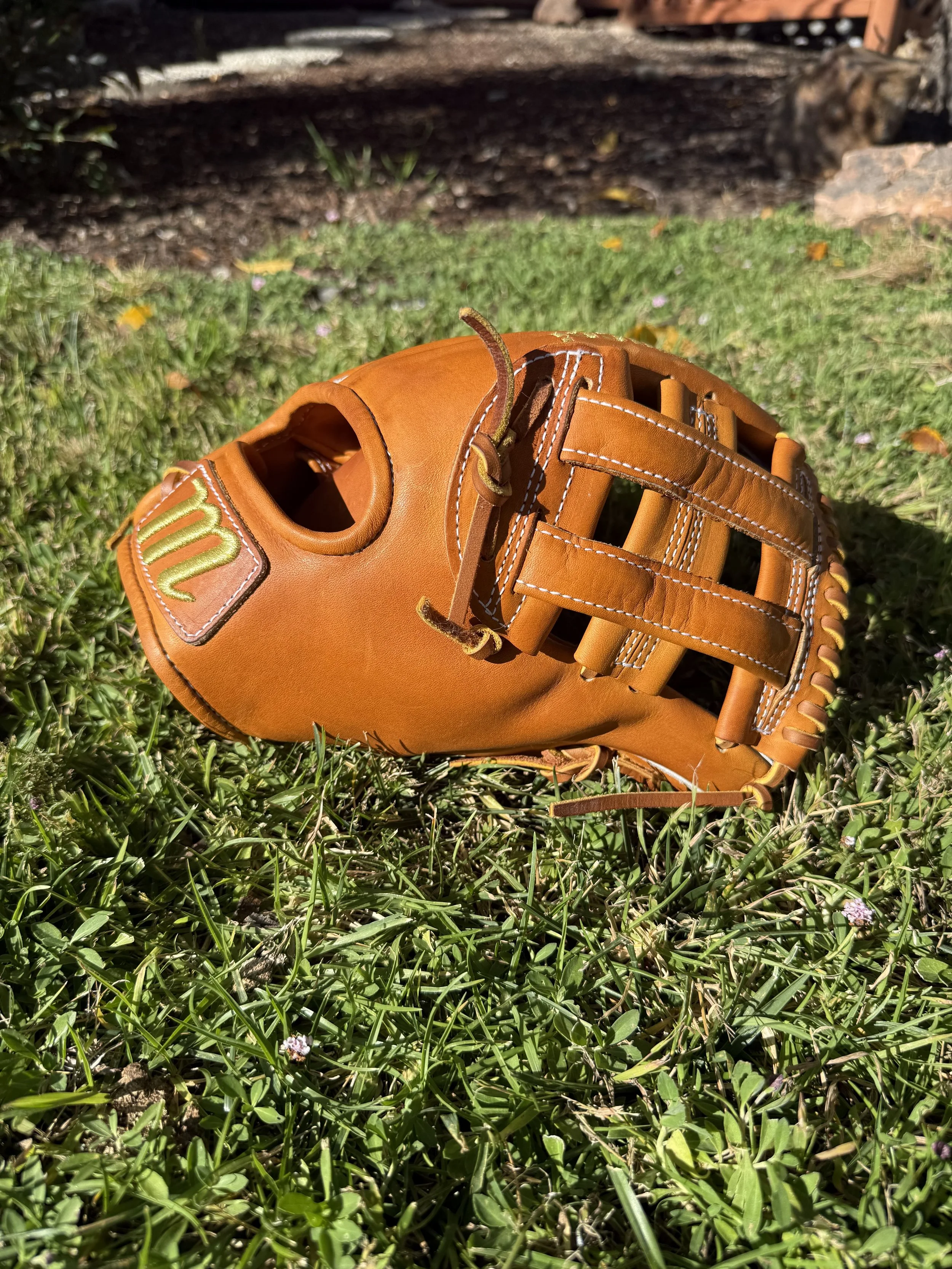
I picked it this week not because it was the newest glove I owned or the oldest, and not because it was another Horween leather tank. Not even because it and its peers have become some of the more sought-after gloves out there. It reminded me that baseball asks the same question of equipment that it asks of players: Why should I trust you?
I bought this glove mostly out of curiosity; it was the second Horween Marucci I’d purchased. The first one was already beautifully broken in and, as more than a few collectors have told me, something of a grail. Owning it sent me down a rabbit hole. I found myself reading about Eric Walbridge, the Glove Cowboy himself, paying closer attention to what Marucci was building, and noticing more often which gloves professional players were actually choosing to put on their hands.
This one was an eBay rescue, and whoever owned it before me had given it a pretty rough start. The palm had some gnarly bubbles that are still visible today, although they’ve settled down considerably with time and use. Oddly enough, I think that’s part of why I bought it. It wasn’t perfect, so what did I have to lose by running the experiment?
The first thing I noticed wasn’t the leather or the pattern. It was mostly what wasn’t there: no palm stamping, no player signature, just a very simple, incredibly sturdy mitt, and after longer than I’d like to admit, I noticed something else—no adjustable thumb loop. No adjustable pinky loop. Nearly every modern glove seems determined to offer another strap, another lace, another way to customize the fit, and this one didn’t. I wondered if something was missing. The more I handled it, the more I began to suspect that this was the point—build the glove correctly from the beginning. Trust the pattern, trust the construction, and trust that if you’ve done the work well enough, you won’t need to keep adjusting it later.
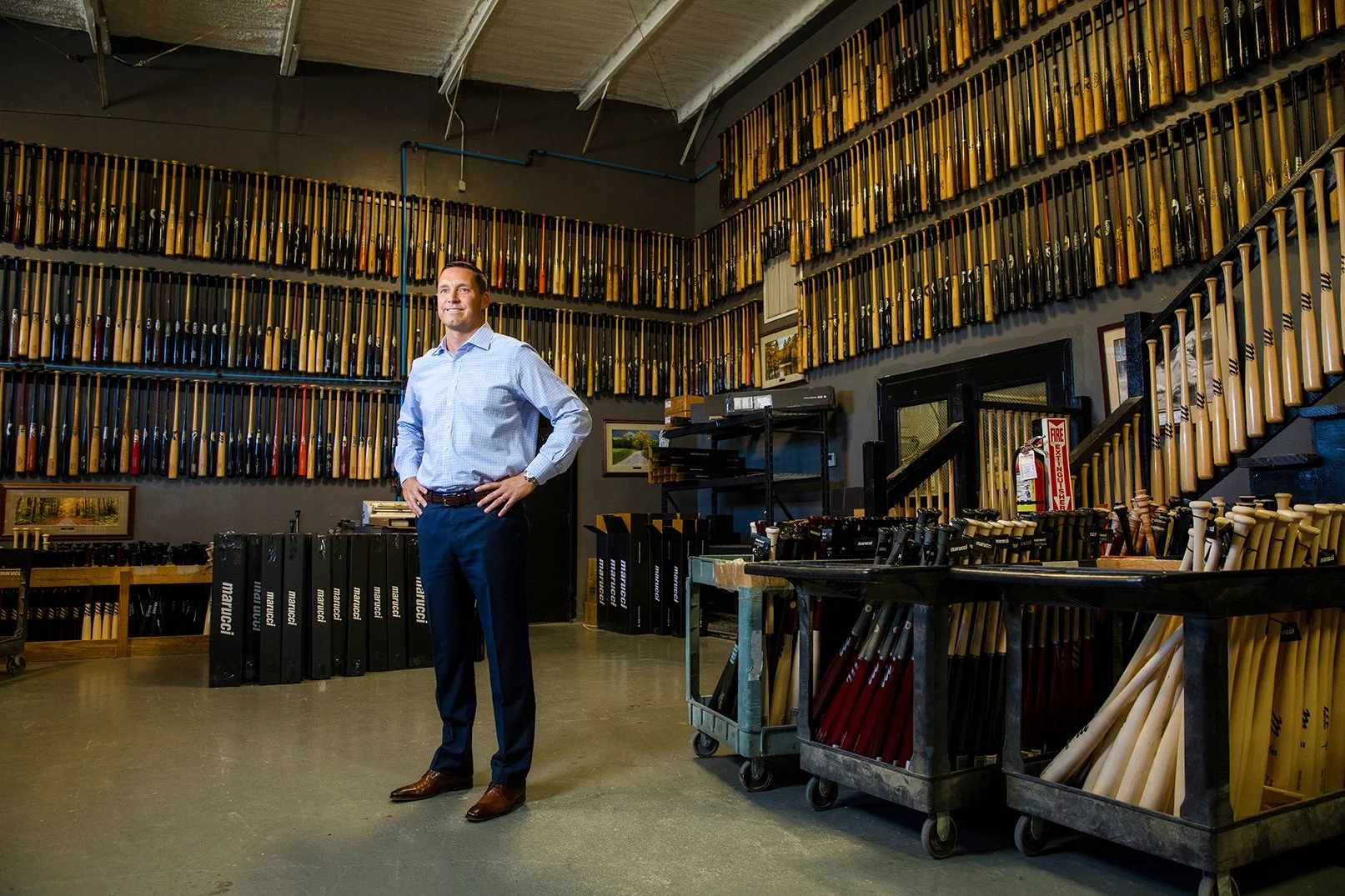
Marucci didn’t begin as a glove company. It began in a backyard shed in Baton Rouge, Louisiana, where former major leaguers Kurt Ainsworth and Joe Lawrence joined athletic trainer Jack Marucci to build baseball bats by hand. Players started using those bats because they worked, not because Marucci had been around for a century or because somebody declared them baseball royalty. One player trusted one bat. Then another player did, then another.
Years later, Marucci made the decision to move from lumber to leather. That was a much harder conversation. Rawlings and Wilson weren’t going anywhere. Mizuno had already established its own philosophy of glove making. Nike occasionally liked to make some noise. Marucci wasn’t asking players to try a different bat anymore—bats break; players in a slump will drop a stick of lumber like a bad habit. A glove was a much bigger ask. They were asking players to replace the most personal piece of equipment they owned. You don’t simply use a glove. You build a relationship with it. That’s why changing gloves feels different than changing almost anything else. That’s also why Eric Walbridge makes so much sense in this story. Most folks know him as the Glove Cowboy.
Long before helping shape Marucci’s glove program, Eric had earned a reputation among collectors and equipment people for understanding what made a glove feel right. Years ago, he described baseball gloves as “basically a metaphor for baseball” and “the most sentimental thing you could possibly own in the sport.” He’s right: a glove isn’t just leather; it’s accumulated experience, accumulated confidence, accumulated trust. When Marucci expanded into premium gloves, they weren’t simply hiring someone in Walbridge who knew how to design baseball equipment. They were bringing in someone who already understood why players became attached to it. That’s how baseball evolves, of course, by learning from what came before.
Marucci was late to the game and never had the luxury of pretending Rawlings and Wilson didn’t exist. If they wanted players to trust their gloves, they had to build something worthy of standing beside them, not simply something different. The essential thing about real trust is that nobody gets to declare they’ve earned it, it’s others who decide. That’s true for glove makers, for players, for baseball teams.
At some point, professional players started showing up with Marucci gloves, and those players had other choices. When a major leaguer walks onto the field with a particular glove, he’s making a decision about the one piece of equipment that will be in his hand every inning he’s on defense. Those choices aren’t made lightly, and they’re rarely made because of advertising.
Watching the Ballers over the last two weeks, I kept realizing they’re living that same process. Independent baseball asks players to make enormous leaps of faith. You arrive in a new city. You shake hands with teammates you’ve never met. You try to learn signs, scouting reports. You trust that the shortstop knows where you’ll be covering second. You trust that the veteran in the next locker is going to help you instead of seeing you as competition. None of those things come with guarantees, and trust isn’t measured by whether everything goes your way. If that were the case, nobody would last very long in baseball. Oakland won four games in a row, then lost a close one, and they’ll hand somebody else the baseball again today.
The B’s begin another series this week in Marysville with a clubhouse that looks different than it did a month ago. Some names have moved on, others have only just arrived. Others, like the singular Tremayne Cobb, are back. That certainty, that leadership from someone admired and proven—and, for a worrying moment, absent—helps all the other uncertainties feel a little more manageable.
Today, someone will throw a bullpen to a catcher he barely knows. An infielder will trust the feel of his glove and flash of a teammate’s jersey in the corner of his eye. A hitter will step into the box wearing equipment someone once took a chance on. Baseball keeps asking the same question.
Who are you willing to trust before you’ve been given proof?
Kyle Robinson is a transplanted Texan with a lifelong passion for the game of baseball. Residing in Oakland with his wife Randi, their daughter India, and a menagerie of pets. When he’s not slyly convincing his wife to name their pets after legendary baseball broadcasters (e.g. our corgi Milo Hamilton Robinson) he is probably balancing parenthood with trying to cram in as much baseball as possible. Whether it’s keeping the dream alive as a weekend warrior behind the dish, or on the sideline as a coach, volunteering, rest assured he has baseball on the brain. Find him on Instagram: @krob452
