

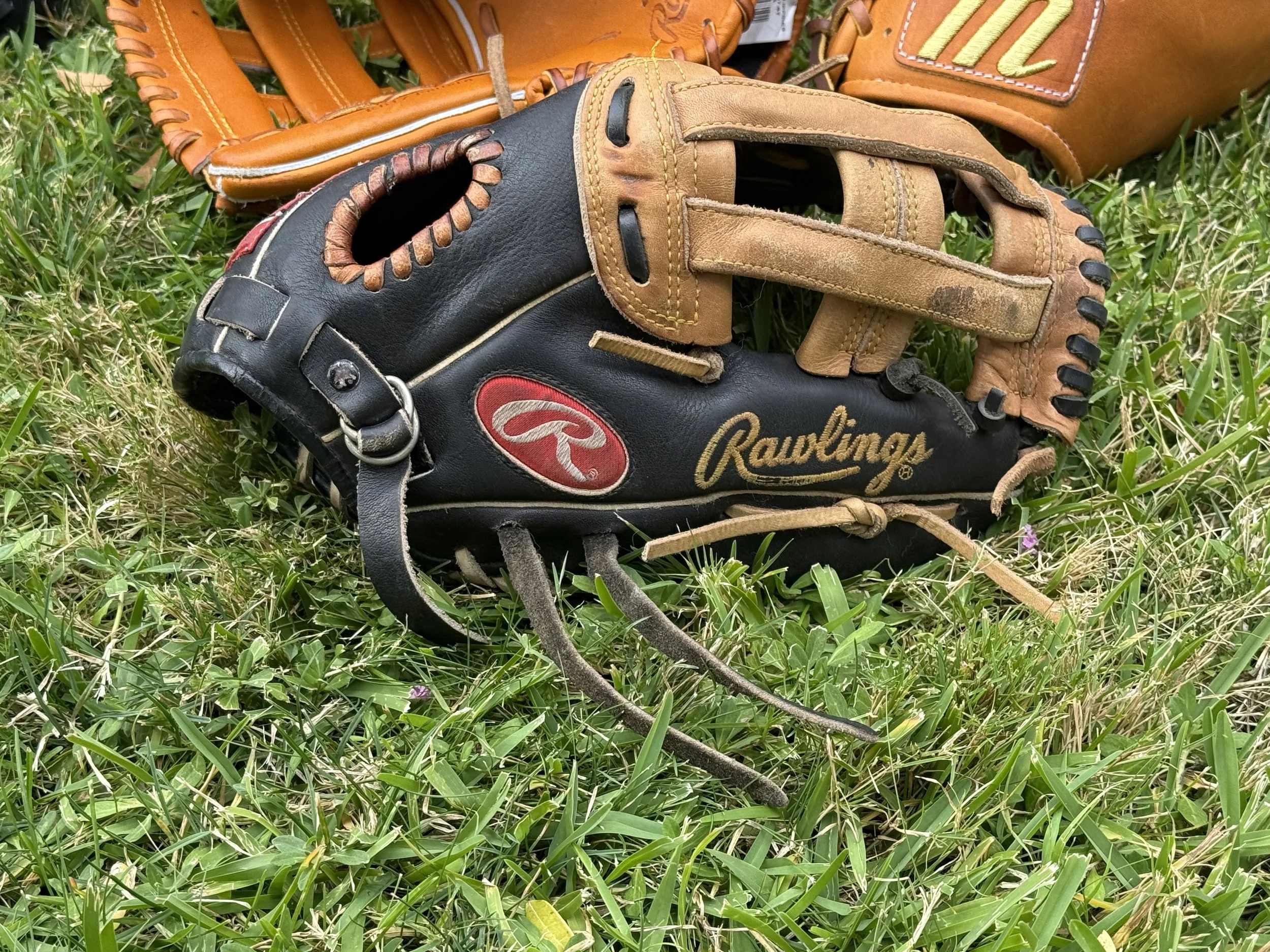
Glove of the Series: Rawlings Gold Glove Tony Gwynn Model
Do the Next Thing Well —Oakland Visits Long Beach
by Kyle Robinson
Baseball has a way of convincing us the answer has to be bigger than the problem.
After a difficult stretch for the Ballers that included sweeps by the Coast and Modesto, it’s easy to look for one dramatic solution. A new arm. A new bat. One huge inning. One player to pull everyone else forward.
Watching the Ballers lately, I caught myself thinking about someone I haven’t stopped learning from in nearly thirty years.
Tony Gwynn.
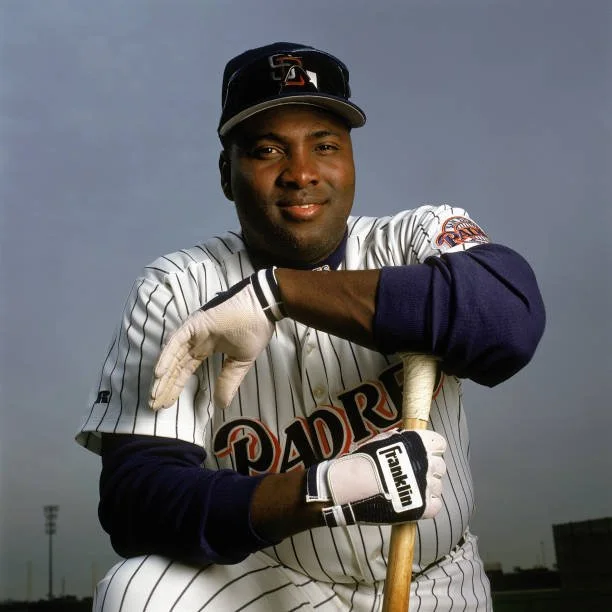
There are a lot of debates in baseball: greatest player, biggest “what if?” or greatest season or greatest team. Everybody has an opinion. When someone asks “greatest hitter,” my answer has never changed.
Sure, Tony Gwynn collected 3,141 hits, and he won eight National League batting titles. He hit .338, earned fifteen All-Star selections, five Gold Gloves, seven Silver Slugger Awards, and a plaque in Cooperstown. Oh, and he chased .400 during the strike-shortened summer of 1994. But that's not all of it for me. Every time one of those old Tony Gwynn hitting videos finds its way onto my feed, I stop and fall down one of my favorite rabbit holes.
If you’ve never seen them, they’re worth your time. Grainy VHS footage from inside a batting cage or an empty field. Tony standing there with a bat in his hands with nothing but a batting tee and a bucket of balls, casually explaining one of the hardest things in sports like he was teaching someone to rake leaves. He wasn't promising secrets or a magic trick. His method was control what you can control, and that was always just yourself. He talked about hitting the ball where it was pitched, staying inside yourself, making adjustments you could feel. Prepare with purpose.
Tony never made baseball sound easy, but he made the work understandable, and that makes all the difference. Because baseball has a funny way of making us believe every problem requires an extraordinary answer.
Lose six games? Trade everyone. Strike out three times? Rebuild the swing. Miss a cutoff man? Start second-guessing everything. Tony spent an entire career proving otherwise.
This glove came into my life when I was in high school. It isn’t a Heart of the Hide, or a pro preferred, or anything worth keeping in any collection for anything other than sentimental value. It’s a Rawlings Gold Glove Series Tony Gwynn youth model.
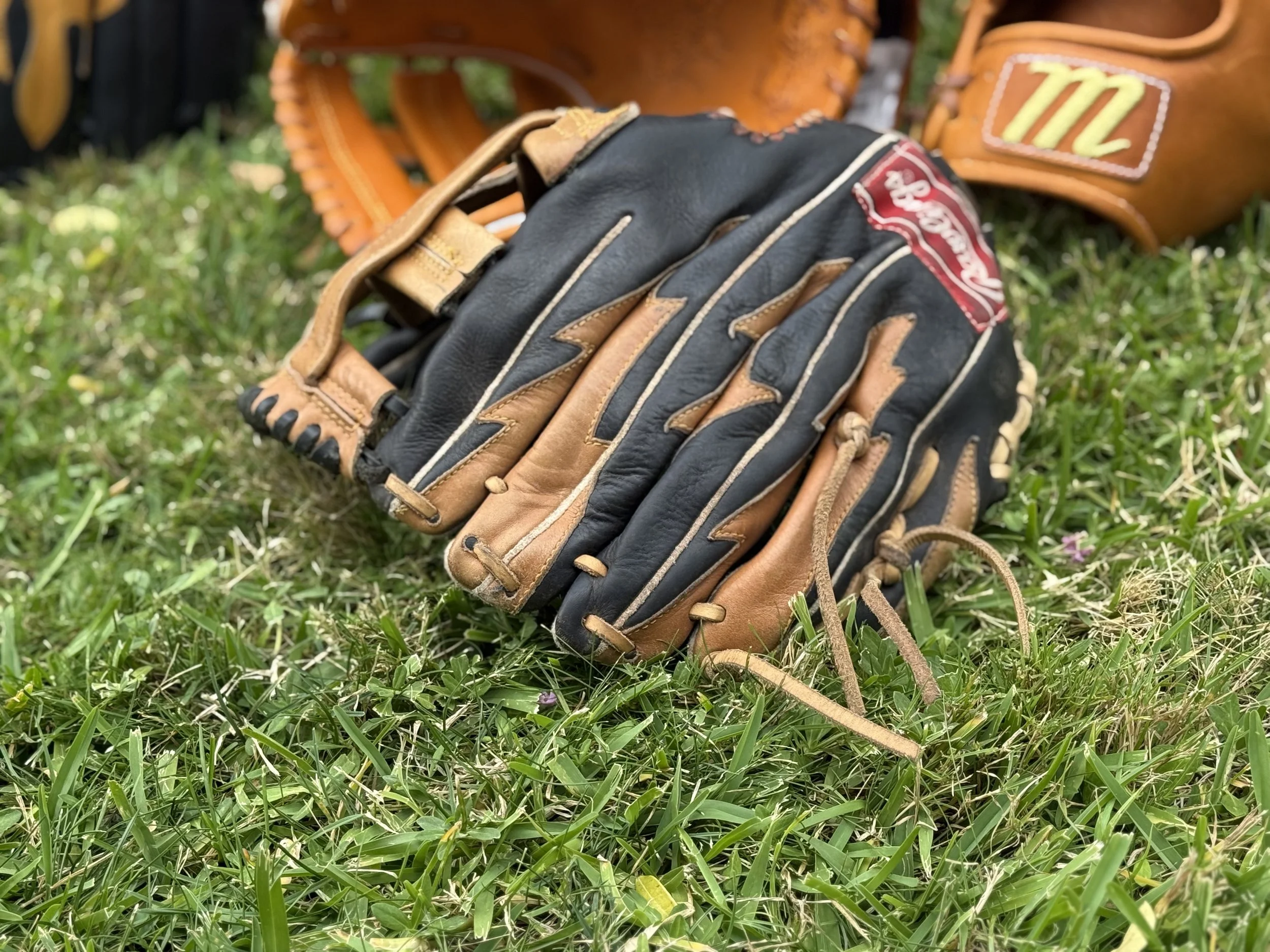
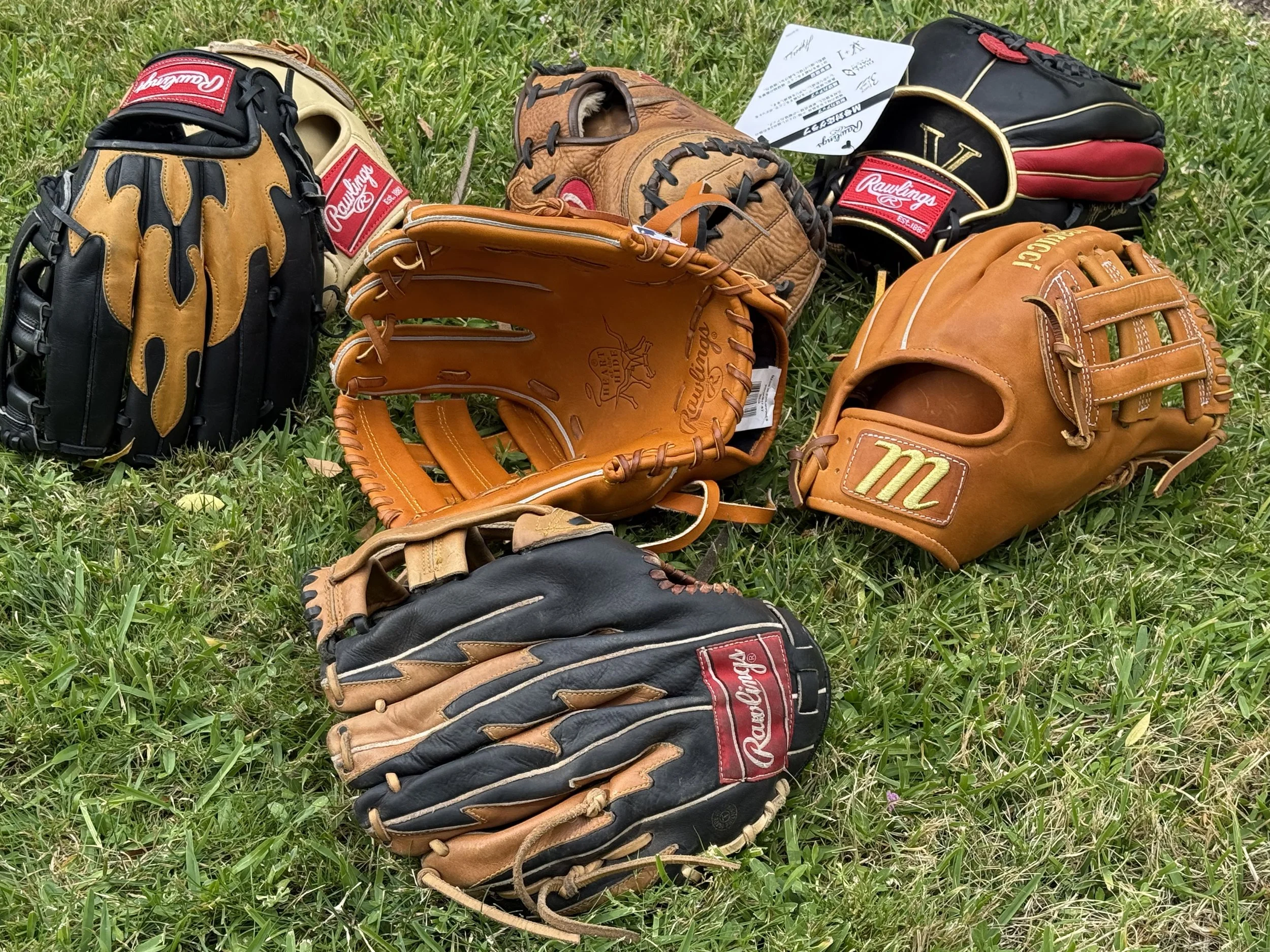
A few months ago, my nephew asked if he could borrow one of my gloves for his Little League season. I wasn’t about to hand him one of the grails from the collection, but this one felt right, so I pulled it out, re-laced it, cleaned it up. I didn’t give him a speech about leather care, nor did I explain how long I’d owned it. I just repeated to him what somebody had told me when the glove was new: know where you put it when you aren't using it. Keep a baseball in the pocket, if you can remember.
That was it. Simple things he could control.
When his season ended, he walked over carrying the glove exactly like he promised. It wasn’t spotless, nor freshly conditioned. It looked exactly like a ten-year-old had spent an entire baseball season playing baseball with it. Perfect. I wasn’t trying to teach him some profound life lesson, I was just passing along the same conversation that had been passed to me more than twenty-five years ago.
Long before his videos became part of every clubhouse, Gwynn studied tape obsessively. He wanted to know why a swing worked, why it didn’t, and what tiny adjustments would give him a better chance the next time he stepped into the box. Teammates talked about his preparation almost as much as they talked about his swing. He was never chasing perfection; he was chasing improvement. Gwynn couldn’t control the next pitch, the umpire’s strike zone, or yesterday’s box score. But he could control the work—the video, the batting cage, the routine, the next adjustment. The rest was baseball. One of my B’s fan friends talked to assistant coach James Harris after the last homestand. “Tough stretch,” she said. He shrugged. “That’s baseball.”
That lesson feels especially relevant right now. The Ballers don’t need one player to rescue the second half. Every player’s next pitch is the next pitch. Every good routine play matters. One throw and then a better one. A quality at bat stacked on top of another and another. That’s almost always how a team finds its way back.
Tony Gwynn believed that baseball only asks us to do the next thing well. Somewhere along the way, you find the extraordinary.
Bring the glove back. Keep a ball in the pocket. Be ready for tomorrow. The rest usually takes care of itself.
Kyle Robinson is a transplanted Texan with a lifelong passion for the game of baseball. Residing in Oakland with his wife Randi, their daughter India, and a menagerie of pets. When he’s not slyly convincing his wife to name their pets after legendary baseball broadcasters (e.g. our corgi Milo Hamilton Robinson) he is probably balancing parenthood with trying to cram in as much baseball as possible. Whether it’s keeping the dream alive as a weekend warrior behind the dish, or on the sideline as a coach, volunteering, rest assured he has baseball on the brain. Find him on Instagram: @krob452
