

Glove of the Series: Another Round with the Modesto Roadsters
Glove of the Series: Rawlings Stan Musial Trapper
“You’re terrible. You’ll never make anybody’s team at first base.”
by Kyle Robinson
The Ballers return to Raimondi Park this weekend looking to bounce back after a tough series being swept in Long Beach.
The final scores tell part of the story. Another series against the Pioneer League’s measuring stick, but not the whole picture. Oakland led deep into Tuesday night’s game before Long Beach erupted late, then hung around again Wednesday behind another quality outing from Hunter Day and one of the defensive plays of the season from outfielder Myles Beale. Against a Coast club that finished the first half 37-11 — the exact record Oakland carried at their halfway point last season — the margin for error never stayed open for very long.
There were encouraging signs throughout the series. Tremayne Cobb continued to set the tone from the top of the lineup. The starting pitching gave Oakland a chance to win both games. Newcomer Demias Jimerson collected his first hit as a Baller, and Reed Butz was back around the club, even if his first assignment was ball boy instead of pitcher.
Oakland didn’t look overmatched. It looked more like a team still figuring out how to beat the league’s best. Baseball rarely asks you to reinvent yourself entirely. More often, it asks you to get a little better with each rep. That thought brought me back to one of the more unusual gloves in my collection.
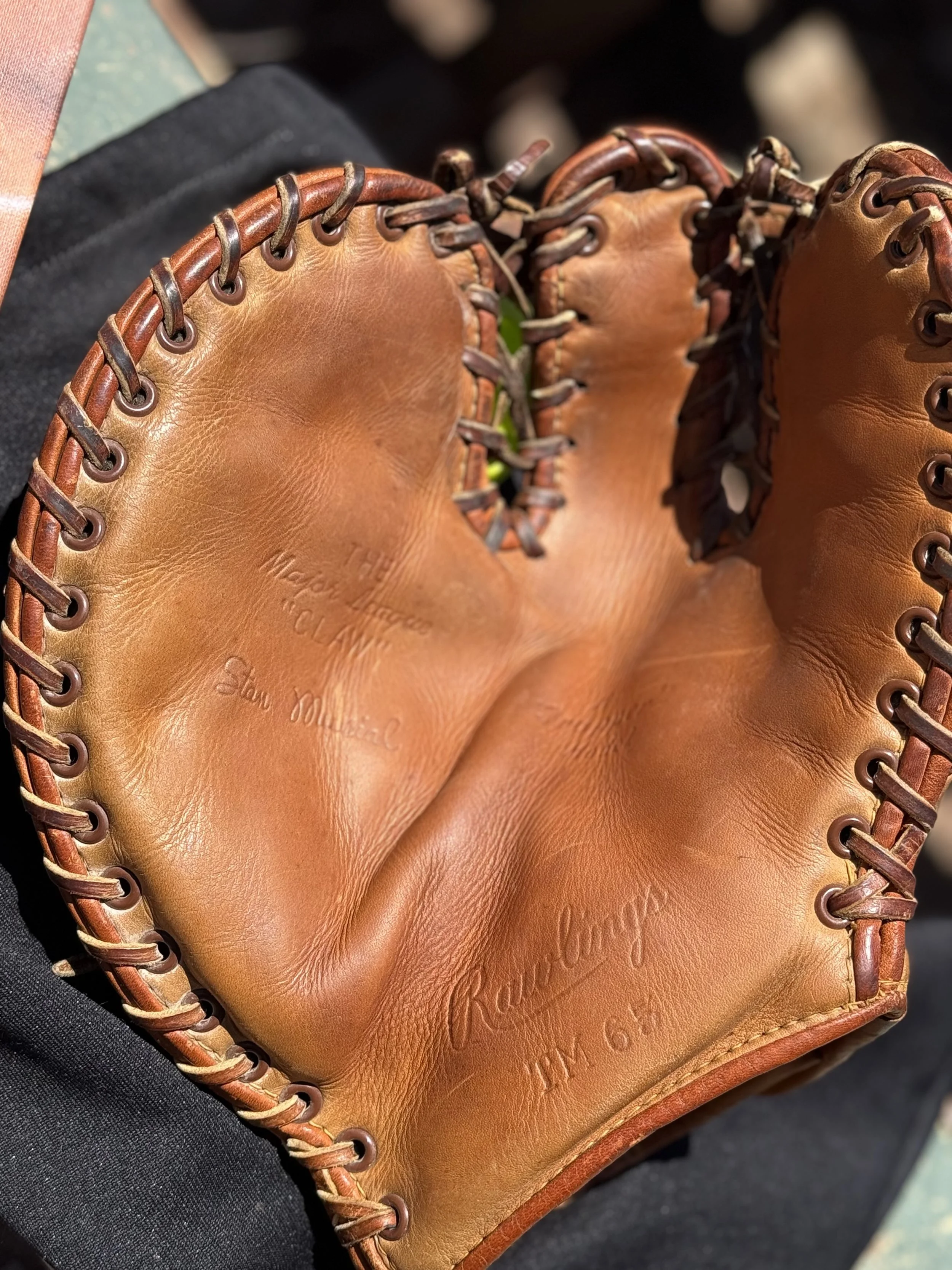
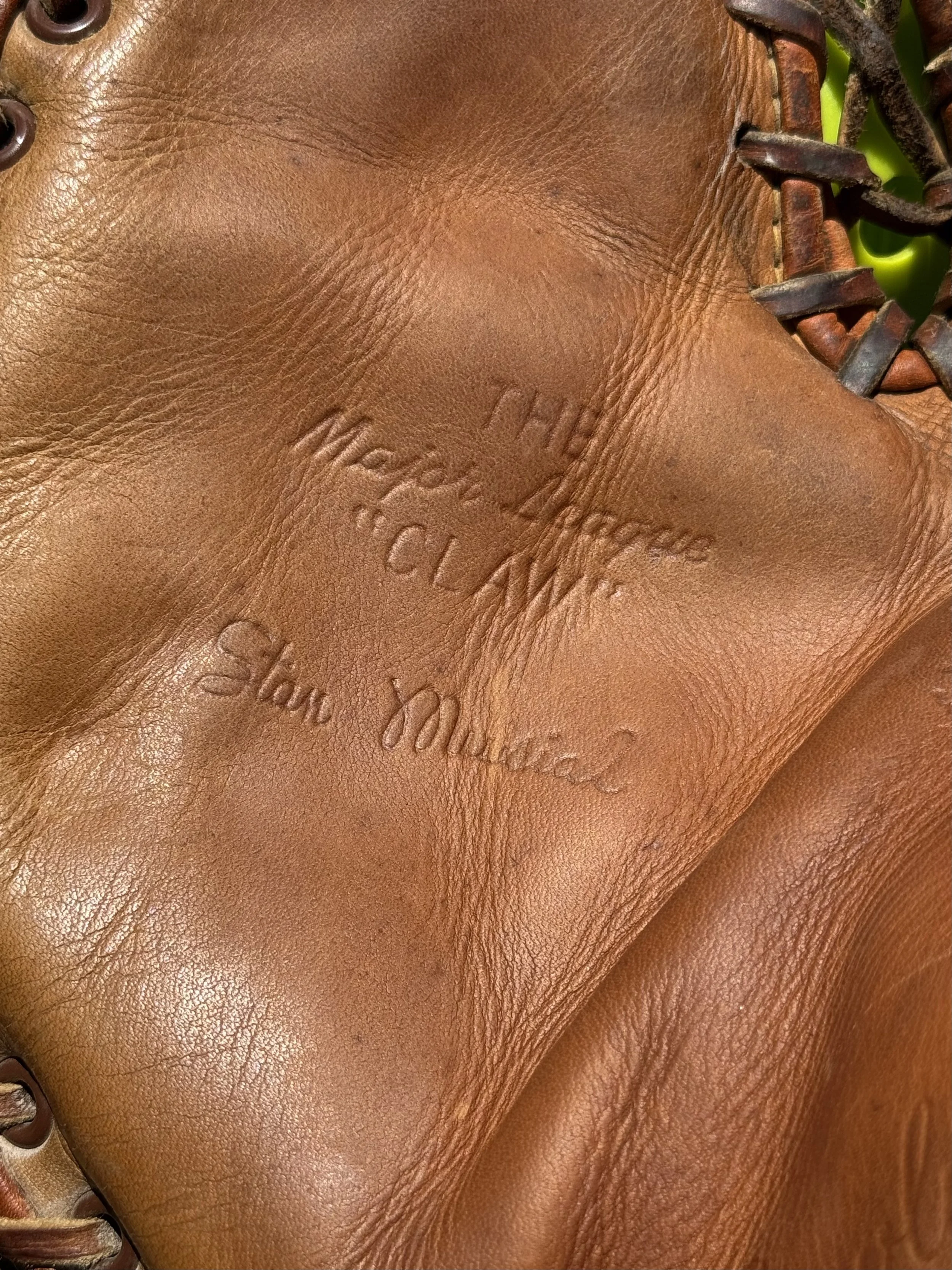
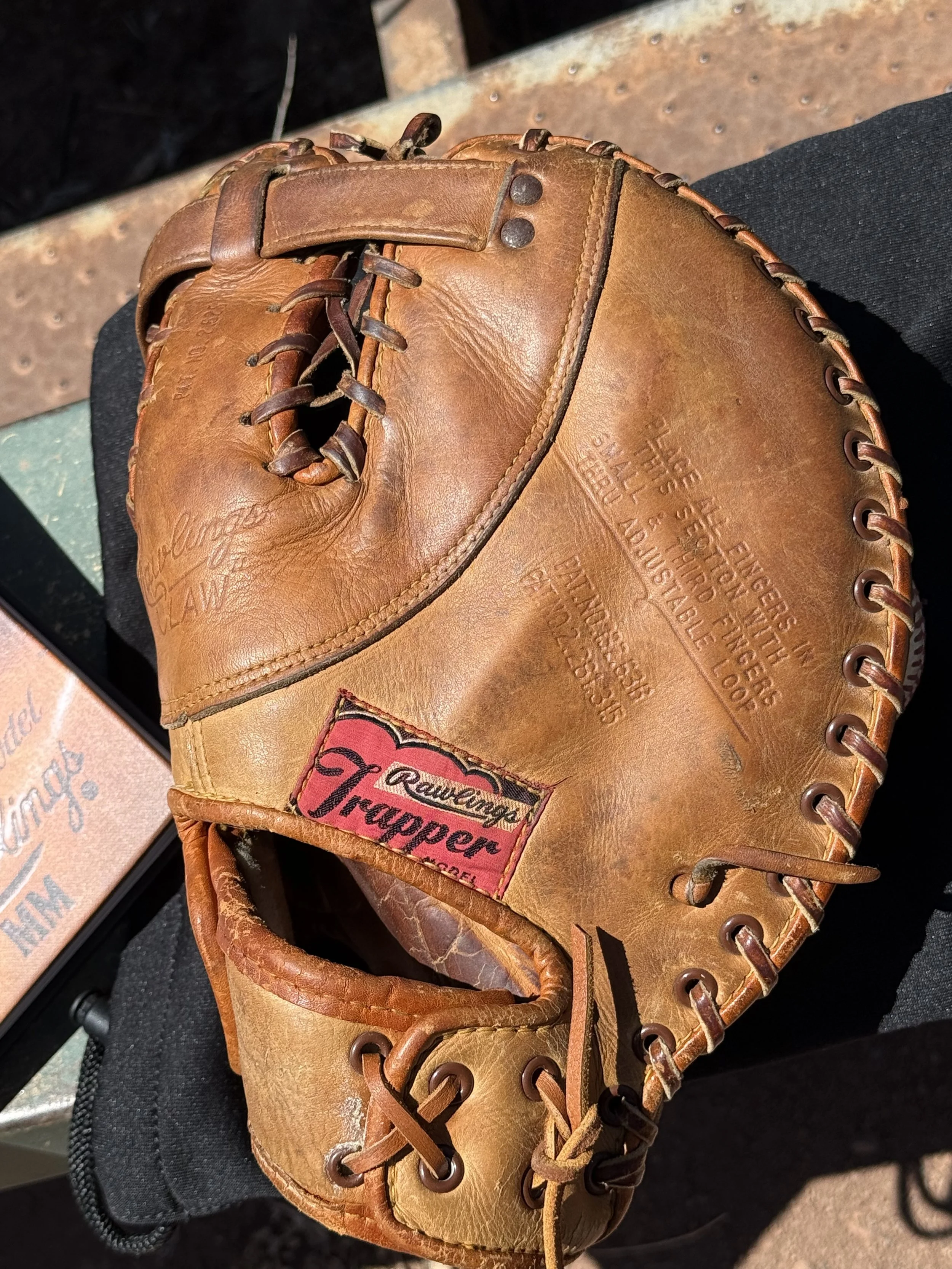
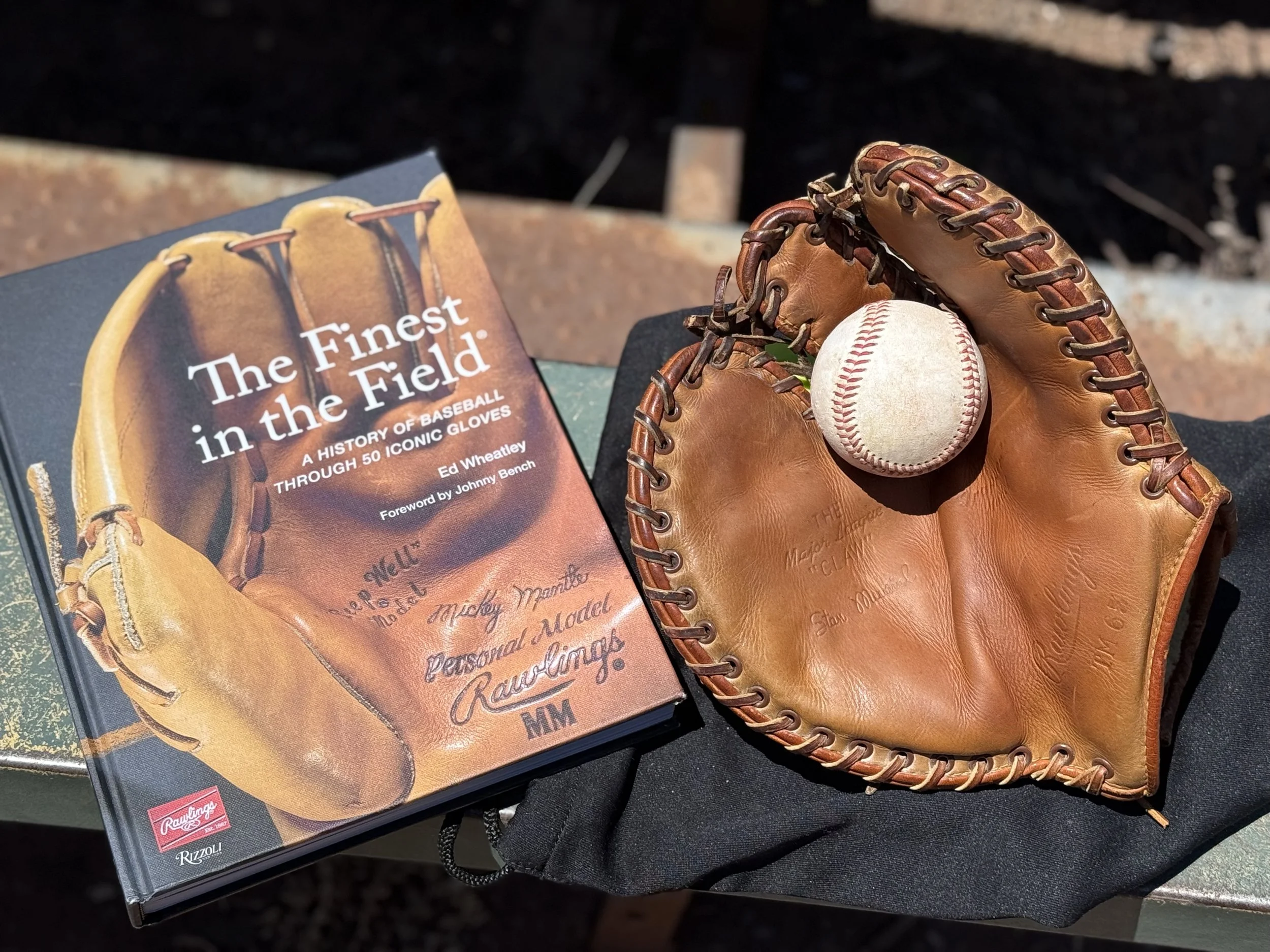
If I’m going to buy a glove simply because of the player who inspired it — and not because I expect to spend weekends playing catch with it — then it only feels fitting that the glove should match the hand that player wore it on. Far from practical, but to me, it’s about respecting the history behind it.
I’m annoyingly right-handed, which means this glove was never going to become one of my gamers. Left-handed players don’t have many defensive options, and unless I suddenly learn to throw with my other arm, I’m not taking the field with this mitt for anything other than show and tell.
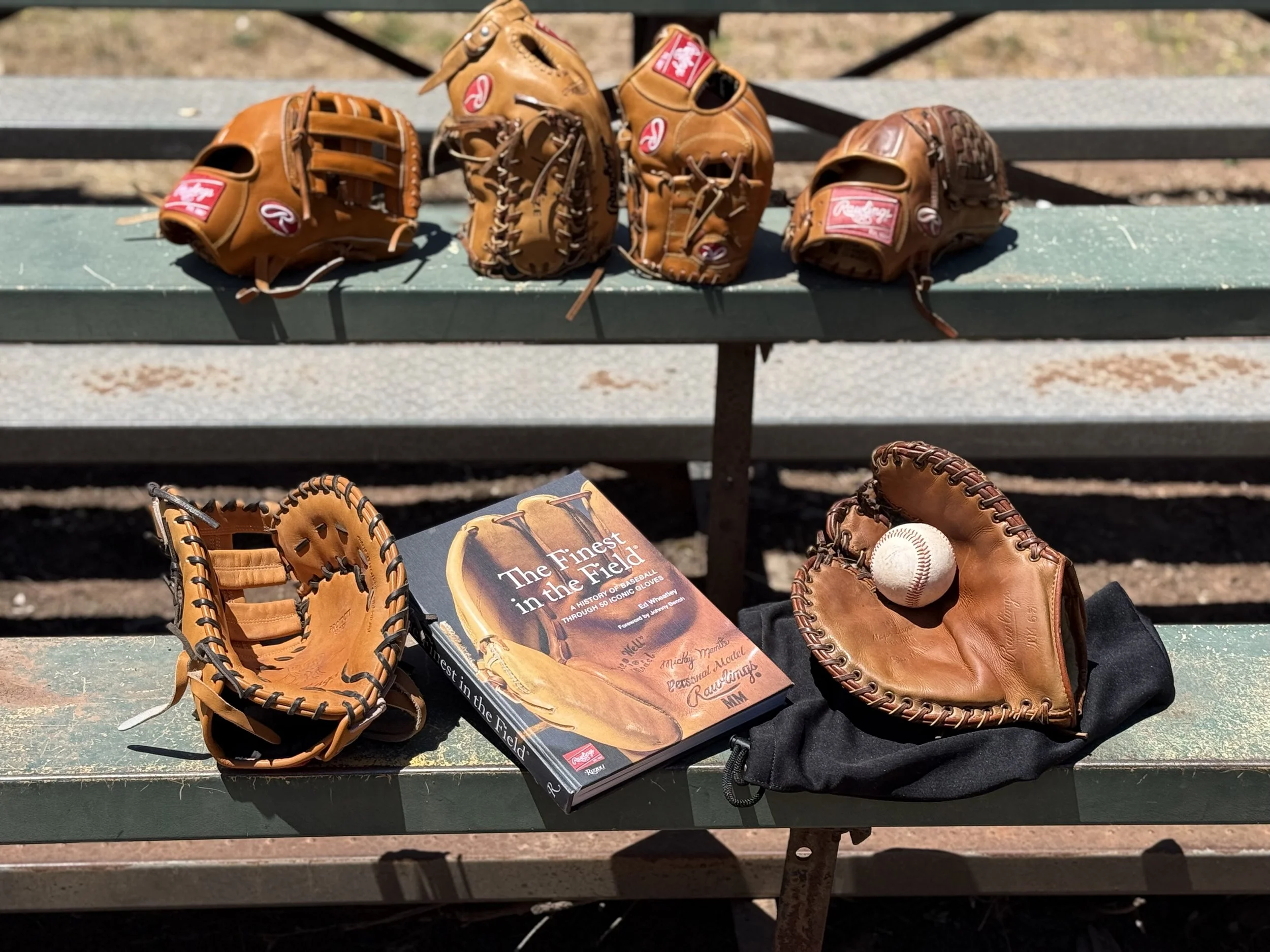
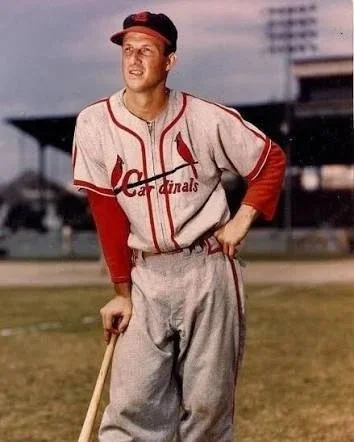
But Stan “The Man” Musial made quite the convincing argument.
This isn’t another story about first base. It’s about what happens when baseball tells you you’re not very good at something.
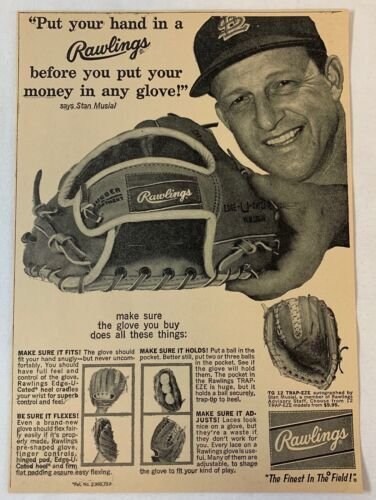
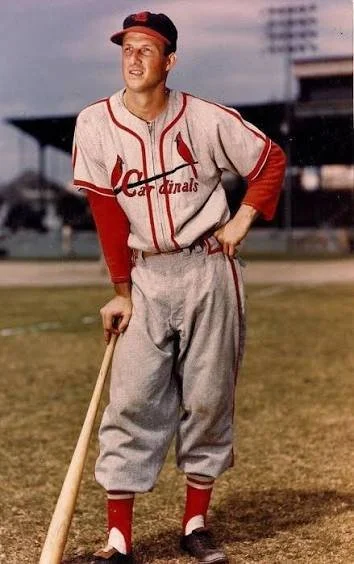
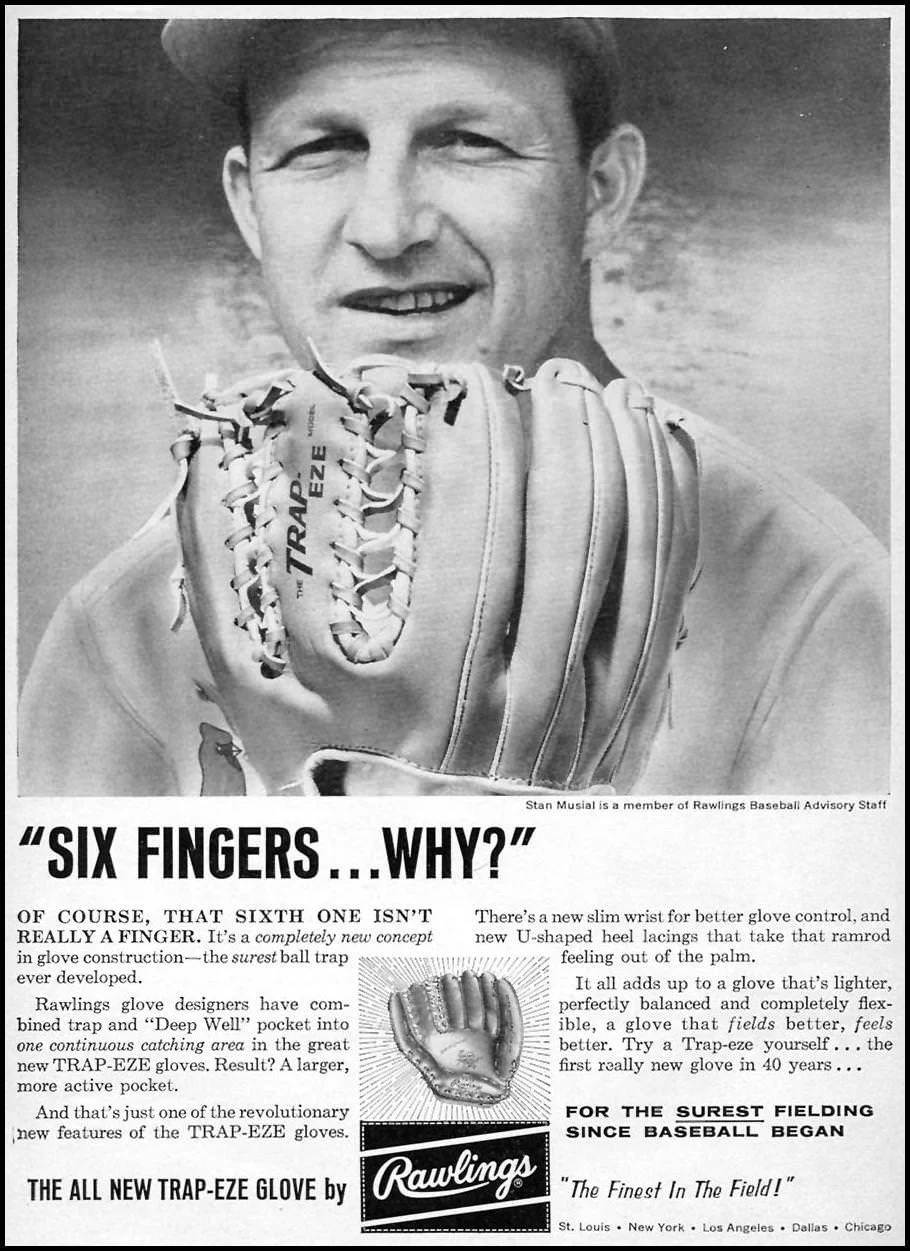
Today, Musial is remembered as one of baseball’s greatest hitters, though he rarely dominates “greatest player ever” conversations the way Babe Ruth, Willie Mays, Mickey Mantle, Ted Williams, or Hank Aaron do. He retired with 3,630 hits, a .331 batting average, three National League MVP Awards, seven batting titles, and exactly 1,815 hits at home and 1,815 on the road. He struck out only 696 times while hitting 475 home runs. Maybe consistency doesn’t create mythology the way spectacular moments do.
Still, the part of Musial’s story that stayed with me most had nothing to do with hitting.
While away from his professional baseball career serving in the United States Navy during World War II, Musial kept playing whenever duty allowed. In 1945, after reporting for induction, he played for the Bainbridge Naval Training Center team where he played a few games at first base and was told directly from the Navy’s Athletic Director, “Get out of there, Musial…You’re terrible. You’ll never make anybody’s team at first base,” as lovingly recounted by Stan in his own book. Musial later served in Hawaii, and played several afternoons a week for the Ship Repair Unit in the 14th Naval District League. Those service-ball reps mattered. Musial later credited his time at Bainbridge with helping him develop as a power hitter, saying he altered his stance to pull the ball more often and entertain the servicemen.
By that point, Musial was hardly some fringe player trying to make the big leagues. He was already one of baseball’s brightest stars — a World Series champion, the 1943 National League MVP, a batting champion, and the centerpiece of the Cardinals’ lineup.
When Musial returned from military service in 1946, he did not ease back into greatness. He stepped right into one of the finest seasons of his career. He hit .365 with 103 RBIs, won his second National League MVP Award, and helped lead St. Louis to its third World Series championship in five seasons.
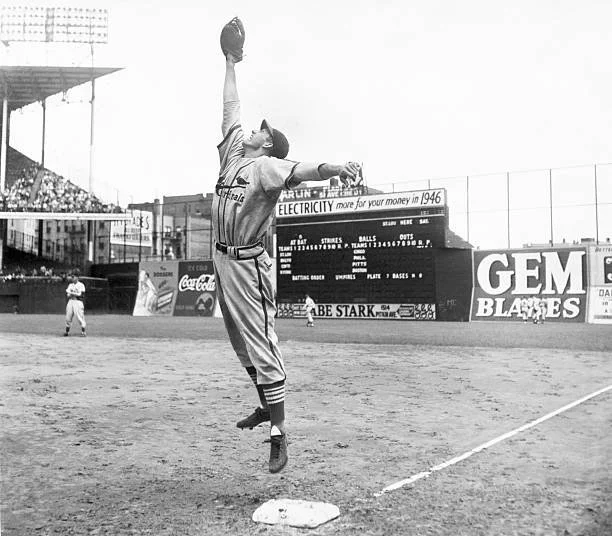
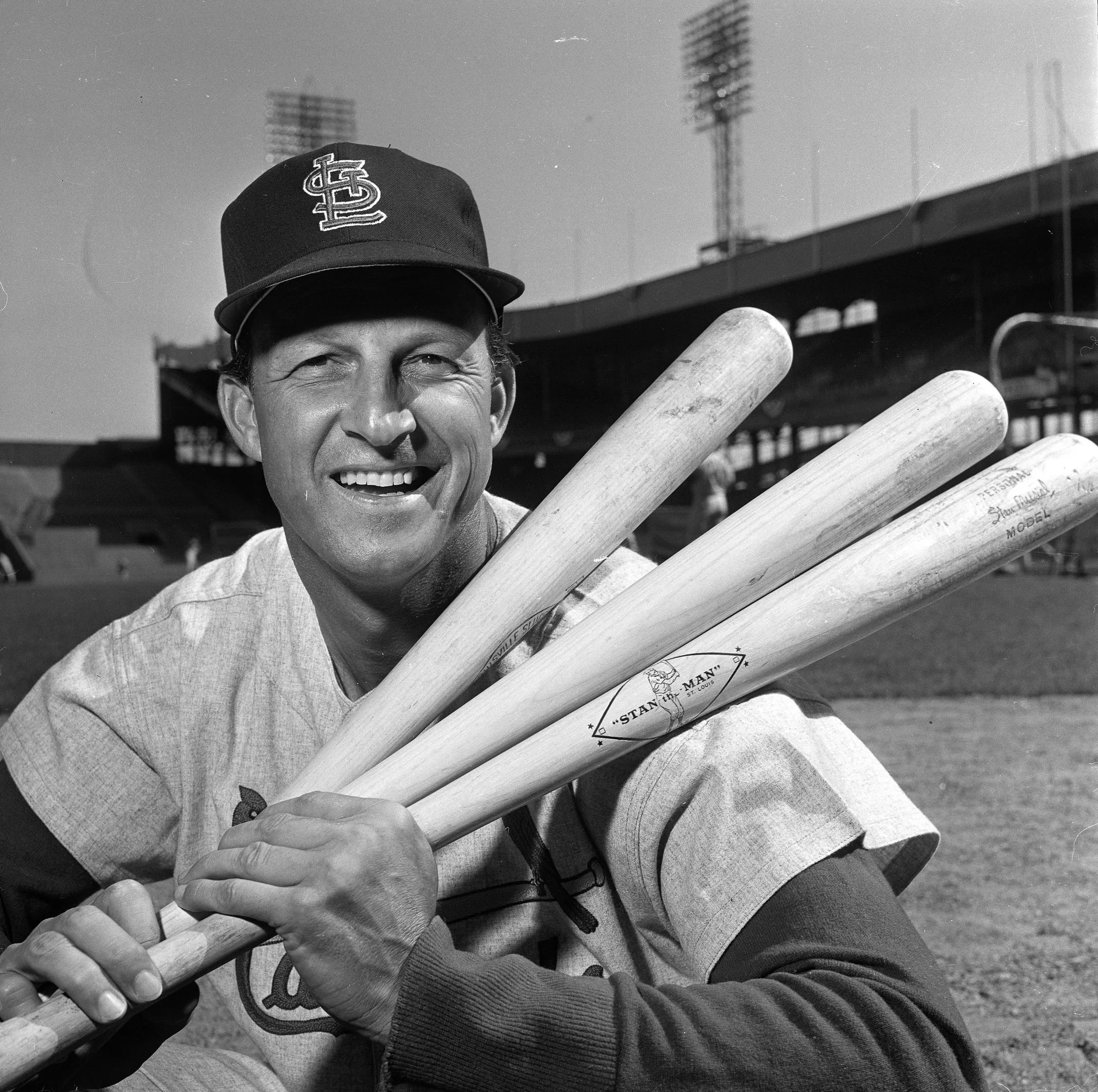
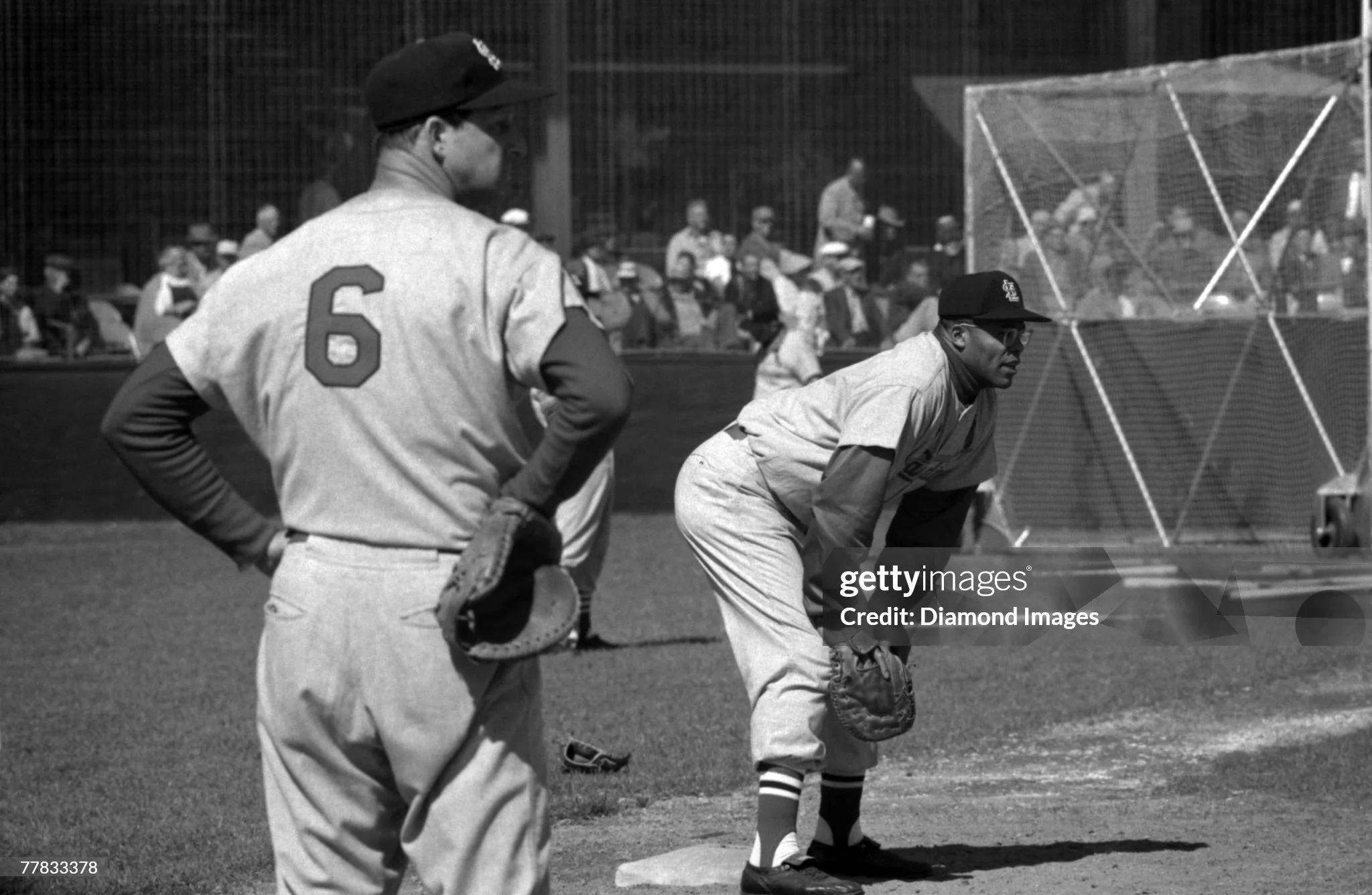
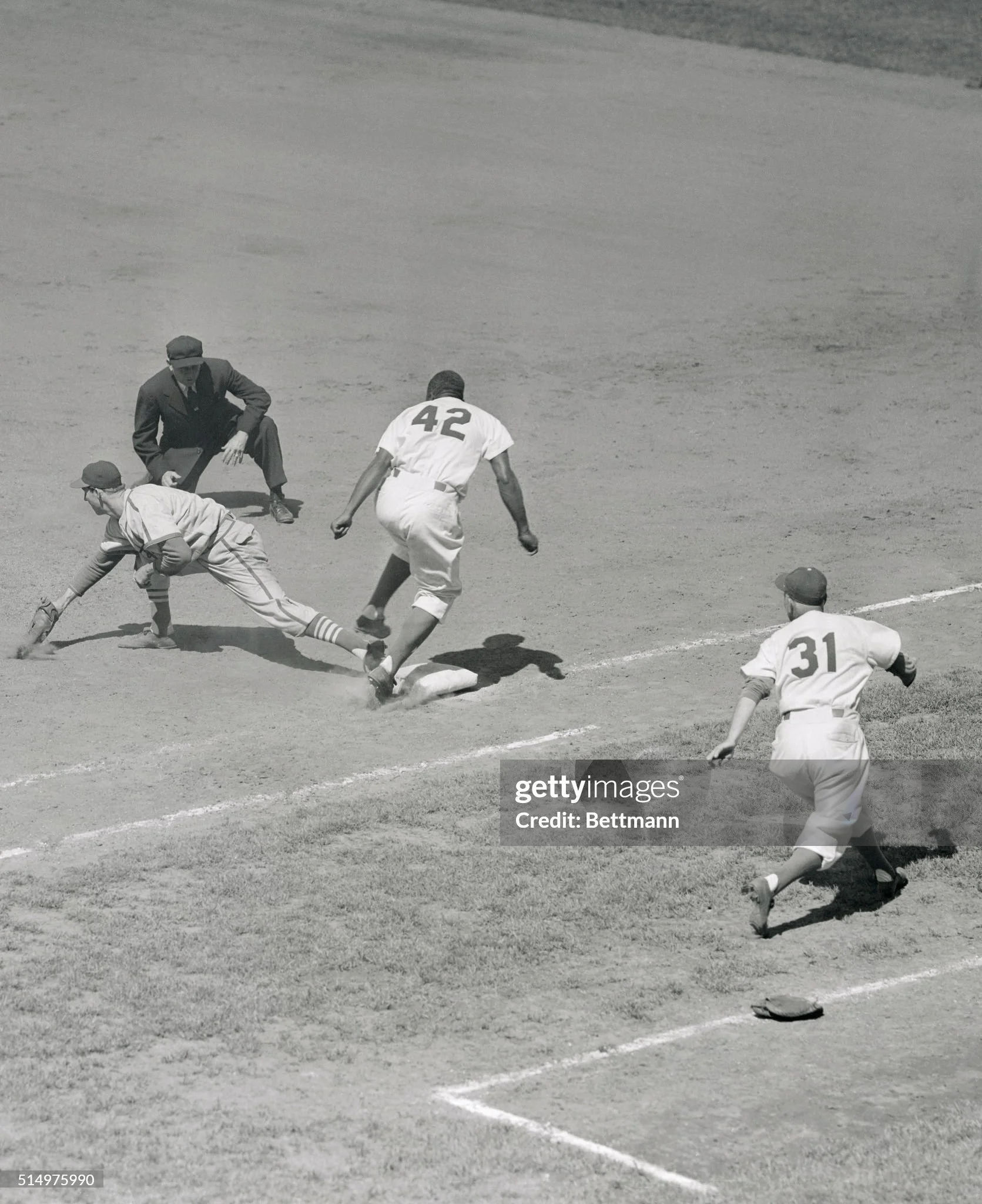
That’s the kind of baseball history I love, because it reminds me the glove wasn’t the beginning of the story. It was the reward for everything that came before it. That lesson is easy to admire from a distance and a lot harder when the question shows up in your own dugout.
A few weeks ago, one of the guys on my 40-plus men’s league team asked if I wanted to take a couple of innings at shortstop. I didn’t ask how many innings, who was pitching, or even look toward the hole between second and third.
“Absolutely not!”
Everybody laughed, somebody else grabbed a glove, and the inning moved on. At the time, it felt like the obvious answer — and it really was. But does that mean I’m not sitting here thinking about sliding over to shortstop during pregame, taking some reps there during fall ball, or trying it in a scrimmage or two? I’ll let you decide.
Let’s be clear: I’m not comparing my men’s league career to Stan Musial’s—one story ends with a Hall of Fame plaque and a long line of signature Rawlings gloves spanning multiple positions. The other ends with me hoping my knees and hamstrings survive nine innings. But the lesson still travels.
Musial didn’t become great because baseball stopped challenging him. He became great because he kept adjusting. He kept taking the reps. He kept finding ways to answer whatever the game asked next.
The Musial Trapper isn’t simply a piece of leather connected to one of baseball’s greatest players. Every signature glove exists because someone solved a baseball problem.
Musial remained deeply connected to the St. Louis community throughout his life, of course served his country during World War II, and in 2011 received the Presidential Medal of Freedom. During the ceremony, President Barack Obama described him as “an icon, untarnished... a beloved pillar of the community, a gentleman you’d want your kids to emulate.”
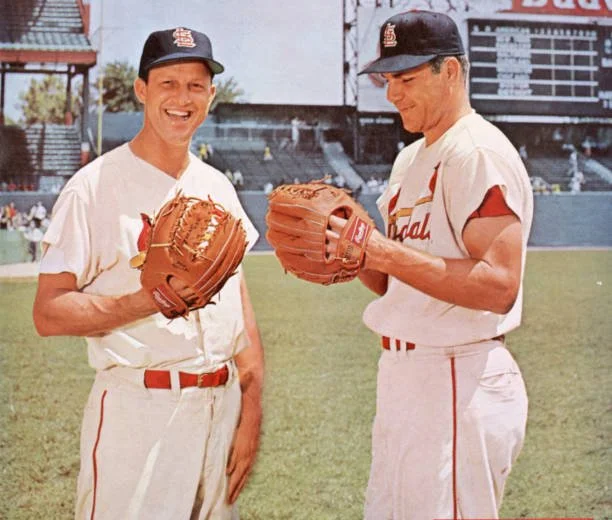
Reading that, I realized maybe Stan Musial’s greatest legacy wasn’t the hits, the batting titles, or even the glove that bears his name. It was the example he set.
The Ballers return home this weekend after leading in games before Long Beach pulled away late. They’ll get plenty more opportunities to answer the questions this road trip asked, and to make the kind of small adjustments that pay off over the course of a season.
At one point, baseball gave Stan “The Man” Musial another problem to solve. He answered with reps. The glove wasn’t the story. It was the reward for the work.
Kyle Robinson is a transplanted Texan with a lifelong passion for the game of baseball. Residing in Oakland with his wife Randi, their daughter India, and a menagerie of pets. When he’s not slyly convincing his wife to name their pets after legendary baseball broadcasters (e.g. our corgi Milo Hamilton Robinson) he is probably balancing parenthood with trying to cram in as much baseball as possible. Whether it’s keeping the dream alive as a weekend warrior behind the dish, or on the sideline as a coach, volunteering, rest assured he has baseball on the brain. Find him on Instagram: @krob452
