

Glove of the Series: @Long Beach Coast, and The Second Half Begins
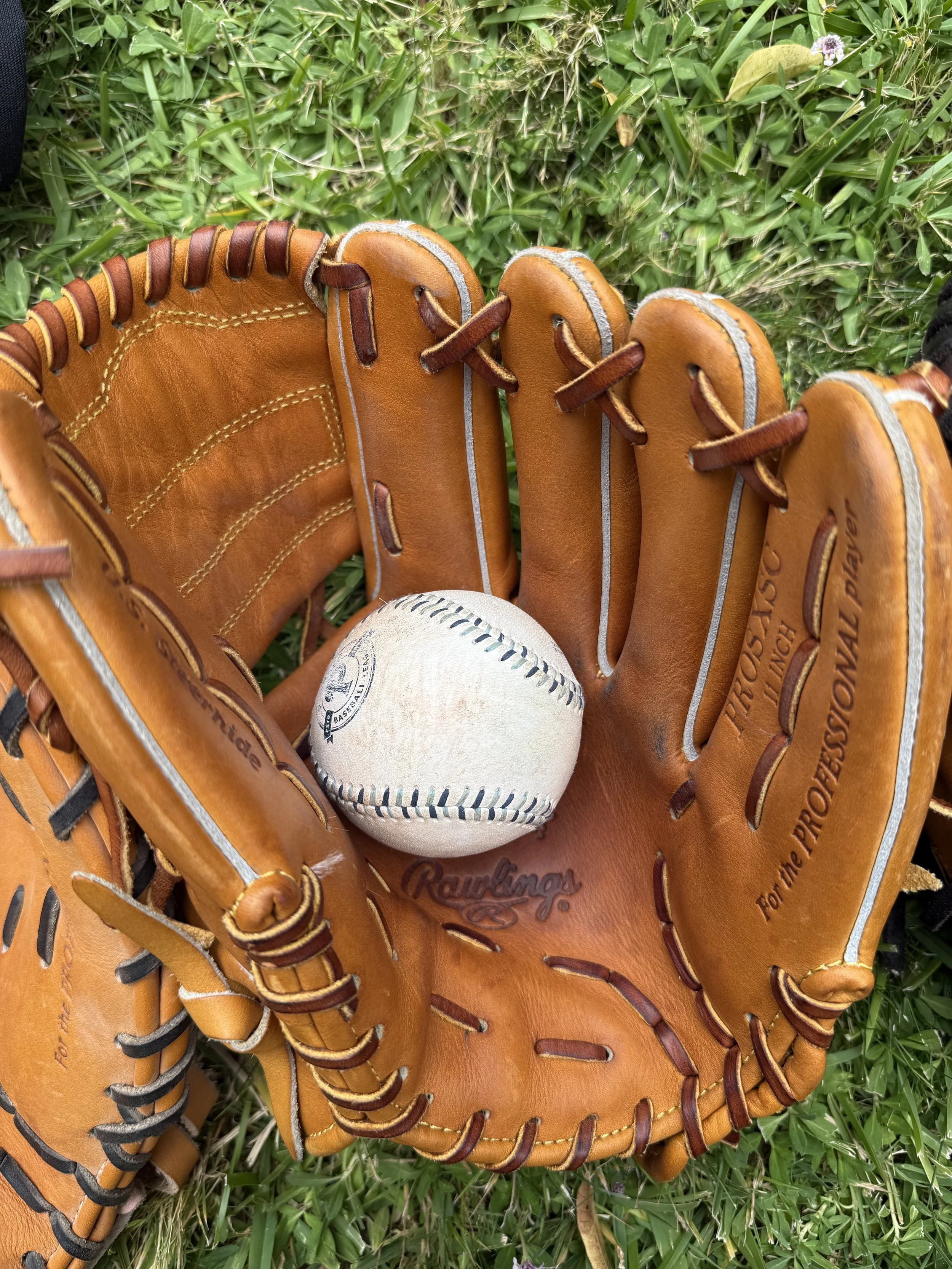
Glove of the Series: Rawlings Heart of the Hide PROSXSC
by Kyle Robinson
The Ballers head south this week for another meeting with the Long Beach Coast carrying something they didn’t have the last they met: a little more confidence.
Oakland’s weekend against the Yuba-Sutter Freebirds was the kind of course correction this club needed to wrap up the season’s first half. The offense kept producing and the pitching was straight-up good and good when it counted. And in the middle of it all was Tremayne Cobb Jr., the Knockout Round King himself.
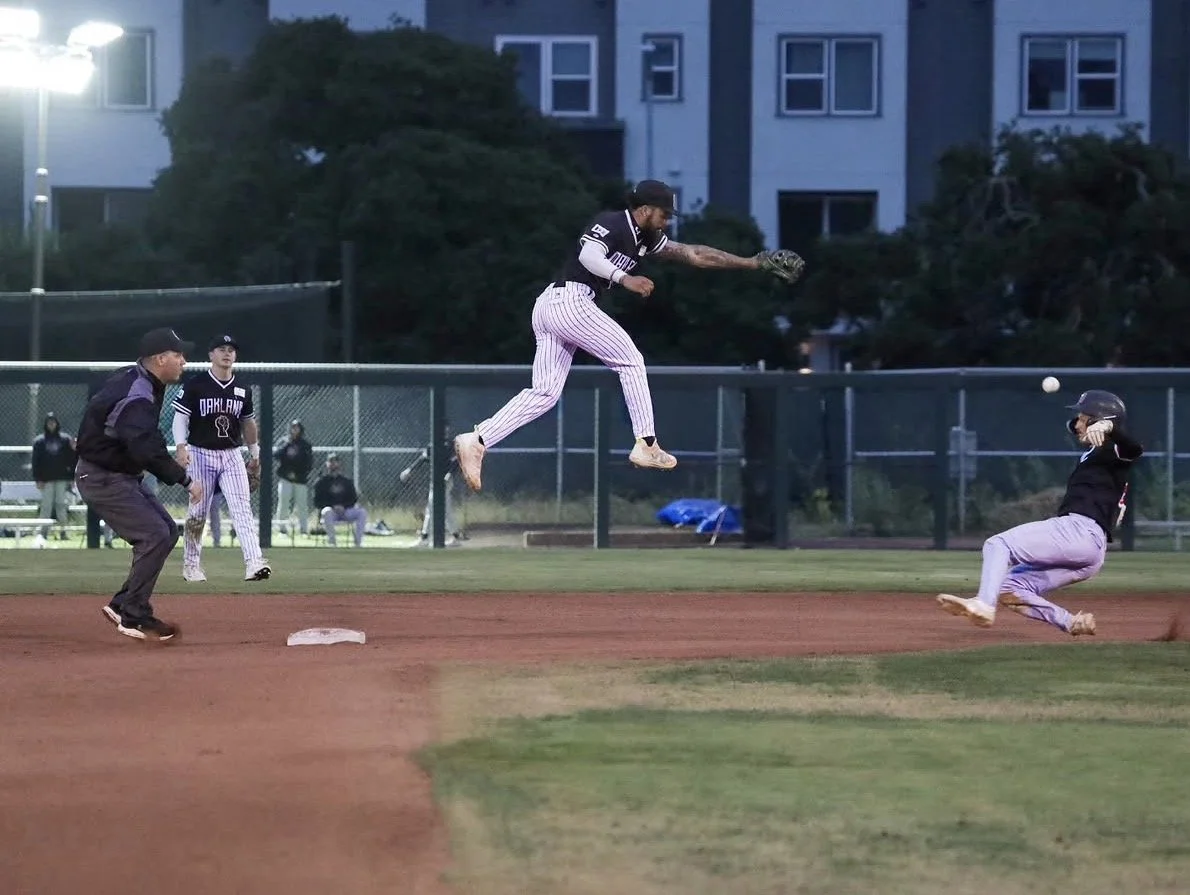
Cobb is one of Oakland’s tone-setters. He’s listed as an infielder, but night after night he has been the shortstop at the center of the action, hitting at the top of the order, creating pressure on the bases (25 steals in the first half, good for third in the league), and giving Oakland the kind of defensive presence that can settle an entire infield. When the Ballers are playing clean baseball, Cobb is usually in the center of it.
Now comes another measuring stick.
Long Beach has spent much of the season at or near the top of the Pioneer League. Their 37-11 first half record is identical to the one the B’s had at the same point last season on their way to the PBL modern-era record of 73-23. This year’s team gets another chance to see how much progress they have made since these clubs last met. The Ballers have already shown they can trade runs with the Coast. This week is about proving they can consistently play the kind of complete baseball needed to beat the best who have now already qualified for the playoffs and might not have their same competitive edge.
Shortstop and second base, of course, have a way of revealing how clean a team really is. Routine ground balls. Clean feeds. Double-play turns with a runner bearing down. The transfer often has to begin before the catch is even finished.
That’s what has stood out watching Cobb & Co lately. The bat and the speed are easy to notice. The knockout moments are easy to remember. But the steadiness at shortstop is just as important. A club can survive a lot when the middle of the field is organized, when the ball is being caught cleanly, and when the first throw of a play gives everyone else a chance to finish it.
The Oakland infield lately has reminded me of something baseball players have been debating for generations, and a conversation I had this weekend in the dugout between innings. How should a glove play? Every player has their own opinion, and none of them are identical.
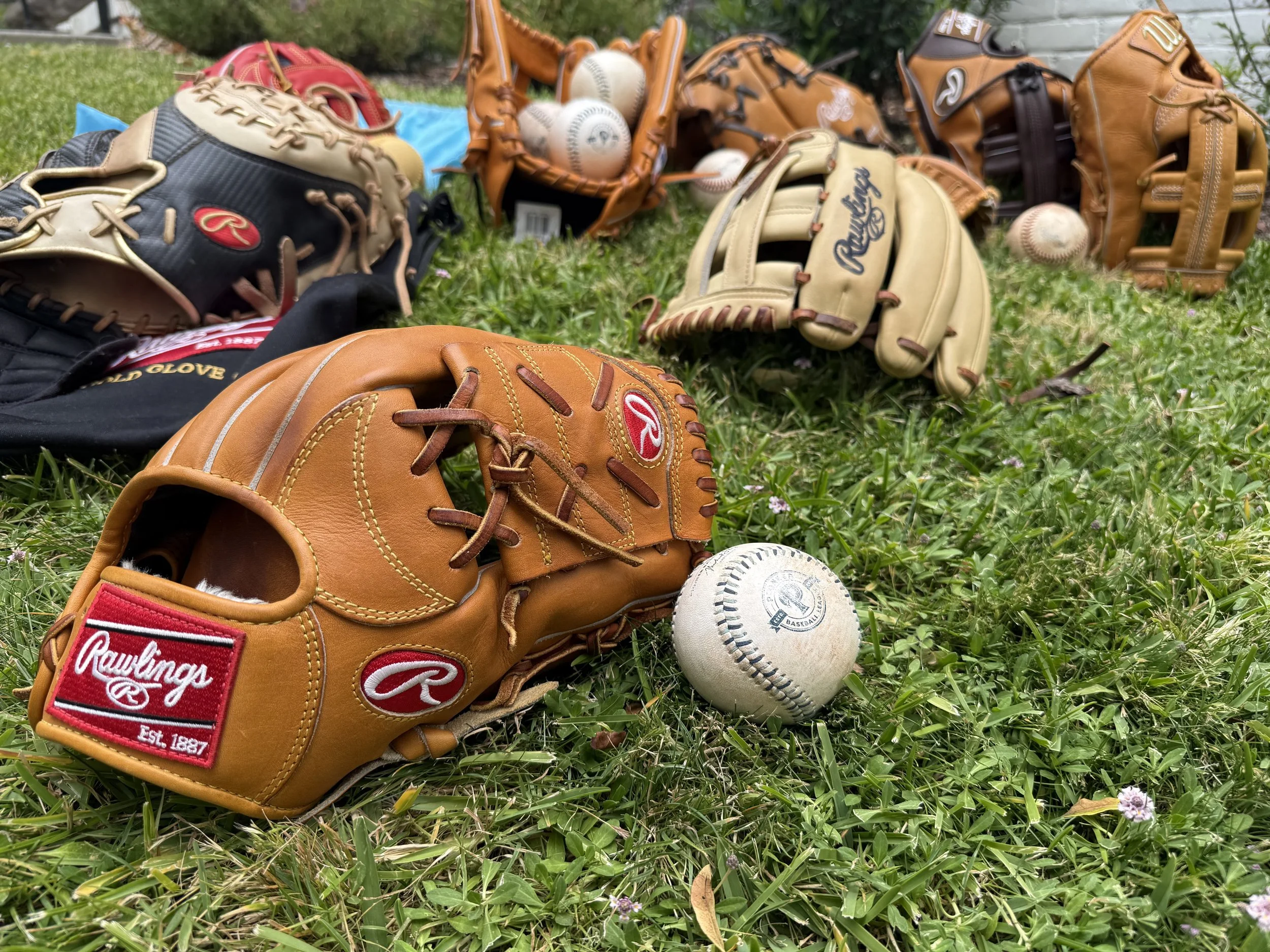
Every dugout eventually has some variation of this conversation: How do you like your glove broken in? More importantly, how do you like it to play? One finger out or the whole hand in? Two in the pinky or traditional? Finger shift? Long laces or tight laces? Keep it stiff enough to stand on its own, or work it until it folds like an old wallet?
After enough innings those opinions become part of a player's baseball identity. Ask someone why they prefer a certain pattern, a certain break-in, or even a certain brand, and the answer usually isn't, "Because it's the best." More often, it traces back to a coach, an older teammate, or a player they admired growing up. Somewhere along the way, they watched someone they wanted to emulate and, without even realizing it, started shaping their own game around the same equipment.
For me, that player was Craig Biggio.
If you ask anyone who's ever played with me, they'll probably tell you to be careful before picking up my equipment. There's a good chance it's covered in pine tar, just like Biggio's always seemed to be. Maybe it was because he started his career behind the plate before reinventing himself at second base, then center field, then left field, and eventually back at second. Maybe it was because he did all of that while collecting more than 3,000 hits and earning a place in Cooperstown.
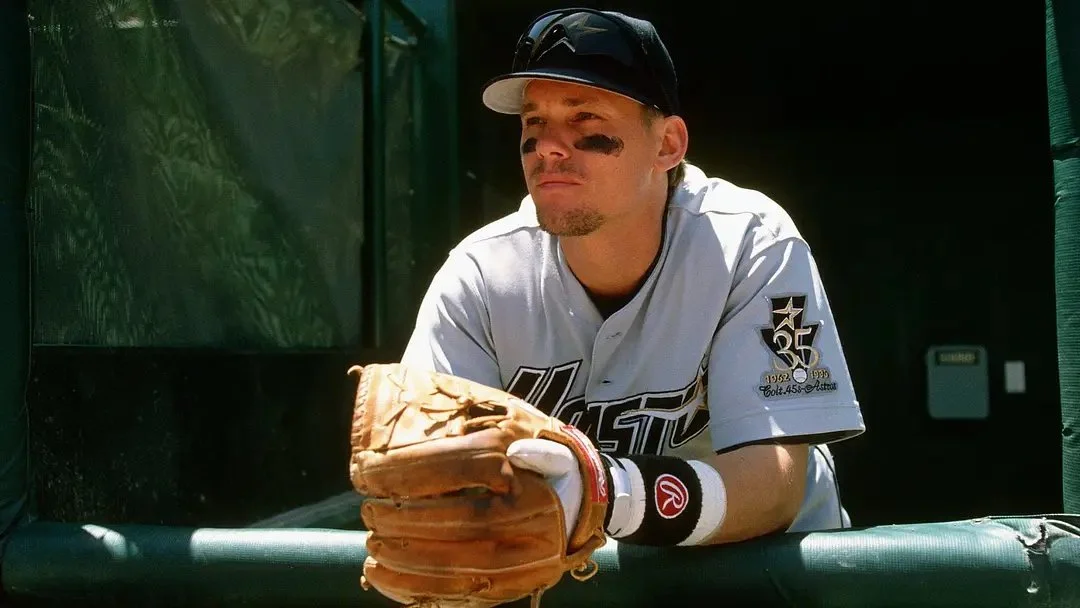
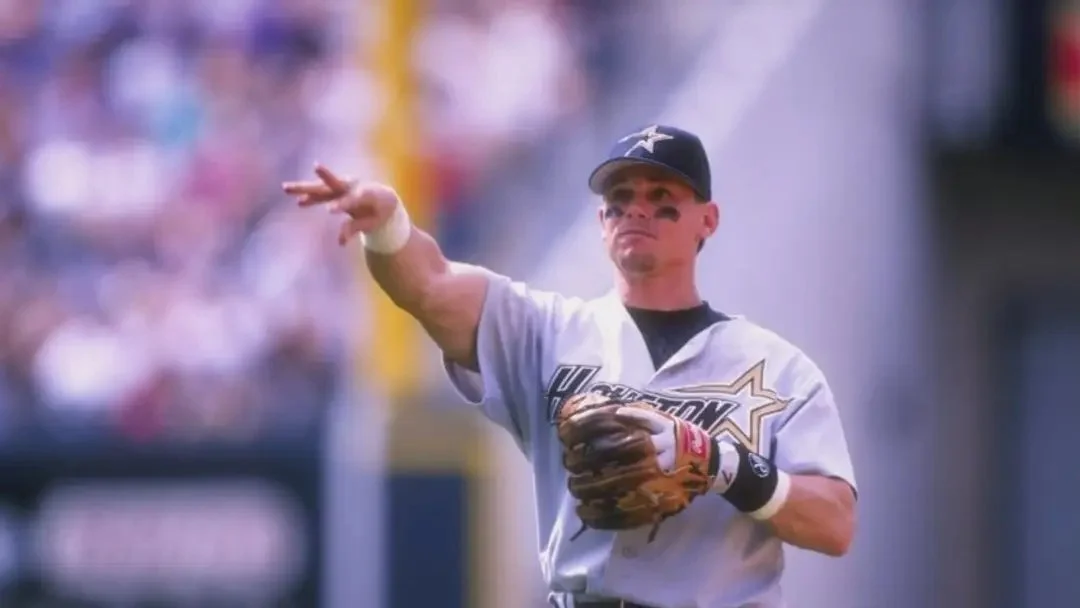
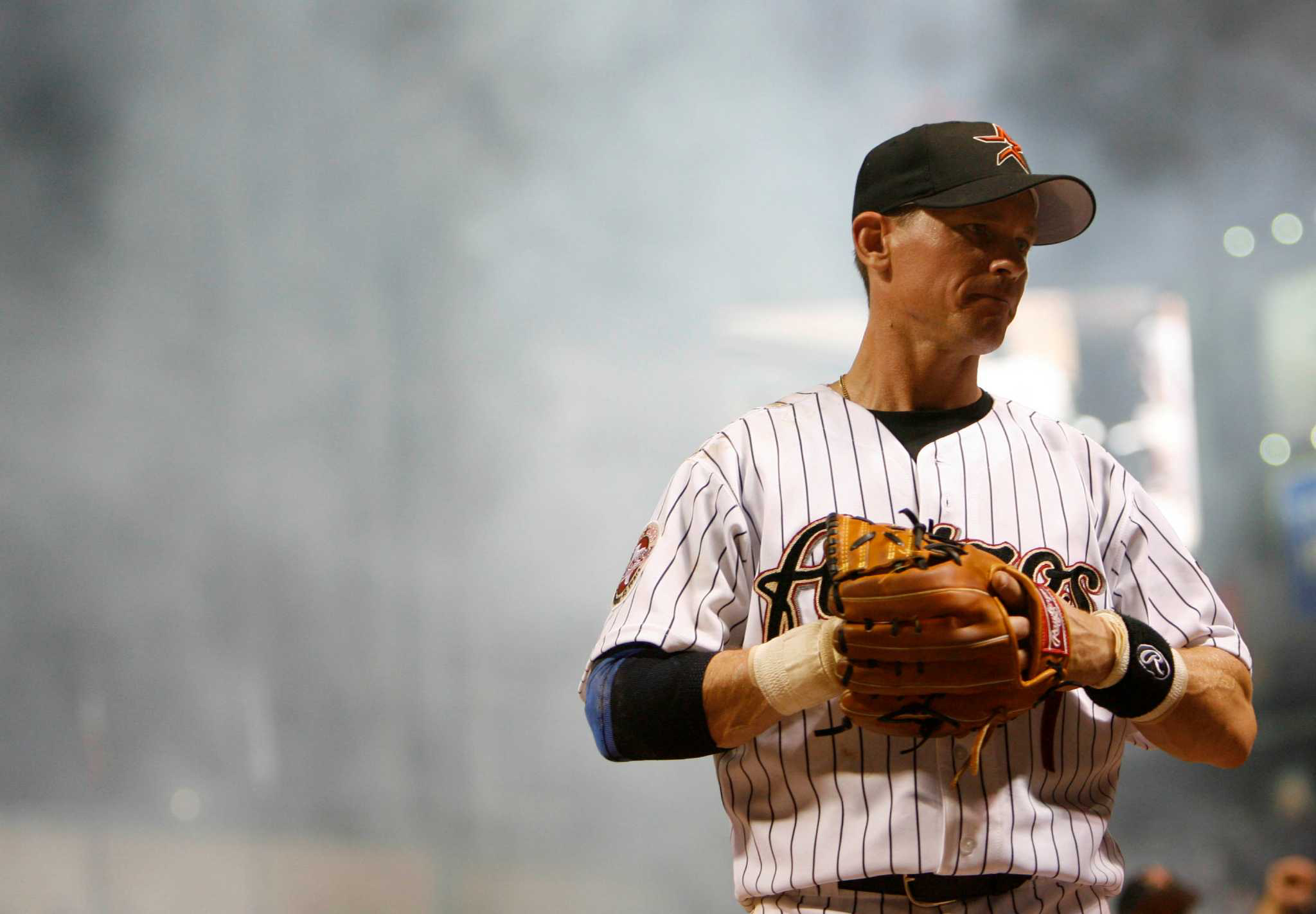
Whatever the reason, when Biggio ran out to his position at second, he did so with one of those compact one-piece web gloves that seemed to be just barely bigger than his hand. So when I came across this glove on the market, I knew it wasn't the exact Rawlings pattern that Biggio used, but it represented the same philosophy: catch it, find it, throw it. Back then, smaller infield gloves felt much more common, especially for players whose games depended on quick hands and even quicker transfers.
The more I researched this glove, the more Omar Vizquel kept appearing, and for good reason. Rawlings officially lists and markets this glove as a tribute to one of the most iconic gloves in baseball history made famous by Vizquel.
One of the best pieces of history I found wasn’t in a Rawlings catalog or a collector forum. It was a Smithsonian profile of legendary Rawlings glove designer Bob Clevenhagen. In it, Clevenhagen tells the story of Vizquel needing a glove during spring training. Clevenhagen had one ready, but it would take a few days to add the usual Heart of the Hide logos and markings. If Vizquel was willing to skip the cosmetic details, Clevenhagen could ship it the next day.
Vizquel said yes.
Years later, according to Clevenhagen, Vizquel was still using that same glove, still made without the writing.
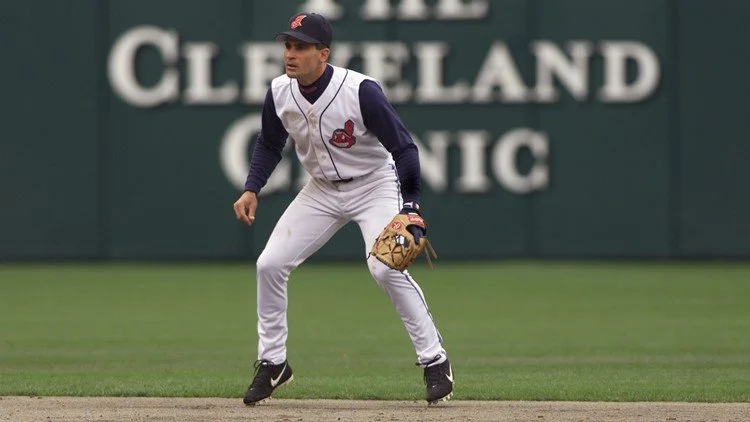
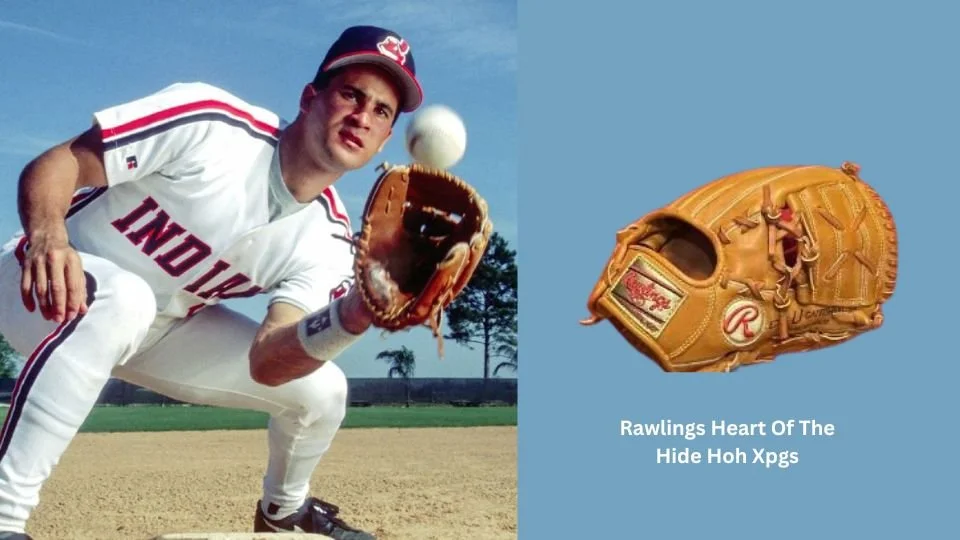
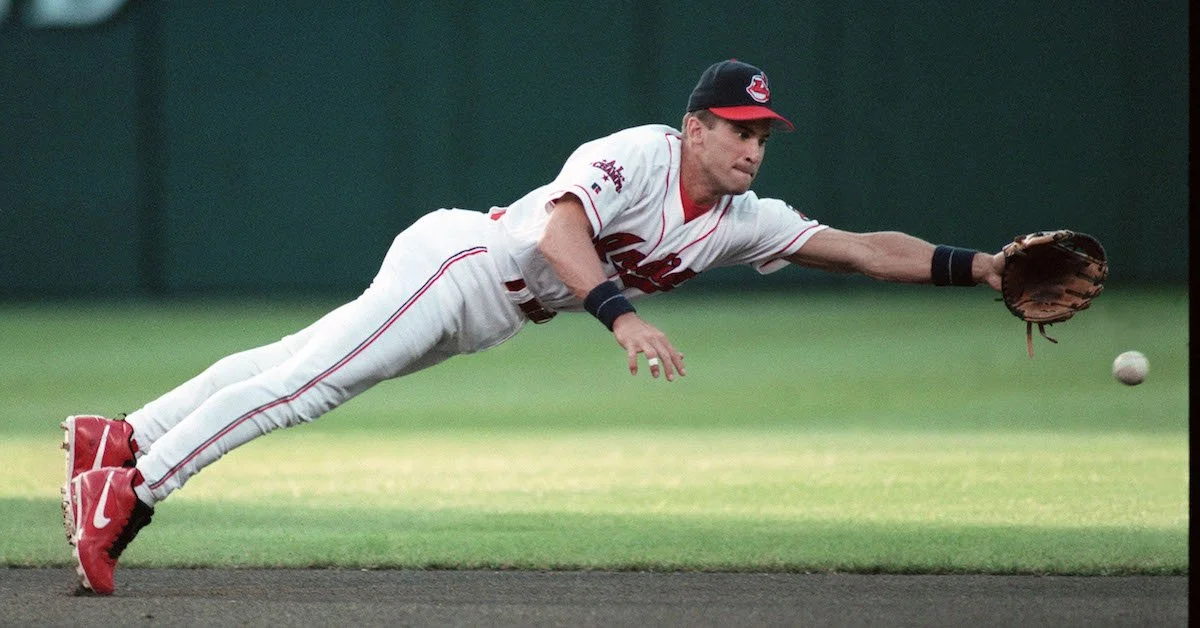
That fascinated me—not just because Vizquel stayed loyal to Rawlings, but because he stayed loyal to a pattern.
Clevenhagen estimated that nearly every Major League player sticks with the same glove model throughout his career. Once a player finds the glove that matches the way he believes baseball should be played, very few want to start over. For a middle infielder, that makes perfect sense. A glove pattern isn’t just leather arranged a certain way. It’s timing. It’s pocket memory. It’s where your hand expects the baseball to be before the transfer ever begins. Once that rhythm becomes second nature, changing gloves isn’t nearly as simple as buying something new.
At just 11 inches, the PROSXSC is the smallest non-youth glove I own. Sitting next to my 11¾-inch 205s and the new 12¼-inch KB17, it almost looks like it belongs to another era, and in many ways, it does.
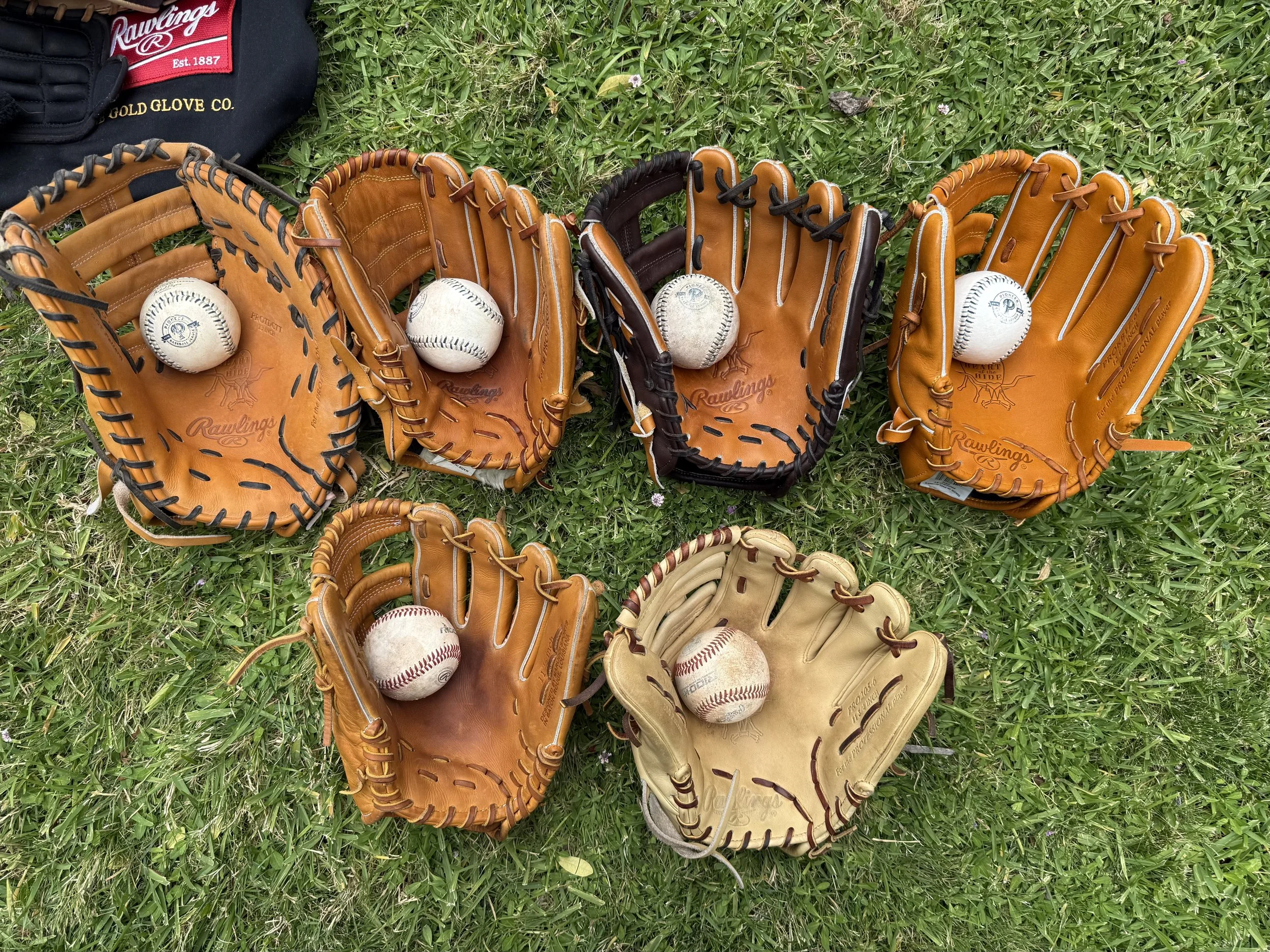
Clevenhagen explained that infielders generally want the baseball near the base of the fingers where it can be found quickly with the bare hand. Outfielders are more comfortable letting the ball settle deeper into the web because securing the catch is the priority.
The PROSXSC isn’t trying to be a safety net. It’s trying to be a relay point. Everything about the pattern encourages the baseball to arrive, be controlled, and leave again as quickly as possible. The glove does not want to keep the ball; it wants to stop it, and get it on to its next destination.
Modern baseball has gradually answered the glove question a little differently. Exit velocities are higher, infielders cover more ground, and larger gloves offer more forgiveness on difficult hops. More leather gives players more margin for error.
There’s nothing wrong with that. It’s simply a different philosophy. A glove isn’t just leather; it’s somebody’s opinion about how baseball should be played. The PROSXSC believes quick hands matter. That’s where the middle of the diamond earns its reputation. The routine ground ball, the clean feed, the quick turn, and the throw that arrives on time only sometimes end up on a highlight reel, but they have a habit of deciding close baseball games.
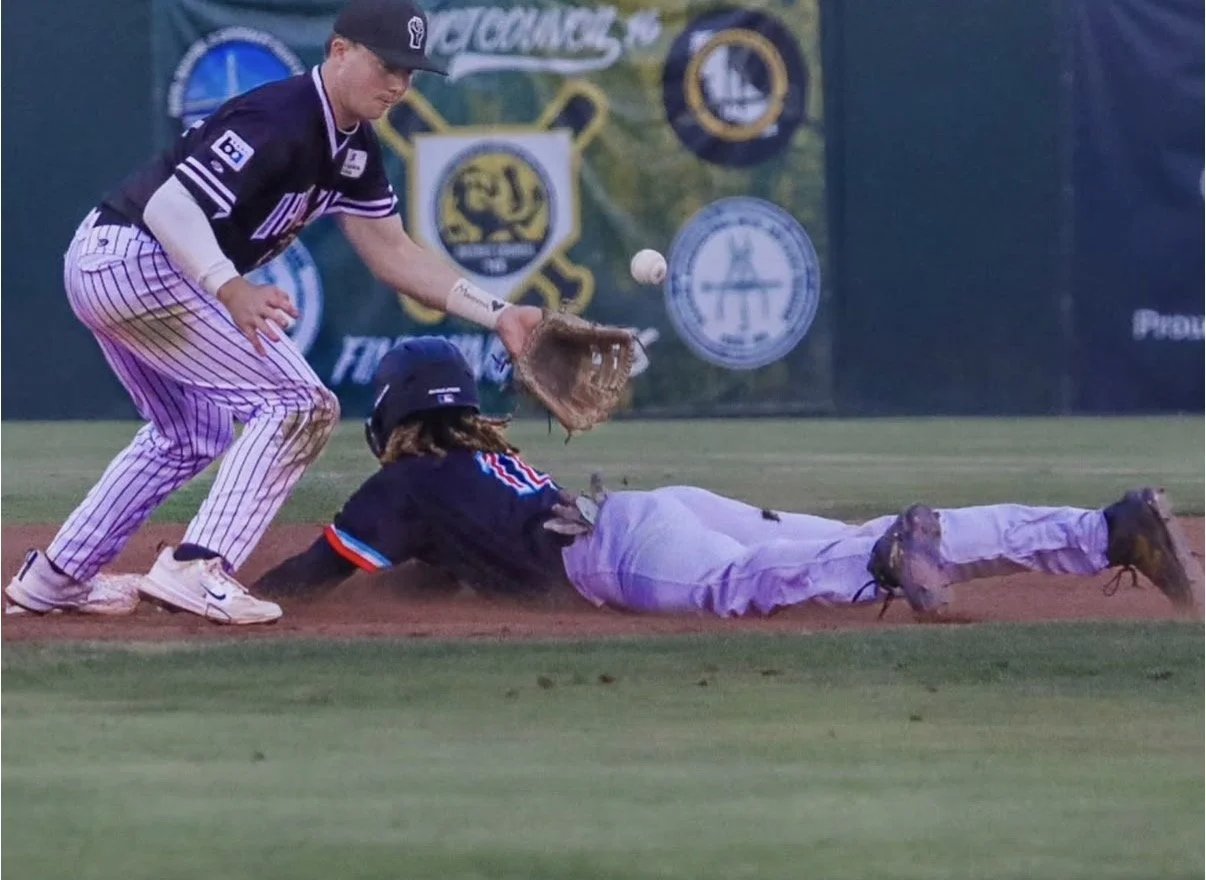
Watching players like Tremayne Cobb today, remembering Biggio and those Killer B’s from Astros of the NL Central days, and brushing back up on players like Omar Vizquel, I keep coming back to the same basic conclusion: the glove eventually disappears, and not because it doesn’t matter, but because it fits the player so well that he stops thinking about it altogether. The perfect glove is perfect for the way you believe the next play can be made.
Photos from Maximum Effort Photos.
Kyle Robinson is a transplanted Texan with a lifelong passion for the game of baseball. Residing in Oakland with his wife Randi, their daughter India, and a menagerie of pets. When he’s not slyly convincing his wife to name their pets after legendary baseball broadcasters (e.g. our corgi Milo Hamilton Robinson) he is probably balancing parenthood with trying to cram in as much baseball as possible. Whether it’s keeping the dream alive as a weekend warrior behind the dish, or on the sideline as a coach, volunteering, rest assured he has baseball on the brain. Find him on Instagram: @krob452
