

Glove of the Series: @Modesto Roadsters—Ready When It Counts
Glove of the Series: Rawlings Heart of the Hide PROR204U-1CM
by Kyle Robinson
The Oakland Ballers head back to Modesto this weekend for their third meeting with the Roadsters, and by now there is very little mystery between these two clubs.
The first two series have shown that Oakland is capable of competing with Modesto when it plays clean, disciplined baseball. The Ballers dropped the first series 1-2 and won the second at Raimondi 2-1. in The Roadsters have generally been the more consistent club, but the margins have been close enough to suggest this matchup is far from settled. With three games scheduled over Fourth of July weekend, the Ballers have another opportunity to measure themselves against one of the Pioneer League's better teams before the season shifts into its next chapter.
The timing is significant.
The first half of the Pioneer League season is coming to a close, and while the standings haven't developed the way Oakland hoped, the split-season format gives every club another chance to redefine its season. The second half doesn't erase what happened in the first, but it does create a brand-new race. That's one of the things that makes this league unique.
The league itself is also about to change.
Over the next two weeks, the Major League Baseball Draft will reshape professional baseball. Some players will begin affiliated careers, while others will suddenly find themselves looking for another opportunity. At nearly the same time, the Pioneer League will host its annual mid-season tryout camp, giving undrafted players, released professionals, and independent veterans another chance to earn a roster spot. By the time the second half begins, rosters across the league—including Oakland's and Modesto's—could look noticeably different.
Players to Watch
Oakland Ballers
Jeter Ybarra continues to be one of the Pioneer League's premier power hitters, forcing opposing pitchers to be careful every time he steps into the batter's box. His presence changes the way teams attack Oakland's lineup, and the Ballers will need his bat if they're going to keep pace with Modesto's offense.
Tremayne Cobb Jr. has shown all season that he doesn't need many opportunities to change a game. Whether it's creating pressure on the bases or delivering timely extra-base hits, he remains Oakland’s all-around MVP.
Esai Santos represents the kind of versatility every independent club values. As rosters evolve and roles shift throughout the summer, players who can contribute in multiple ways often become some of the most important pieces on a contender.
Modesto Roadsters
Bryce Cannon has developed into one of the Roadsters' biggest offensive threats, combining power with the ability to create offense in multiple ways.
Osiris Johnson gives Modesto consistency in the middle of the lineup, while Kingston Liniak continues to provide length and athleticism that makes the Roadsters difficult to navigate from top to bottom.
None of those players knows exactly when the defining moment of this series will arrive. Sometimes it comes in the first inning, sometimes it comes in the ninth. That's baseball. The players who make the biggest difference usually aren't the ones who know when their opportunity is coming, they're the ones who are ready when it does.
That idea brought me back to this week's glove: the Rawlings Heart of the Hide R2G PROR204U-1CM.
Earlier this week I wrote about one of the nicest gloves in my collection—a Timberglaze Heart of the Hide that spends most of its life beside my desk with a weighted baseball tucked into the pocket and a glove mallet never too far away. It's the kind of glove that rewards patience. You enjoy the break-in because you know it'll probably be around for decades.
The R2G entered my collection for exactly the opposite reason. I wasn't looking for my next heirloom. I had just experienced a glove failure with my old Rawlings Gold Glove Elite during a men's league game, and suddenly I needed a replacement before the following weekend. I wasn't thinking about collector value, leather temper, or how the glove might feel twenty years later. I needed a glove I could trust by first pitch. That's exactly the problem the R2G was built to solve.
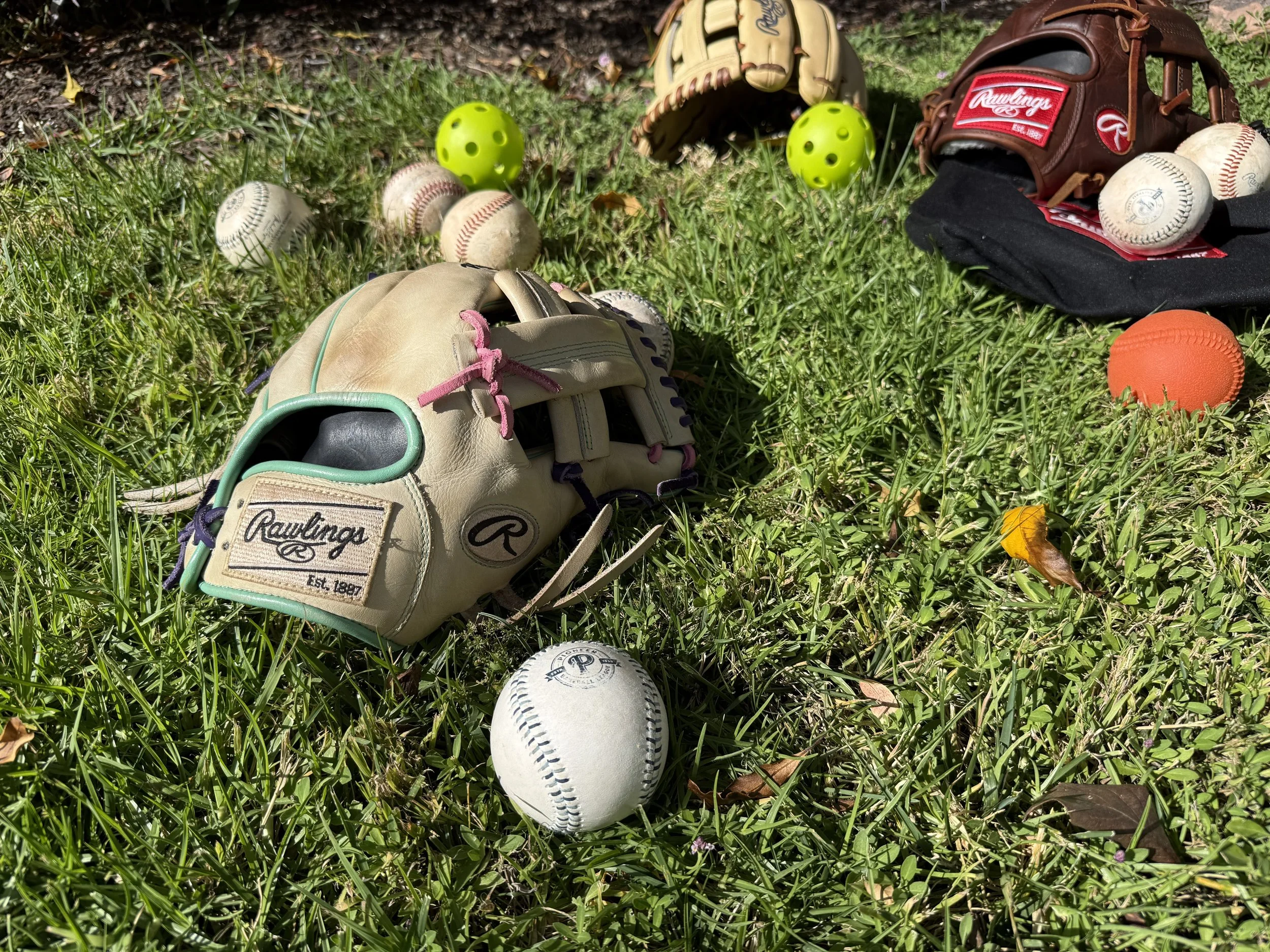
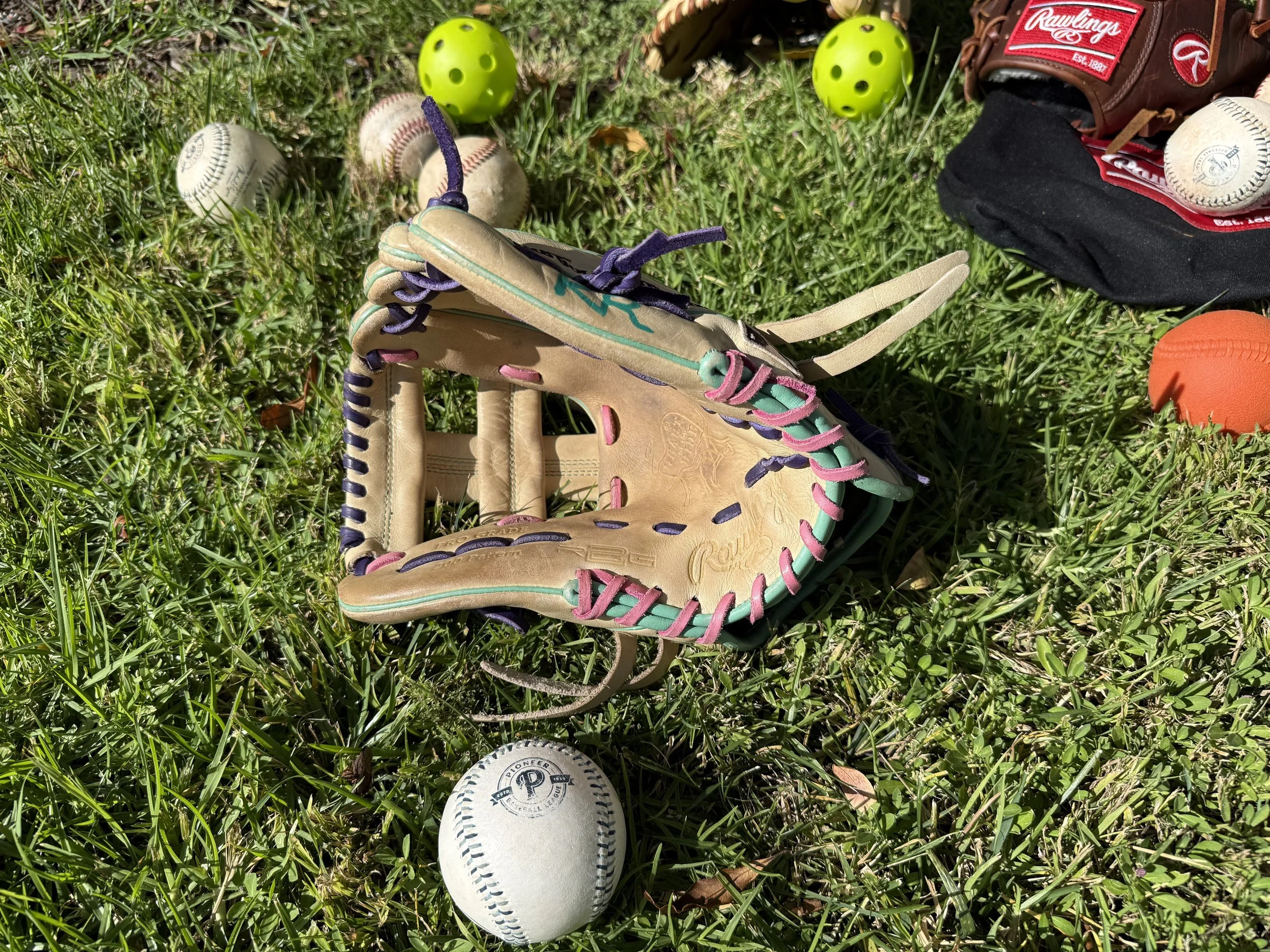
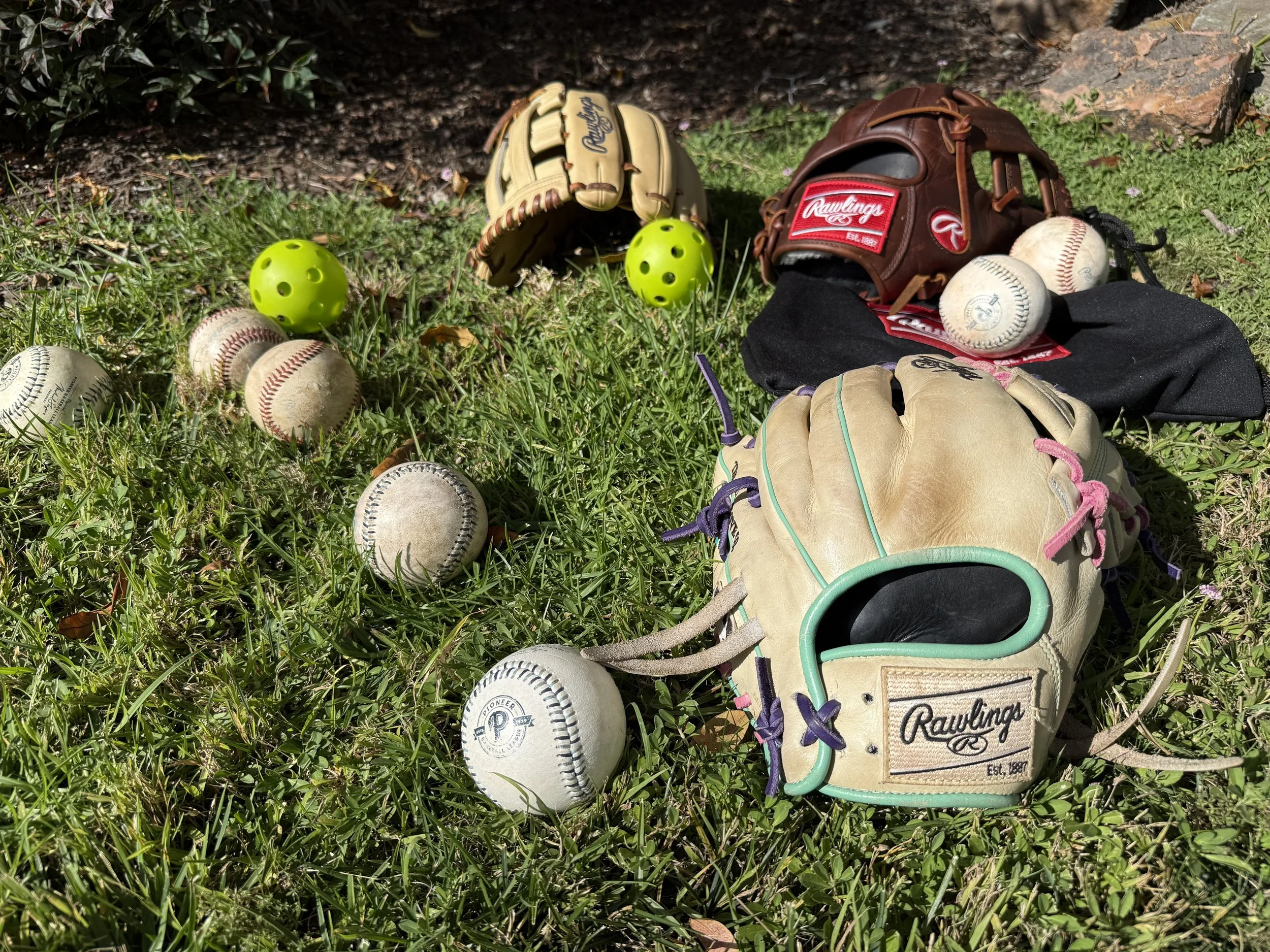
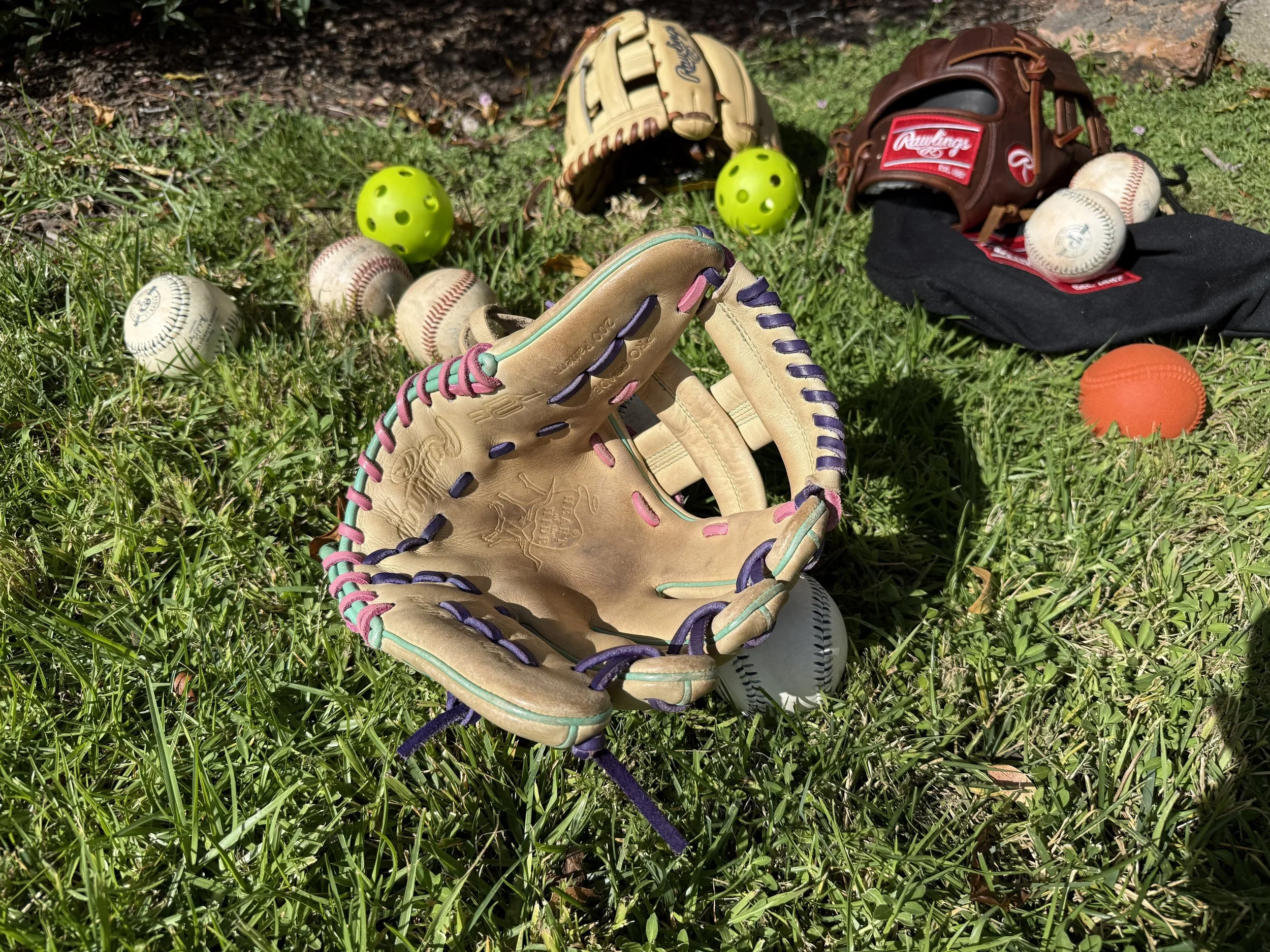
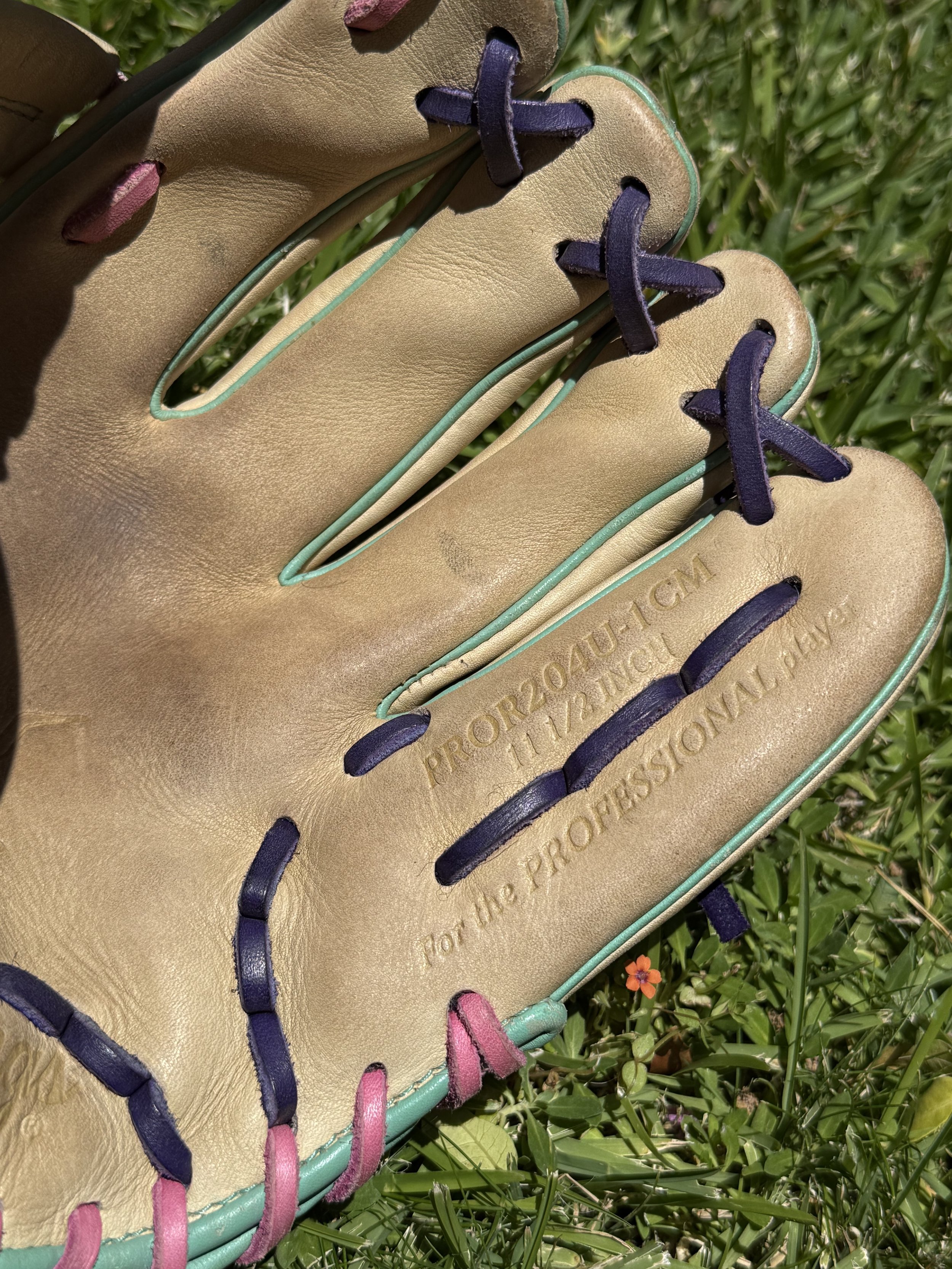
Spend enough time around glove collectors and you'll eventually hear someone dismiss the Ready-to-Go line. The criticisms aren't entirely unfair. Compared to a traditional Heart of the Hide, the leather is intentionally more game-ready, the palm padding is slightly thinner, and the glove requires less player break-in. Rawlings wasn't trying to replace the traditional Heart of the Hide, though. They were trying to build a premium glove that players could confidently take onto the field much sooner.
Interestingly, I wasn't even the customer Rawlings originally had in mind. The R2G was introduced primarily as a bridge for younger players moving into their first premium glove. I was an adult men's league player whose old gamer had simply worn out. Funny enough, we ended up needing exactly the same thing.
The R2G gave me my first Heart of the Hide, but more importantly, it gave me one that was ready when I needed it. Over the years the line has become more expensive, and it isn't quite the bargain it once was. Even so, it still fills a role that very few premium gloves do. A traditional Heart of the Hide asks for patience. A Pro Preferred usually asks for a little more. A Horween—or even the Timberglaze I wrote about earlier this week—asks for more still.
The R2G asks a different question. What if your next game is this weekend?
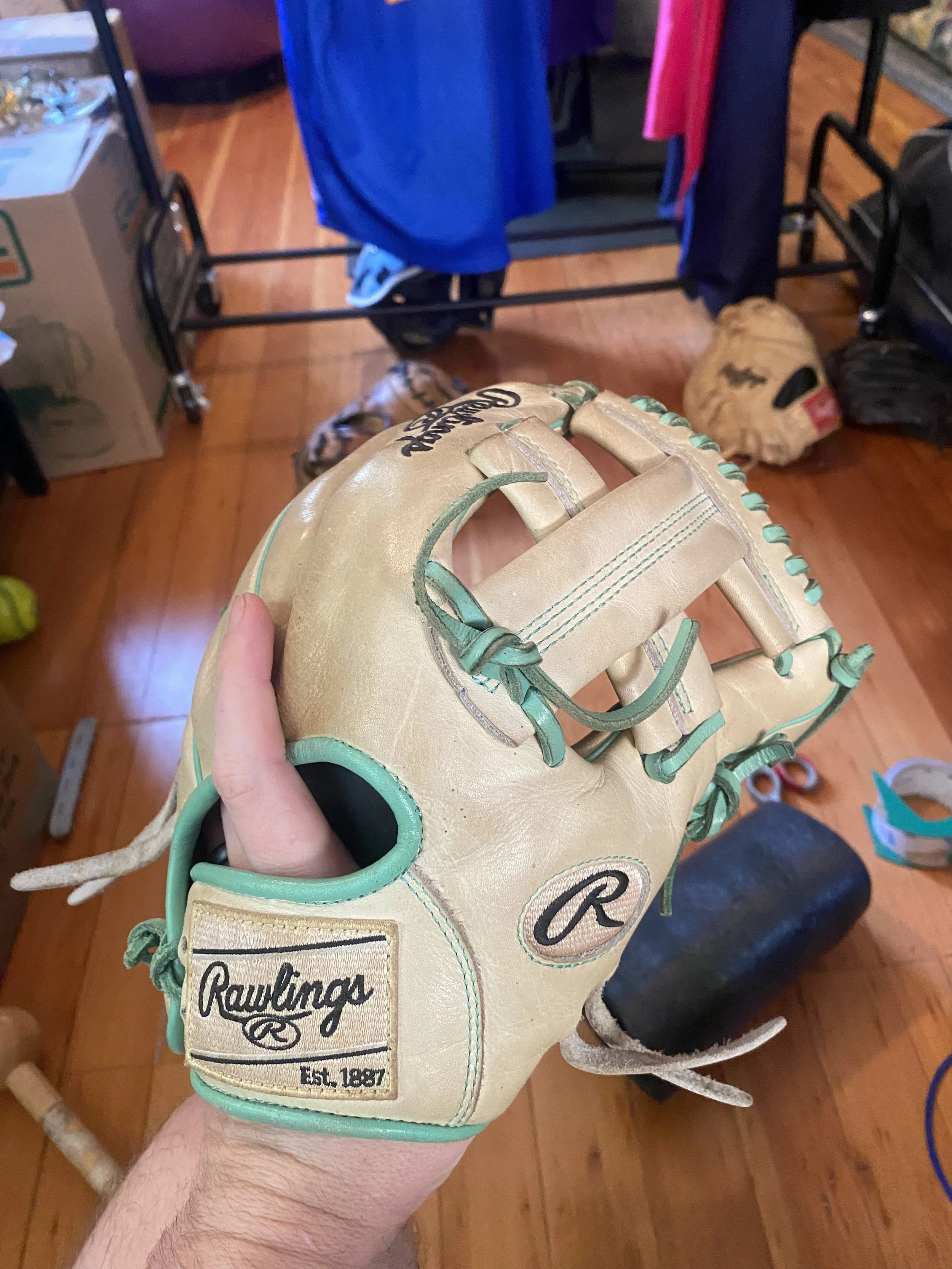
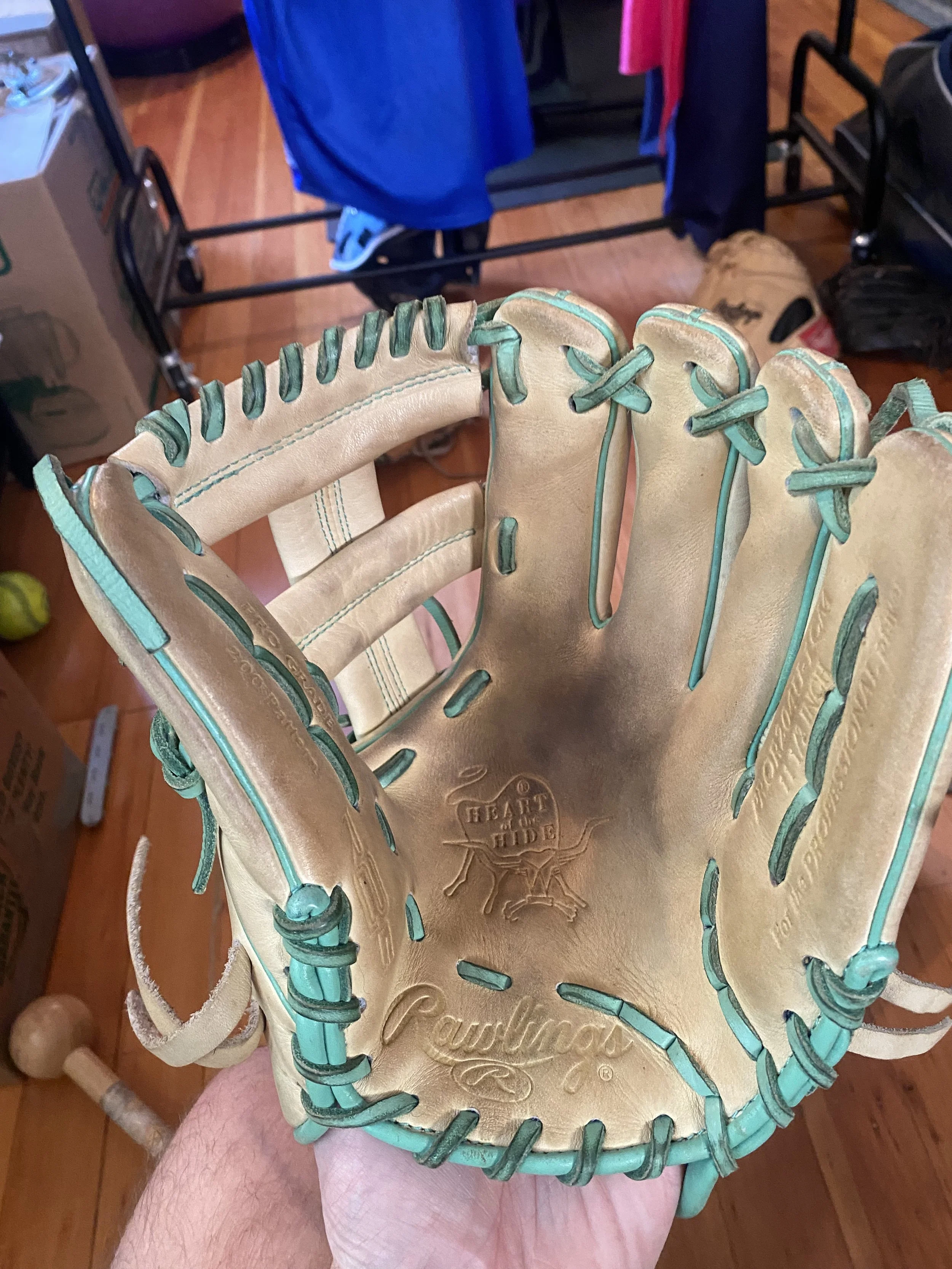
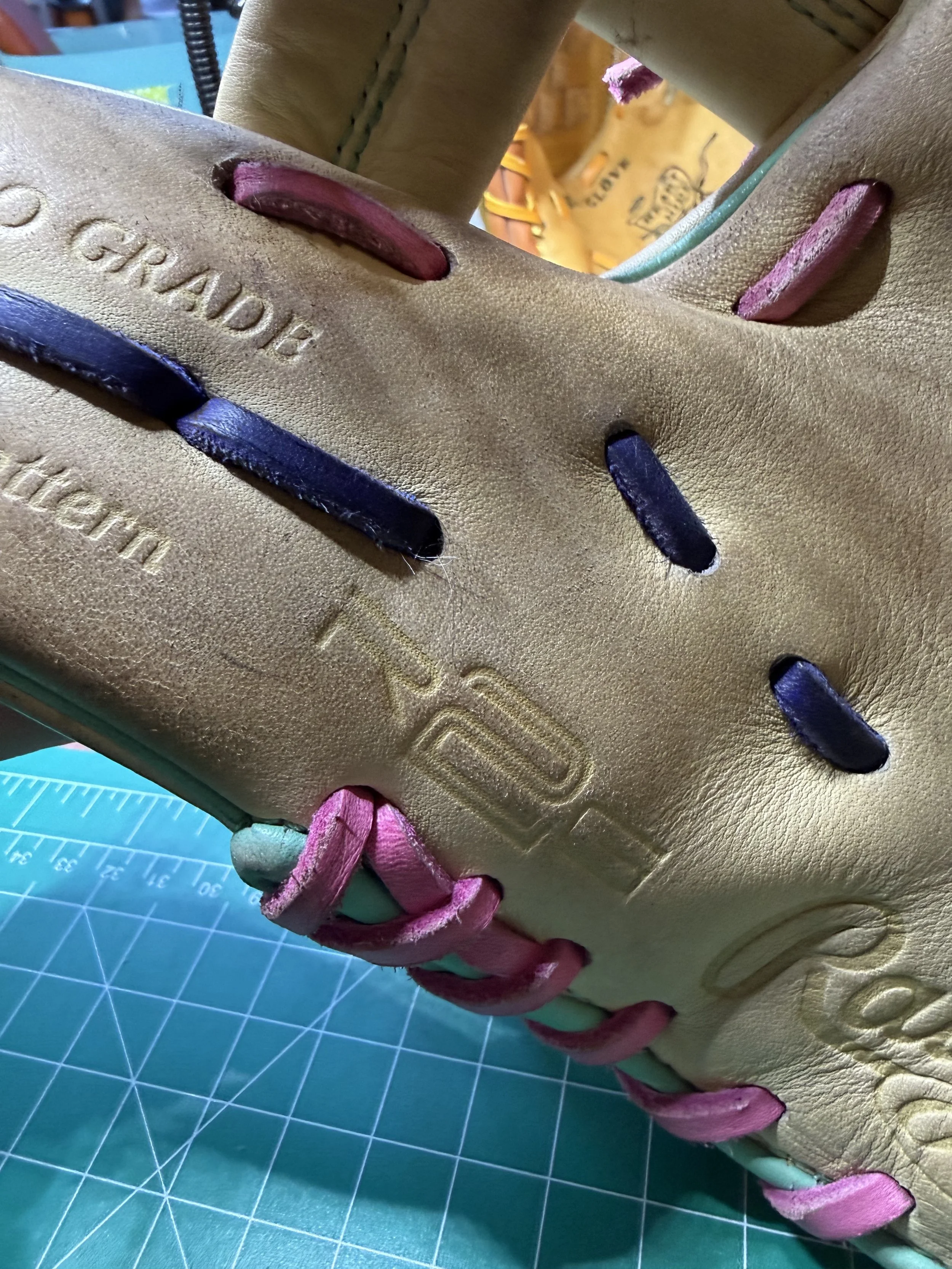
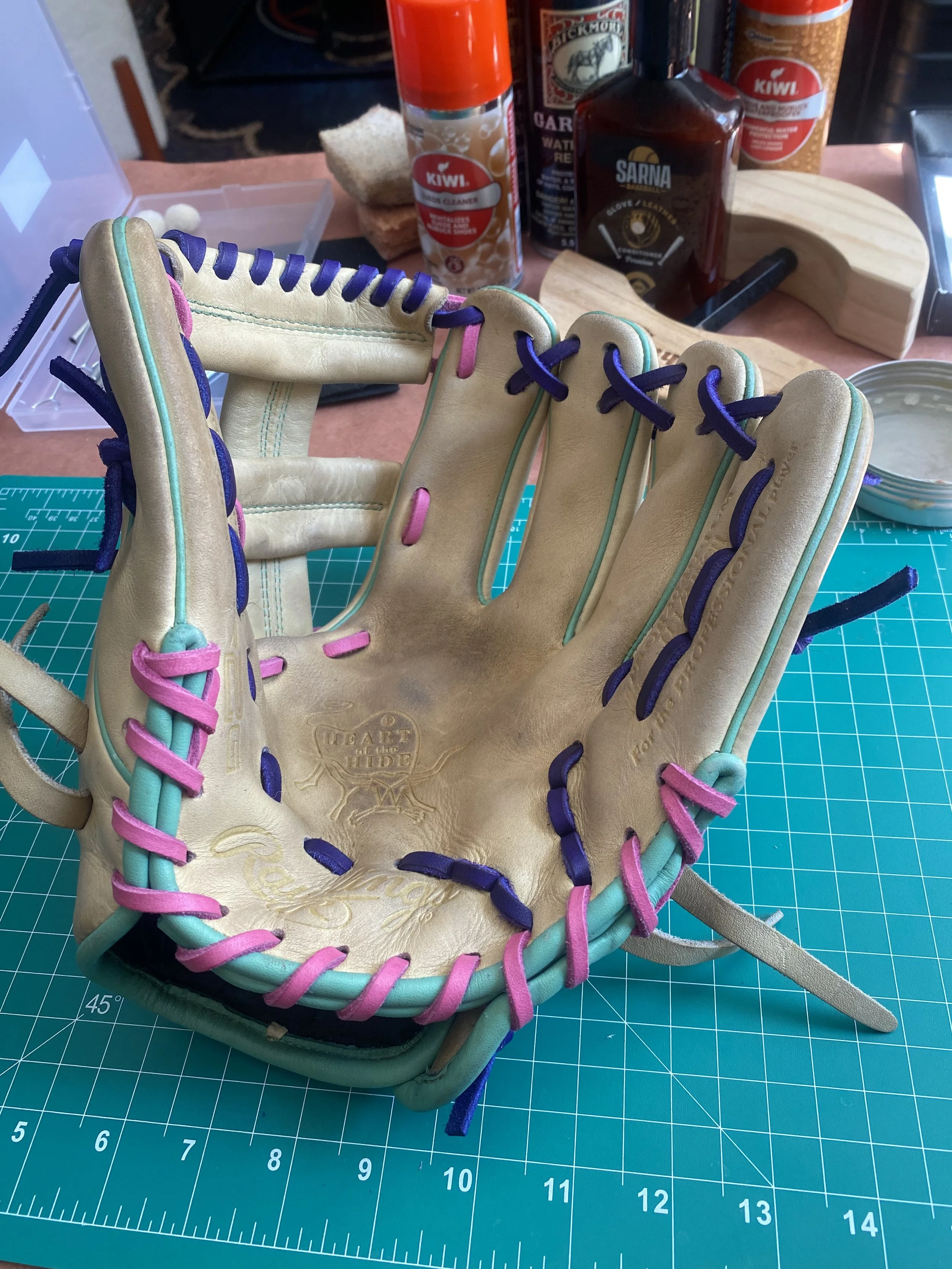
Mine answered that question pretty well.
Since then, this glove has been cleaned, conditioned, relaced, and rebuilt more times than I could honestly count. The original teal laces eventually gave way to purple and pink—not because I wanted to change the glove's identity, but because it had earned another chapter. The palm padding is nearly worn flat, the leather carries the marks of hundreds of innings, and somewhere along the way it even survived getting absolutely blown up trying to field a throwdown at second on one of my friend Austin's fastballs.
Most players probably would've retired it by now. I didn't.
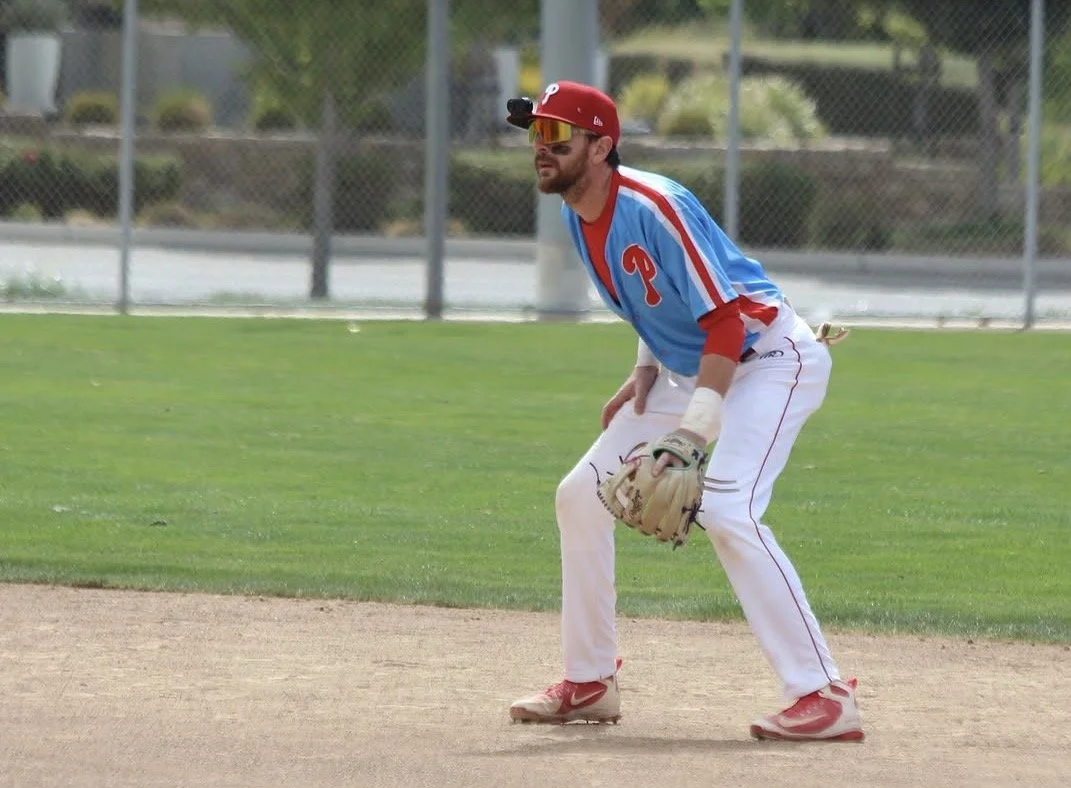
If I hadn't finally decided to preserve it just a little, I'd still have no hesitation strapping it on for a men's league game this weekend. That's probably the highest compliment I can pay any piece of baseball equipment I've ever owned.
One of the more interesting validations of the Ready-to-Go concept came during the World Baseball Classic, when Kansas City Royals first baseman Vinny Pasquantino trusted a custom R2G first baseman's mitt while representing Team Italy. It doesn't prove every Ready-to-Go glove will last forever, but it does remind us that "game ready" doesn't mean "less capable." If the concept can earn the trust of an established major league first baseman on one of baseball's biggest international stages, maybe there's more to the story than internet message boards sometimes suggest.
The Ballers are about to enter the busiest stretch of their season. New players will arrive. Others will move on. The second half will begin with every club trying to write a different story than the first.
Baseball isn't always about having the best glove. It isn't always about being the most talented player on the field. More often than not, it's about being ready when your number gets called.
Kyle Robinson is a transplanted Texan with a lifelong passion for the game of baseball. Residing in Oakland with his wife Randi, their daughter India, and a menagerie of pets. When he’s not slyly convincing his wife to name their pets after legendary baseball broadcasters (e.g. our corgi Milo Hamilton Robinson) he is probably balancing parenthood with trying to cram in as much baseball as possible. Whether it’s keeping the dream alive as a weekend warrior behind the dish, or on the sideline as a coach, volunteering, rest assured he has baseball on the brain. Find him on Instagram: @krob452
