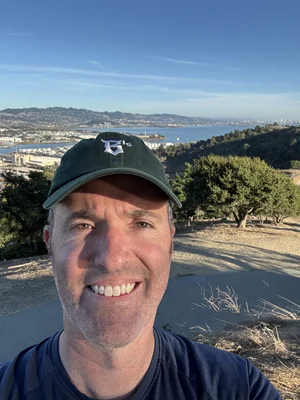
New B’s Team President Yeshayah Goldfarb
“It's your home, and you want to share it with people”
By Roberto Santiago
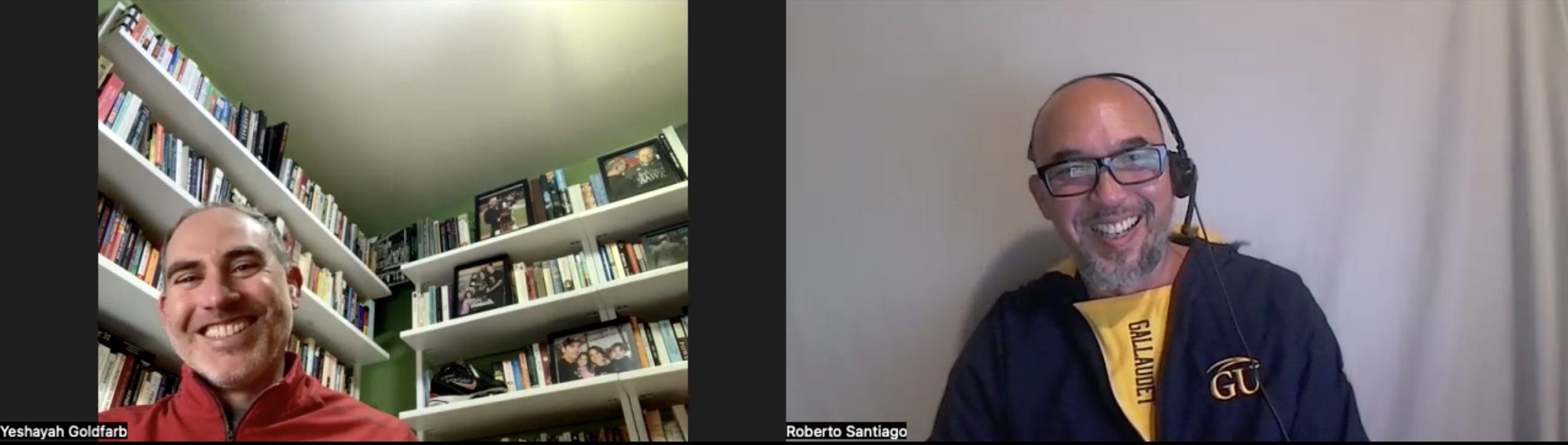
Yeshayah Goldfarb is sitting in a room of his home that appears on camera to have floor-to-ceiling bookshelves that are absolutely jammed to capacity.
“Are you the kindest person in baseball?” I ask.
Goldfarb gives a nervous chuckle. He looks off camera. “Oh…” He searches for words. “Um…no. I don’t know how to even answer that.” The question may seem odd, but if you look up interviews with the Oakland Ballers newly minted team president, one thing stands out. Yes, Goldfarb was an early adopter of analytics. Yes, he helped the San Francisco Giants win three World Series championships through his work in player development. Yes, he’s of that last generation of MLB front office executives that didn’t come out of Harvard or MIT. But none of that really speaks to what Goldfarb seems to hold closer than any of these accomplishments: building relationships and scouting the whole person.
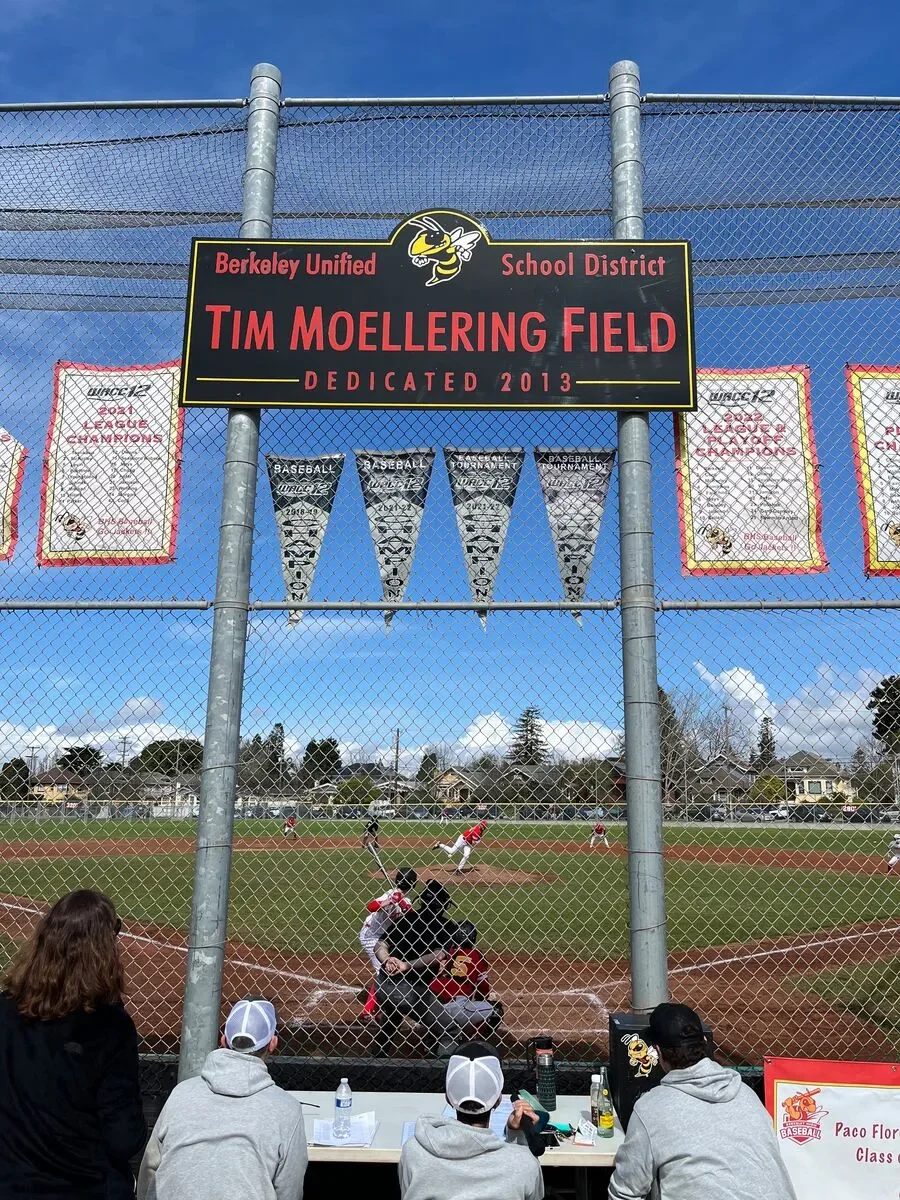
If you talk to Berkeley baseball people of a certain vintage, the conversation always finds its way to Tim Moellering, the deeply loved and respected history teacher and Berkeley High School baseball coach. The people who played for him, coached with him, or sat in his classes talk less about his facility as a coach and more about how he helped shape their worldviews. One of the lasting artifacts of Moellering’s mentorship is his list of Ten Principles to Live By. Mollering’s principles emphasize honesty, empathy and responsibility. Goldfarb has mentioned Moellering’s influence on his own approach to personal and professional interactions in more than one interview. He’s been known to send copies of Moellering’s list to interviewers, including me. Reading them provided a window into Goldfarb’s relentless pursuit of connection. However, Goldfarb’s commitment to success through positive relationships—and his lifelong love of baseball—predate his time with Coach Moellering.
Baseball Kabbalah
Though there are notable counterexamples, it often seems that remarkable people are born of remarkable people. This is true for Goldfarb whose parents, Dr. Yehudit Goldfarb and Reuven Goldfarb, are writers who excel in multiple artistic disciplines and were early leaders of the Jewish Renewal movement. Borrowing a synopsis from The Jewish News of Northern California, Jewish Renewal practice, “blends egalitarianism, joyful prayer and socially progressive values.” Along with a predisposition towards compassion, his father Reuven also gave him a love for baseball.
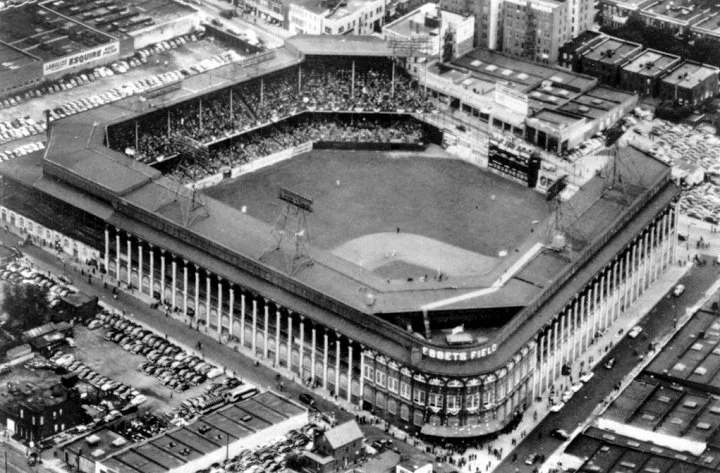
Reuven Goldfarb grew up in Brooklyn as a diehard Dodgers fan. Roughly ten years after the Dodgers moved west, Reuven followed, though he ended up in closer proximity to the hated Giants after arriving in the Bay Area. One of Reuven’s essays titled Baseball Kabbalah examines the parallels between the Tree of Life and its associated Jewish traditions and the game of baseball. The essay is an artifact that perhaps hints at the foundations of his son’s love of the game and his approach to his work within it. In the essay, Reuven says of baseball and the Kabbalah,
…in both examples I think you will find a willingness to take personal risks and assume personal responsibility for the outcome of a crisis on behalf of the kehillah – the collective, the nation, or the team, the group to which one is loyally committed. Such an example is inspiring, no matter what is ultimately at stake.
For Goldfarb, the mapping of baseball and Kabbalah shows up in his work. Both can be heavily analyzed through numbers. Goldfarb is a numbers guy. The Kabbalah praises sacrificing your own immediate goals for the good of the community. When played the right way, so does baseball. This encouragement toward community building and group cohesion would end up serving Goldfarb well as a professional.
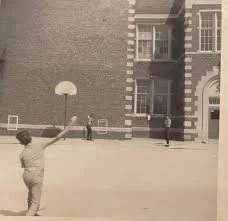
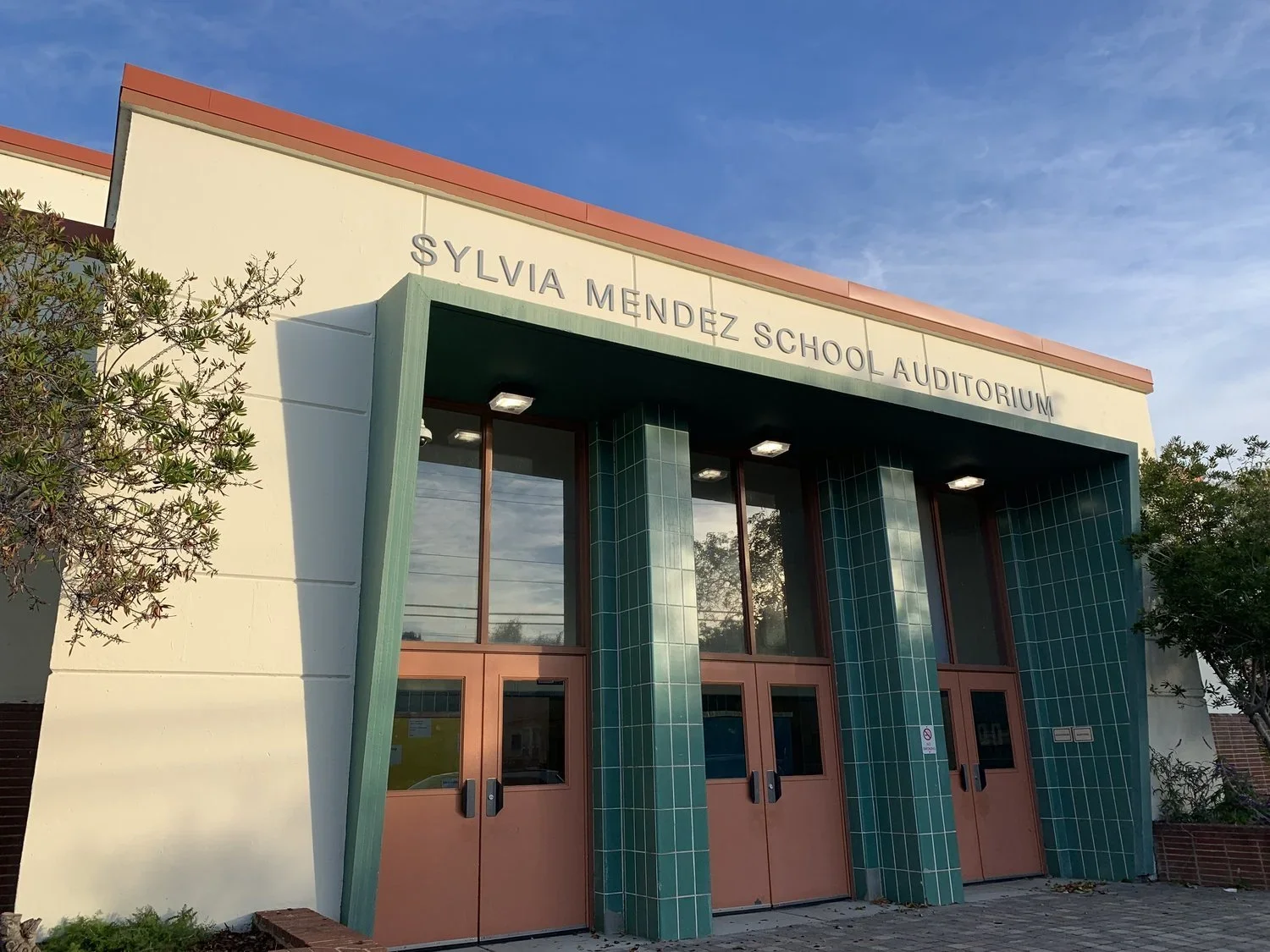
In what I refer to as the “Kevin Costner tradition of fathers and sons,” Reuven’s influence wasn’t limited to his son’s spiritual and emotional growth. There was also the tradition of having a catch. Or more specifically for the Goldfarbs, playing strike out. Living in a religious household, both Goldfarbs understood how to use the rules of Shabbat in a way that allowed them to play ball during a time when they would be generally prohibited from doing work. Goldfarb explains, “You’re supposed to have an eruv. You can carry things as long as you have a boundary around you. So I was like, put the bat in our pocket and the ball in our pocket and we would walk to LeConte [now Sylvia Mendez Elementary in Berkeley] and there’s a fence around LeConte. So then we could play strike out, usually on Shabbat.” Goldfarb couldn’t throw breaking balls when he was young, so he started dropping his arm slot, emulating A’s closer Dennis Eckersley, to give his dad a different look. This predilection for experimentation would become a hallmark of the young Goldfarb’s baseball career.
The Player
In his career, Goldfarb learned to scout from some of the best in the game. He came up as a personnel man under Giants General Manager Brian Sabean and VP of Player Personnel Dick Tidrow. On his days off, Goldfarb would go out to practice scouting local amateur players. With all that knowledge, what does Goldfarb the seasoned scout think of young Yeshayah the player? I asked him to offer a scouting report on himself. “Um, tall and lean” he starts. “Doesn’t really use his lower half when he hits or pitches and loses power because of that. Pretty good athlete, slightly above average speed. Deception over a swing-and-miss pitch or velocity. Pitches to weak contact.”
After elementary school, Goldfarb took his strike out game to “The Wall” at Willard Junior High, a feature of the school yard that had multiple strikeout boxes painted on its face. Goldfarb and his friends, usually showing up before school to play, developed an elaborate, ongoing point system for their games. During that time, he continued to experiment with his arm slot and delivery, much like Dontrelle Willis, another Bay Area pitcher who perfected his unorthodox delivery playing strike out. Playing for Moellering at Berkeley High in the mid-nineties, Goldfarb’s fastball sat well below that range in miles per hour, so his ability to fool hitters was key to his success.
Goldfarb went on to pitch out of the bullpen for U.C. San Diego where he alternatively served as a closer or long reliever depending on what was needed. “Sometimes, I was the person you bring in in a blowout,” he offers. Goldfarb does show up on the UCSD leader board for 1997 when he led the team in saves with two. Spinning a fastball that sat between 78-82 mph and an arm slot that couldn’t go a lot lower, Goldfarb started thinking about what he would do in baseball after graduation. “It probably hit me a few months before that,” he recounts. “Where you’re just going through, what [do] I want to do? I knew I wanted to stay in the game.” An article from the UCSD Guardian in 2000 proves the point: Goldfarb hopes to some day work in the front office of a major league baseball team.
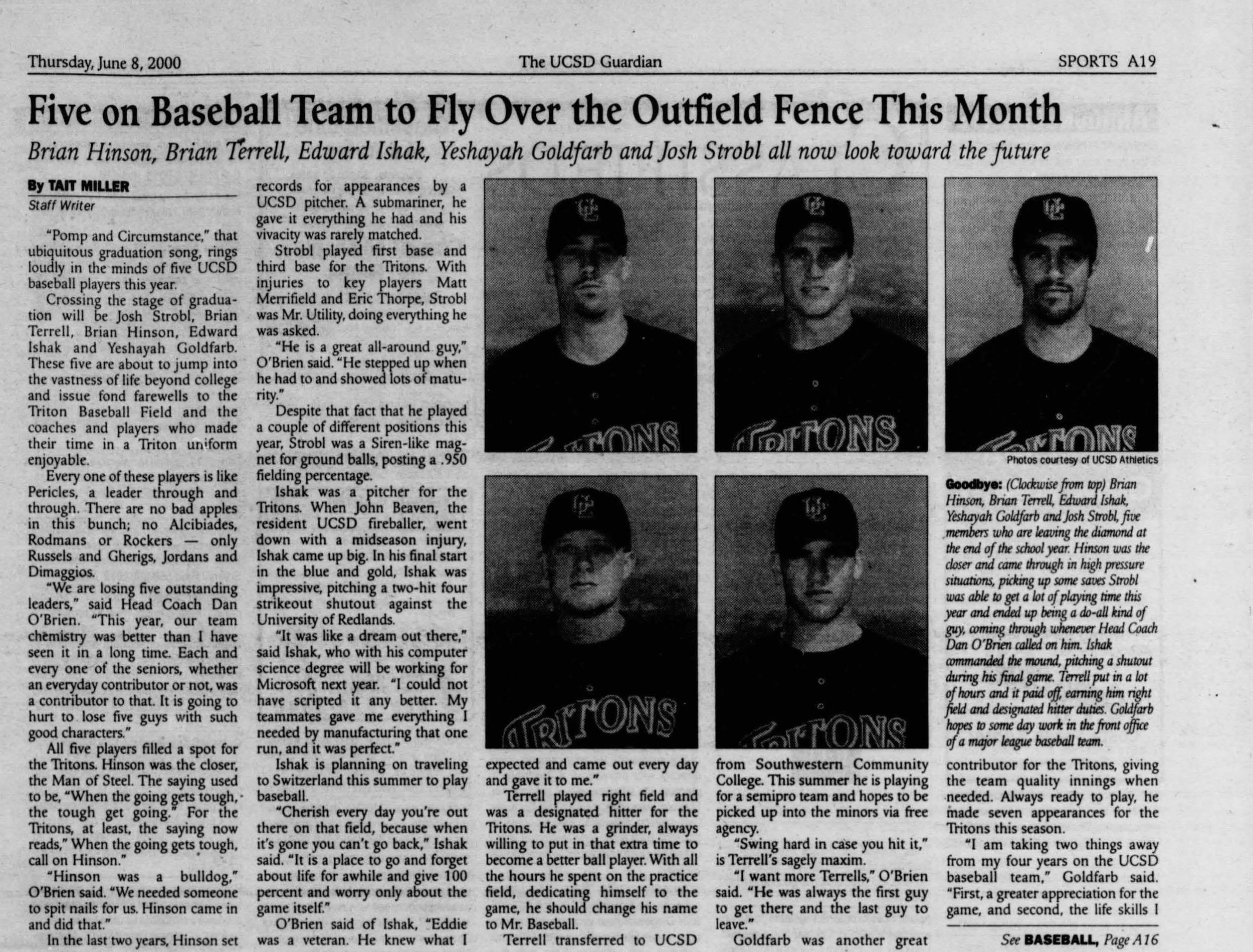
Goldfarb’s complete senior season quote: “I am taking two things away from my four years on the UCSD baseball team. First, a greater appreciation for the game, and second, the life skills I learned from baseball through playing on a team and what that taught me. It was greater than what I learned in the classroom.”
From Intern to Champion
In consultation with his high-school-sweetheart-now-wife on acceptable places to live, Goldfarb started sending out résumés. (Moellering Principle #6: If the choice is doing something, or doing nothing, go do something every time.) He notes how different the landscape was in those “pre-Moneyball” days. “You know, there weren’t hundreds and thousands of people trying to get jobs in front offices, so the timing ended up being all right. I did an informational interview with someone with the A's and someone with the Giants who connected me with [someone] on the baseball side looking for an intern.” After a 20-minute interview, Goldfarb, who had grown up bleeding green and gold, landed an internship with the orange and black. I ask him if he was a split cap guy growing up. “I was hardcore A’s,” he replies. “The Giants were just kind of another team in the area. But I shared the hatred of the Dodgers because of the 1988 series and Kirk Gibson. That was a memorable moment for me that’s still jarring when I think about it because I was in a house full of Dodger fans when it happened.” Setting aside his pride over the 1989 World Series, Goldfarb began working for the team across the Bay six months after graduation.
Goldfarb’s observation about timing applies to more than just the competition for internships. He started working in the days before reliable WiFi, which meant it was up to him to enter scouting reports faxed from around the country into the Giants database. Doing this helped him learn how scouts view and talk about players. Goldfarb started performing his own statistical analyses of players and leaving them on people’s desks. He helped with video before every game and also helped with replays from a station just off the dugout. This meant watching players about whom he had just entered scouting reports.
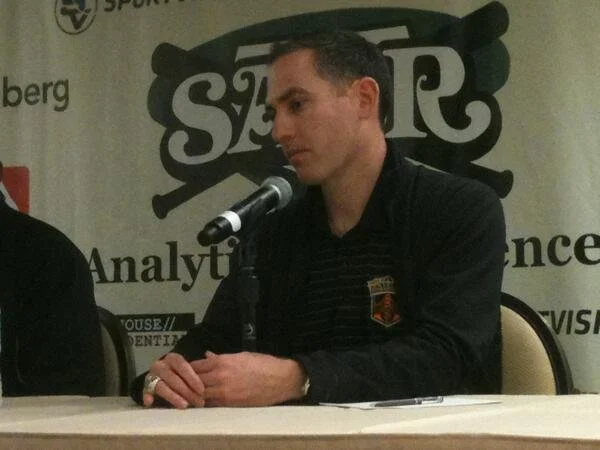
Modern analytics in baseball is sometimes referred to as being pre- or post-Moneyball, referring to the 2003 book of the same name by Bay Area writer Michael Lewis. The book about the 2002 MLB draft and subsequent season introduced baseball analytics to a wide audience. Goldfarb often frames his infusion of analytics into the Giants front office as being pre-Moneyball, which is an indication of his status as an early adopter and innovator, and by 2002, Goldfarb had some influence on the Giants draft process. “It's really hard, what you're trying to do in the amateur draft, because a really good draft is to get three or four big leaguers out of like 40 players. If you get an All-Star or two, that’s amazing.” For the Giants, the 2002 draft produced big league contributors with all of their first four picks, headlined by eventual ace, Matt Cain, in the first round. Fan favorite and 2010 champion Travis Ishikawa was picked in the 21st.
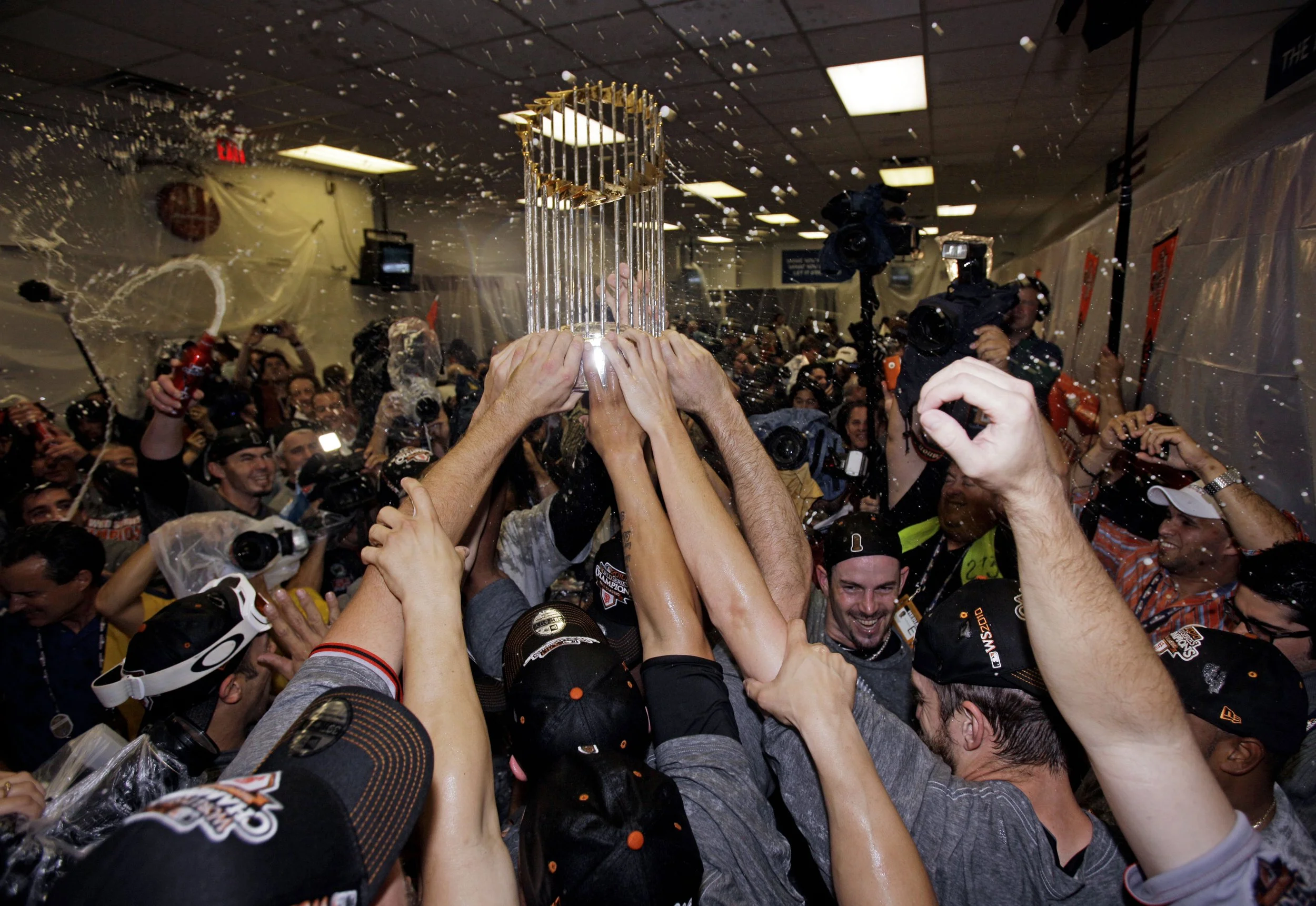
Baseball fans know what happened next. The A’s became both revered and pilloried for being the face of the analytics movement while suffering playoff heartbreak and free agent defections year after year. Meanwhile, the Giants won championships in 2010, 2012 and 2014 using similar player evaluation techniques and a roster built around homegrown talent—everything the A’s aspired to but couldn’t achieve.
“Never Force Numbers Without Context”
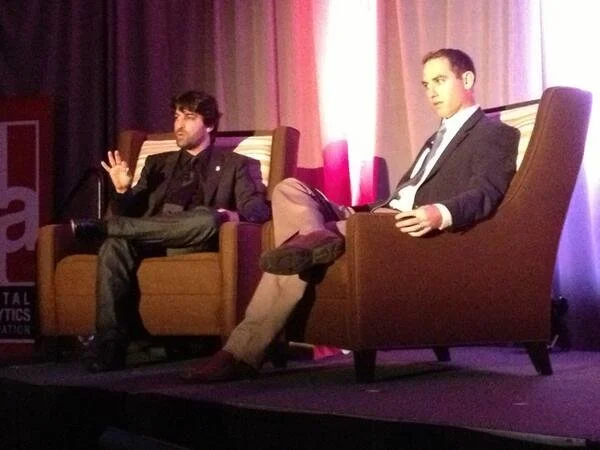
In Moneyball, A’s General Manager Billy Beane’s relationship with much of the front office–the scouts, the manager, and ownership–is depicted as combative. Beane is portrayed as having a dark cloud around him perpetuated by the A’s commitment to skinflint operations. While the book and movie see Beane using analytics as a blunt object, Goldfarb used them like a laser. He employed his natural tendency towards connection and relationship-building to his advantage; getting scouts and decision makers to buy in meant tailoring the presentation of statistics in a way that supported the work the scouts were already doing. He did this by combining scouting insights with data driven profiles, ensuring that numbers always had context that explained the why behind how the numbers could be useful. Goldfarb explained like this on The Sports Analytics Podcast: “I built strong relationships, listened to their needs, and offered data in ways that addressed them…and that mutual respect led to buy-in. We also let them guide the questions and let analytics fill in the gaps rather than override their expertise.” (Moellering Principle #1, Have empathy for everyone).
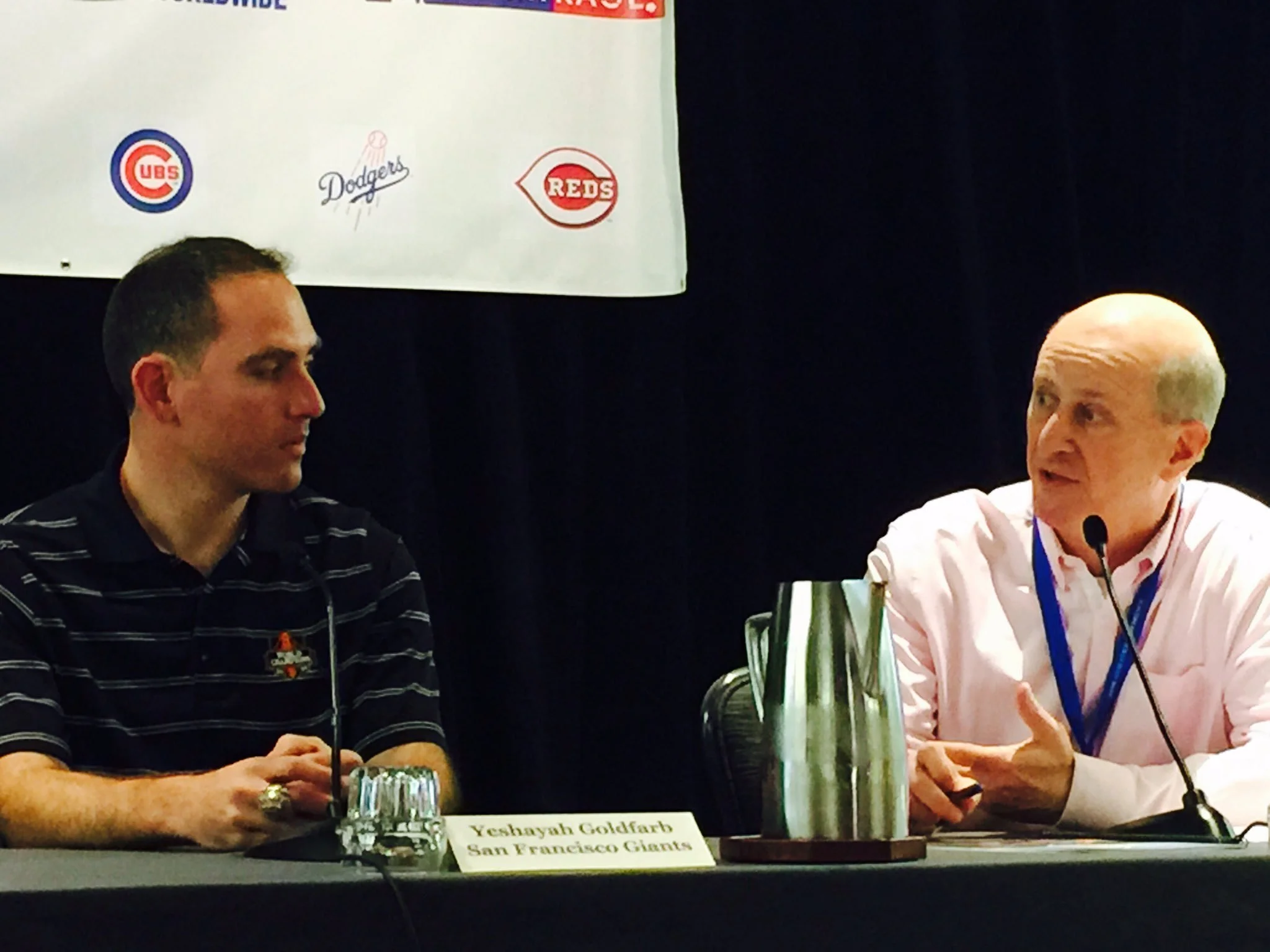
To hear Goldfarb talk about players and scouting is to see the depth of his mind at work: “Scouting is qualitative by nature, but there are numbers that you're associating with players. Our scouts as a group might consider someone's power slightly below average, but analytically, their extra base hit percentages are very high and it's in a pitcher's park. So analytically, I'm seeing that this player is actually showing more power than the scouts are saying they have.” So, how do you introduce those numbers without confrontation? (Moellering Principle #4, assume positive intent.) “I think the best use of it in the draft room setting was often to force a conversation,” Goldfarb explains. “You know, this scout might be saying this player is a below average hitter, but the numbers are showing a difference. Which is right? Has anyone else seen him? Let’s talk about it.” Sometimes the scouts are right, he says. Sometimes, the conversation moves a player up the draftboard. The goal, though, is to make it a collective decision. One of Goldfarb’s innovations was to create visuals that aligned the stats he analyzed with a scout’s traditional 20-80 point scale measuring a player’s tools. This helped scouts see new information mapped onto what they were accustomed to using. (Not unlike, I think, his father mapping baseball to the Tree of Life.)
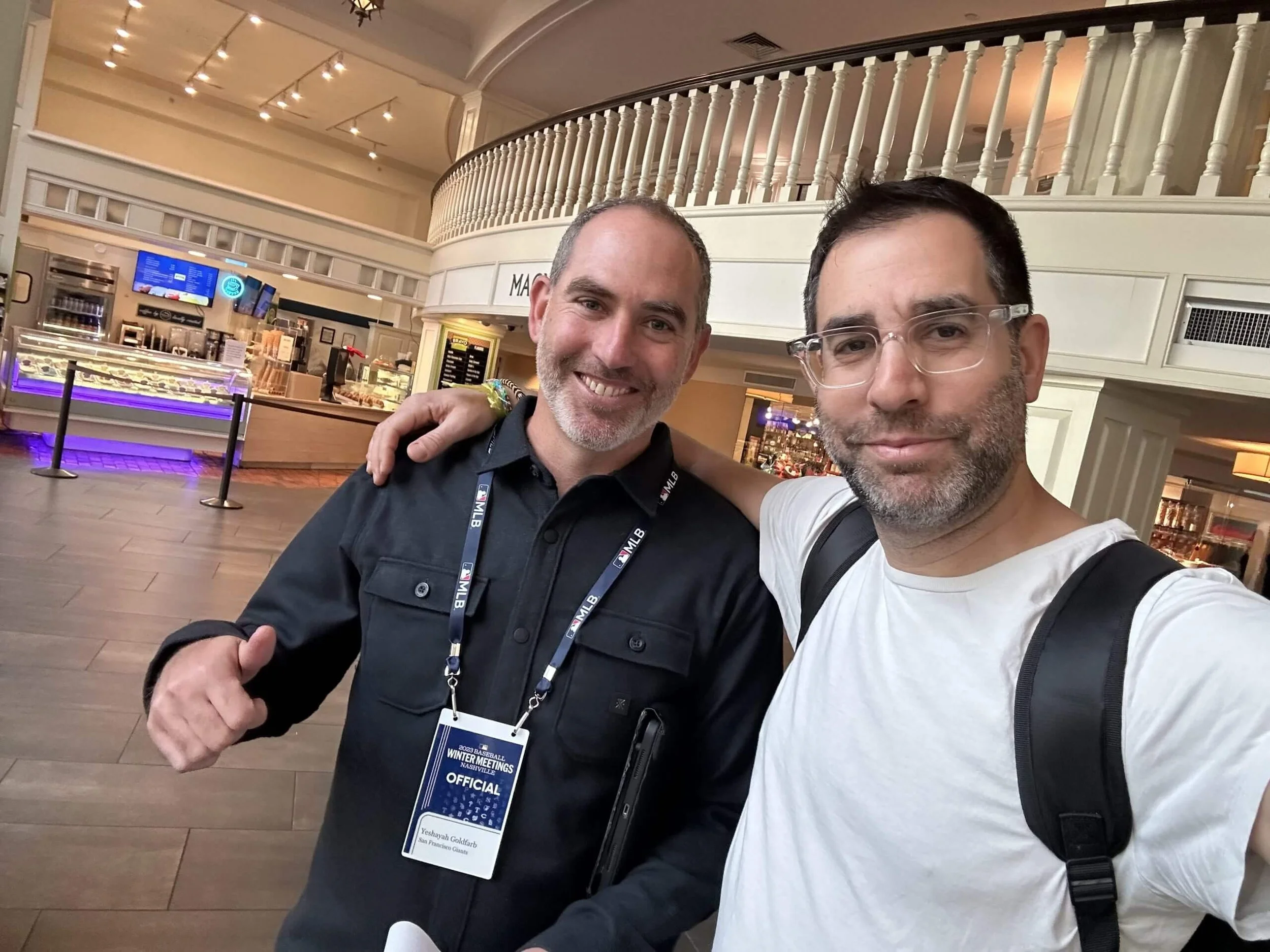
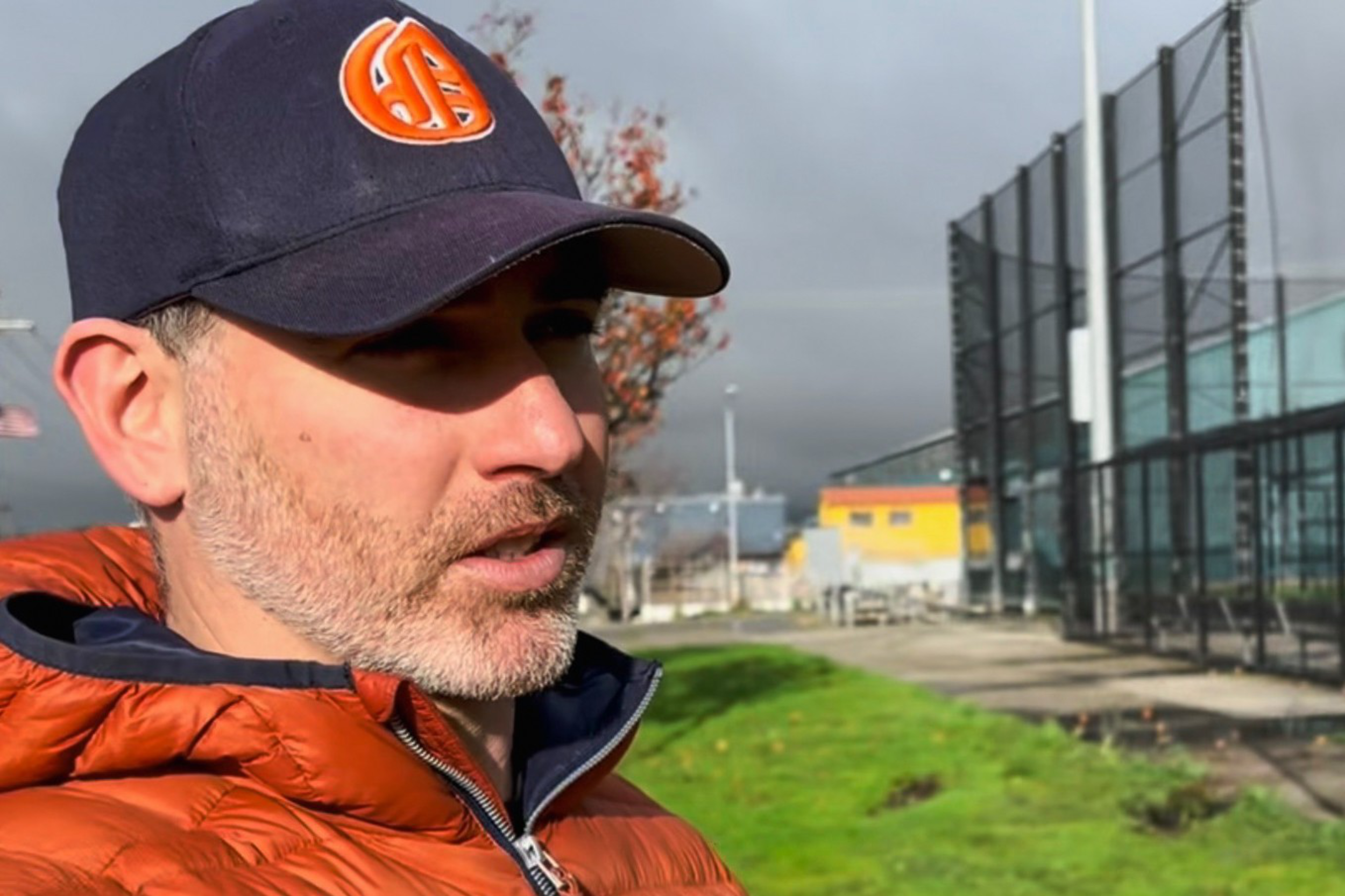
Goldfarb and B’s co-founder Bryan Carmel
Seeking a New Challenge
Goldfarb walked into his first job six months removed from college and stayed for 24 years. He lives and works in the community where he grew up, married to the same woman he was dating when he was 14 years old. It’s the kind of story usually attached to people from small towns in Bruce Springsteen songs, not baseball executives. Even angel-favorite George Bailey couldn’t wait to get out of Bedford Falls and the old Building & Loan.
After 24 years with the Giants, Goldfarb left the only organization he’d known to find his next challenge. He knew it would be in baseball. Having been the Giants Director of Minor League Operations, he considered Japan, college ball and MiLB. This brought up another question for me. Why consider a role outside of the major leagues? "When other Major League teams wanted to have a conversation, I had it,” Goldfarb answers. “But that was never really my ambition. This is my home, where my wife is from, where I have family. I know it is special and rare in sports to work close to home.” Goldfarb had seen his peers take roles and promotions with other teams, only to be on the move again in a few years. Goldfarb wanted to stay home.
Ballers co-founder Bryan Carmel met Goldfarb at Camp Tawonga when they were 11 years old. They were together when Goldfarb met his future wife; they were all 14.
“He was like, kind of my only friend that was seriously, seriously in baseball,” says Carmel. “And as you know, [co-owner] Paul [Freedman] and I come from zero professional sports backgrounds.” So it made sense that when Carmel and Freedman decided to start a professional baseball team, they called their childhood friend who also happened to be one of the best baseball executives in the country. Goldfarb, the kid who grew up an A’s fan, knew the pair had a great idea and joined as an unofficial consultant and sounding board. Carmel recalls, “He was the perfect cross section: he was with the Giants, but he grew up rooting for the A's. And [being] from Berkeley, understood the heartbreak that we were all feeling, and also understood baseball.” Goldfarb’s wisdom ranged from outlining what a professional ballpark needed to have in terms of infrastructure to floating names of people the rookie owners should talk to, including James Harris, who became the Ballers bench coach.
So what do you do when your childhood friend, baseball executive prodigy, on-the-under consultant, and player development wiz suddenly becomes a free agent? Why, hire him to do business development, of course.
Wait. What?
For me, this brings up a massive question. Why are you bringing in a player development person to not do player development?
To hear Carmel tell it, the team is taking an old school start-up approach: hire smart, talented people and let them cook. The fact is, the Ballers made the playoffs in their first year, then followed that up by setting the Pioneer League record for regular season wins and bringing home a championship. Two of their players were signed by the Washington Nationals over the winter. They’re doing pretty well on the player personnel side of things. Where they needed help was filling the stands and entrenching themselves in the hearts of East Bay sports fans. When Carmel looks at Goldfarb, he sees someone who has, “been to, especially at the minor league level, hundreds of ballparks, and he is a really, really keen observer of operational excellence and operational failure.”
Carmel gives an example. “I've been to a lot of sporting events with Yeshayah and he'll be like, ‘I want to go check out the concessions to see how they're running the lines.’ He has a really, really astute attention to detail when it comes to the way that baseball games are being put on, and what are the rituals?” Carmel adds, “Now is a good time to take a breath and be like, okay, how do we actually make this a really, really smooth running operation?”
Goldfarb elaborates on this idea, “I've traveled around Japan. I've traveled all over Latin America. I've seen baseball in lots of different settings and there's excitement about thinking about maybe how we can push the envelope a little bit in some spaces.” I ask him if he’d rather be the next Brian Sabean or the next Bill Veeck, the legendary baseball promoter and White Sox owner. “Well, I’ve never been [a] Bill Veeck, so it’s exciting to dig into that world.” Goldfarb’s voice starts to tick up a bit in volume and pace as he speaks. His goal is to find the sweet spot in bringing new features to the ballpark experience that are exciting for both baseball purists and casual fans. The ultimate success would be people attending not just for the game, but for the sense of community. He continues, “That's a piece of it that is exciting to me. I think that there's things that we can do in this environment, as kind of a…test ground is not the right term, but in a smaller setting, without the same stakes of 40,000 fans around, [we can try some things] that can be authentic and real.” Goldfarb is at the stage where he’s waking up in the middle of the night and scribbling down ideas. With fewer constraints than in the majors, he’s excited to try new things. Don’t expect an Eddie Gaedel or ten cent beer night, but maybe a mic’d up Esai Santos? “I’m writing that down,” he says, “that’s a good idea.” (Note: it is not necessarily a good idea.)
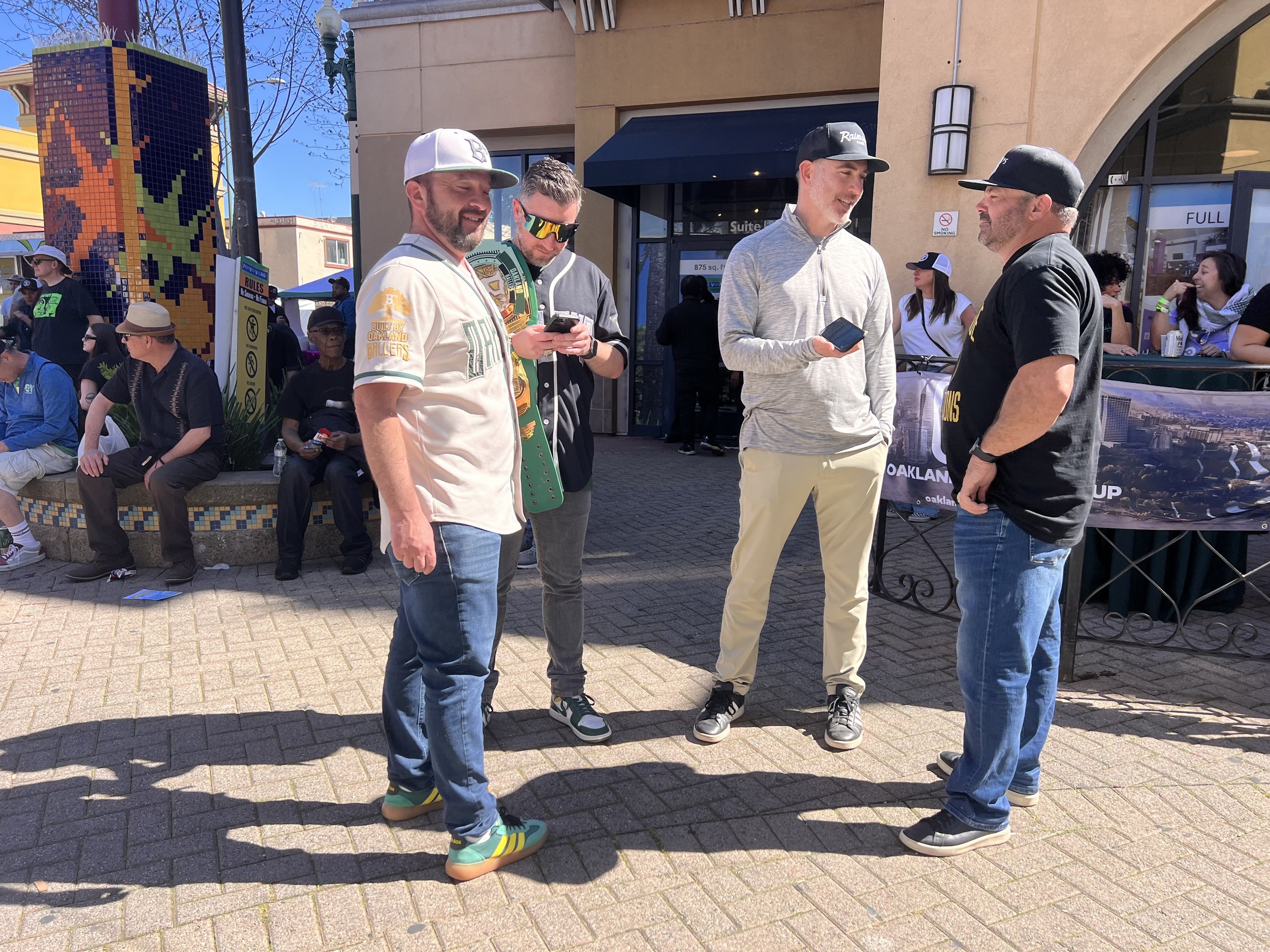
Members of the B’s Brain Trust at Fans Fest 2026. From left, Paul Freedman, Casey Pratt, Goldfarb, and manager Aaron Miles
A Better World Through Baseball
In any business, the goal is to make money. That’s an undeniable truth. But businesses that build the most brand loyalty aspire to more than that. Carmel and Freedman wanted to help Oakland heal after the defections of its major sports teams. They knew they couldn’t exactly replicate the on-field product, but they could give Oakland baseball fans a place to belong. While success has come quickly in terms of wins and losses, box office sustainability is always a long-term challenge.
As a start-up, the Ballers marketing budget is small. There are plenty of things to do on a summer afternoon in the Bay Area besides attending a ball game. But the team knows there are baseball fans out there who haven’t yet made it to Raimondi Park. The smallest crowds at A’s games were often in the 3,000-person range. If the Ballers could average 3,000 per game, they would lead the Pioneer League in attendance. That’s what Goldfarb is tasked to achieve. “We don't want to be the Savannah Bananas,” he says, “but the fact that they exist actually does, at this moment in time, open up what’s possible.”
Talking to Carmel later, it’s now his turn to speak quickly, his passion for the game and his faith in Goldfarb starting to crescendo. “Paul and I are incredibly proud to be at the point where we are ready to bring in a president,” he says, “because it says we now can hopefully focus on vision and larger growth of the organization. He can really focus on how to create operational excellence in everything that we do.” With the frenzy of the last two years behind him, Carmel has grand hopes for the future. For Goldfarb, Carmel says, “My hope is this is a legacy job for him. This can be the thing that he does—he's Giants for the first half of his career; now, he's going to run the Ballers until he gets a permaflaked plaque on the wall.”
Talking to Goldfarb and Carmel, it becomes clear that they aren’t just selling baseball. They are selling a sense of community wrapped in baseball-themed packaging. Carmel is almost bouncing now as he says, “It's not necessarily even about baseball. People want to participate. Here's an opportunity to participate in your community. And for people to understand, this is like the most fun opportunity to participate in your community in a positive way, and it's gonna make you feel good about yourself and your life because you get to be part of something bigger than yourself. To me, that's the message that we have to impart to people.”
Goldfarb is ready. He too has big ideas of what the Ballers could be in the East Bay. For him, the Ballers “are part of the fabric of Oakland.” The challenge is to bring that to a wider audience. He knows that success will hinge on showing people what the team can do for them. How they can provide entertainment and a sense of belonging. It’s a big task, but “the Bay Area is a big place, and the world's a big place, and I think there's more that we can give and that we can provide. The more people that can experience what it is to come to Raimondi is–this is probably too bold, but–making the world a better place.”
Now I’m also getting excited. I encourage Goldfarb to follow this line of thought. He expounds on how West Oakland around the ballpark is becoming a destination for people even when the Ballers aren’t playing. Now there’s a reason for the city to put more money into developing the area. More growth, more community, more Oakland to share with the world. “It’s OK,” I assure him, “you can say you want to use baseball to change the world.”
Goldfarb takes a breath and settles in. “That's what I wanted to say and I believe that to be true, which is a funny thing to say out loud, but, it's my home. It's your home, and you want to share it with people, and give them reason to come see what it's all about.”
And that’s the crux of it. The Ballers are a baseball team. They’re a little engine that could and can and has done. What Ballers management wants is to be so much more than a baseball team. They want to be the community hub that Howard Terminal might have been, except they want to do it for the locals, not solely as a driver for tourism. Unlike the Windy City, real people live in those converted warehouses around Raimondi. Local kids set up lemonade stands on gamedays. Prescott Market is populated by local businesses. For a city that had taken so many lumps but has been proud of a recent resurgence–see Alysa Liu, Ryan Coogler, Kehlani, and a Pioneer League trophy making its Town rounds like the Stanley Cup–it’s meaningful to have people dedicated to the East Bay. Sure, it’s baseball, it’s entertainment, but as Reuven Goldfarb once wrote, “If, along the way, you have enjoyed a few smiles and flashes of recognition, I will consider our exchange another step toward Tikkun Olam – repair of the world.”
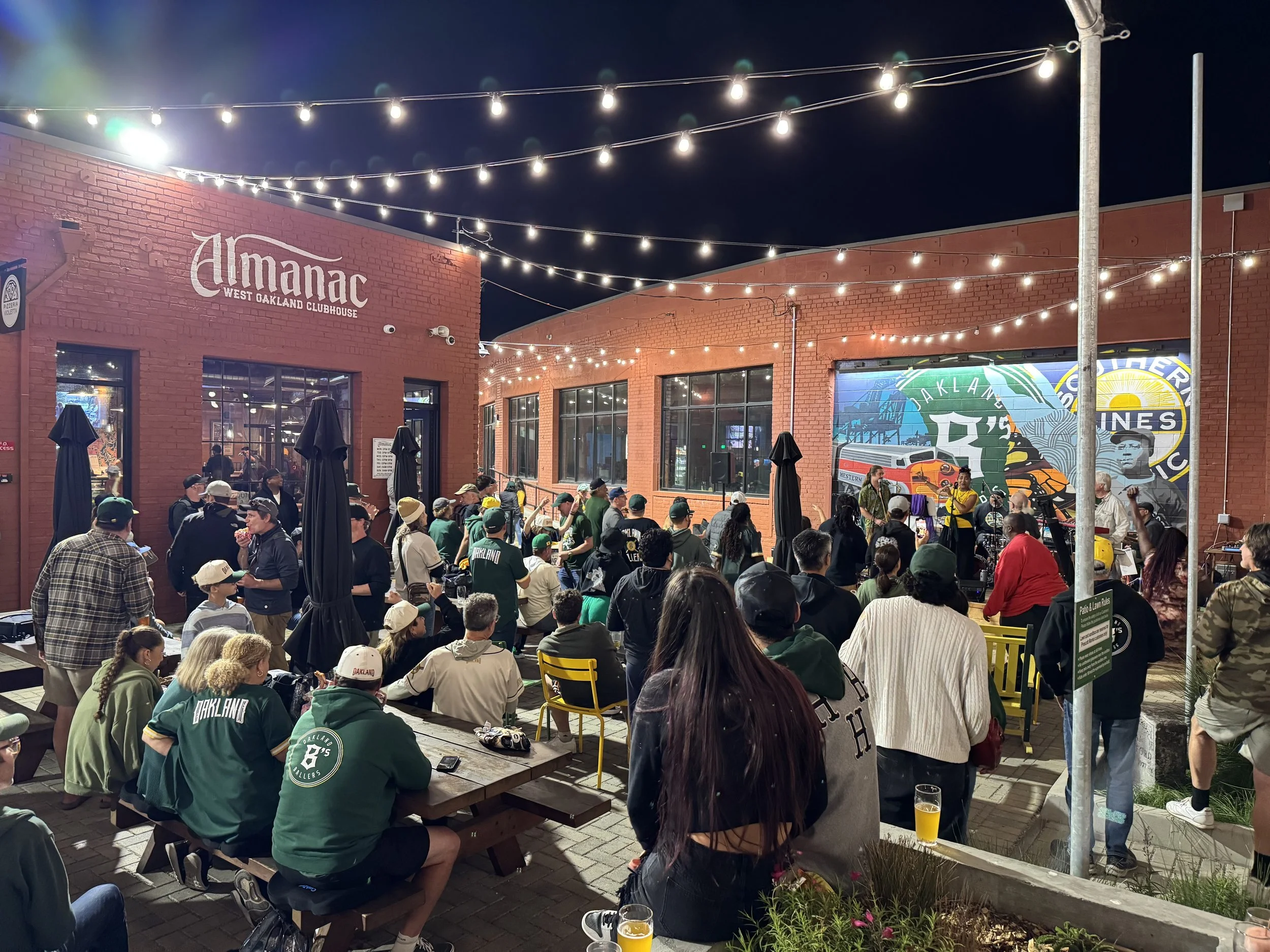
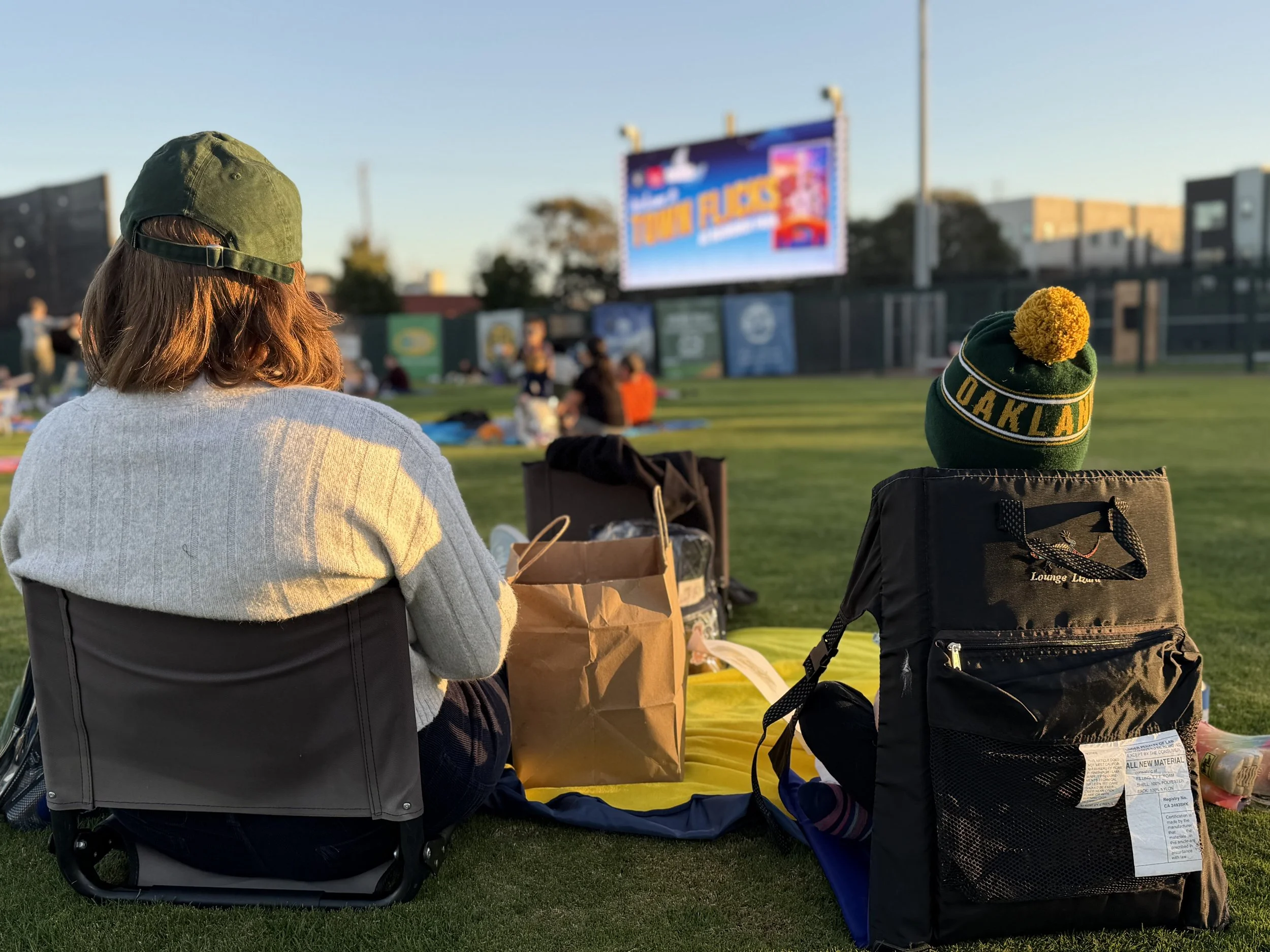

Roberto Santiago is a third generation Berkeley boy currently raising the fourth generation. Roberto’s writing has appeared in Latina, Parents, and various online outlets. A lifelong baseball fan, Roberto worked briefly with the Boston Red Sox and once hit an RBI single off Spaceman Lee on a 2-2 changeup. It was his only at bat ever in a real baseball game. Find him on Instagram.