B’s Co-Founder Paul Freedman on Stealing Baseball Back for Everybody
By Joe Horton
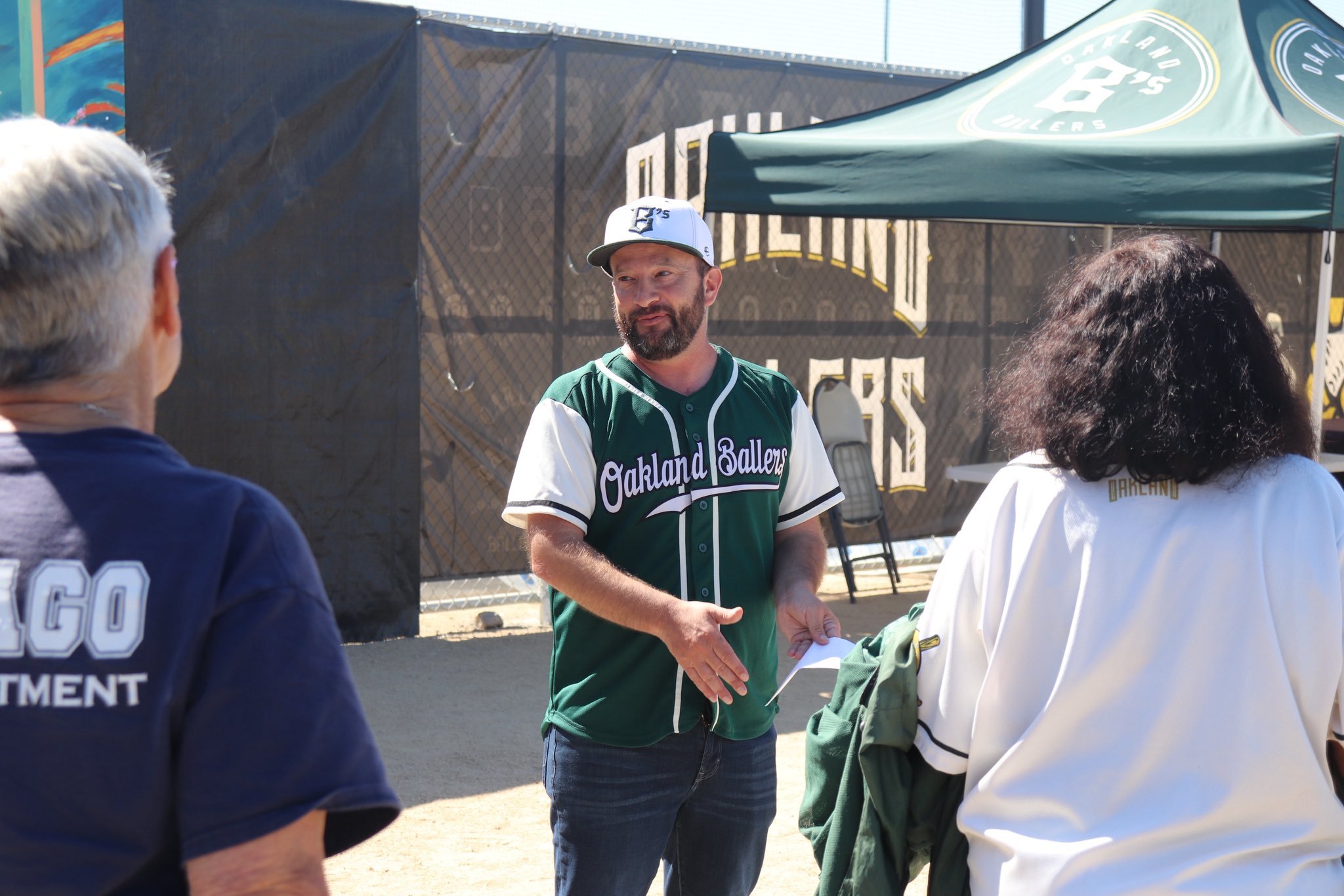
When Ballers founders Paul Freedman and Bryan Carmel were considering the big lift of starting their own baseball team, creating a club out of nothing in a public park to tend the open wounds of a fiercely loyal fanbase betrayed, all of it becoming a deeply personal crusade to steal baseball back for Oakland, they realized the load was heavier than they’d imagined. Maybe twice as heavy.
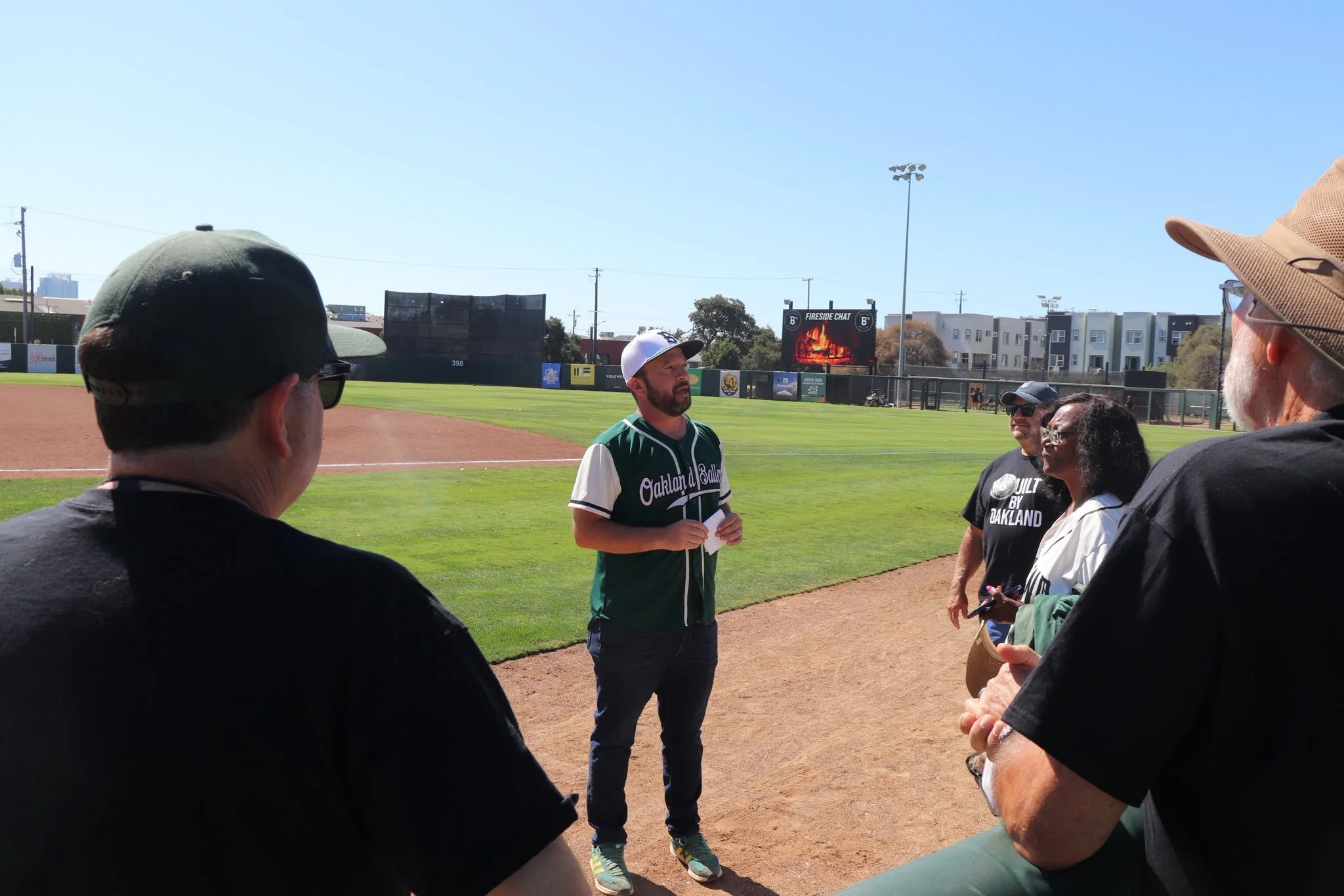
“You can't just play games against yourself. You have to play games against other people. So you have this kind of weird relationship with the other teams in the league,” Freedman says. “The analogy I've used before is that having a baseball team is like having a house: you can care and you can focus only on your house. But if you don't focus on the neighborhood, it could be really problematic. Good homeowners become the good stewards of their neighborhood. And so it became pretty clear we had to fix the neighborhood.”
Entering the Pioneer League was a good fit, but it wasn’t a perfect fit. For one, to admit the Ballers, the league would need an additional team to keep scheduling balance.
“When we came to the league, they said this is great, but you either need to wait until we find another ownership group—which could still be, we could still be waiting for that—or you need to take on the obligations of managing two teams at least initially. And so we said, “okay, well, it's already a lot of work, so we'll just do it twice as hard.” And quite honestly, two teams was humbling. We didn't focus very much on the Yolo High Wheelers. There were all sorts of logistical challenges with that team. But because the baseball gods are fickle, the High Wheelers as a team kind of used the fact that they felt, you know, like the stepchildren of Bryan and me and used that fuel for their energy, and ultimately they beat us [in the 2024 PBL playoffs].”
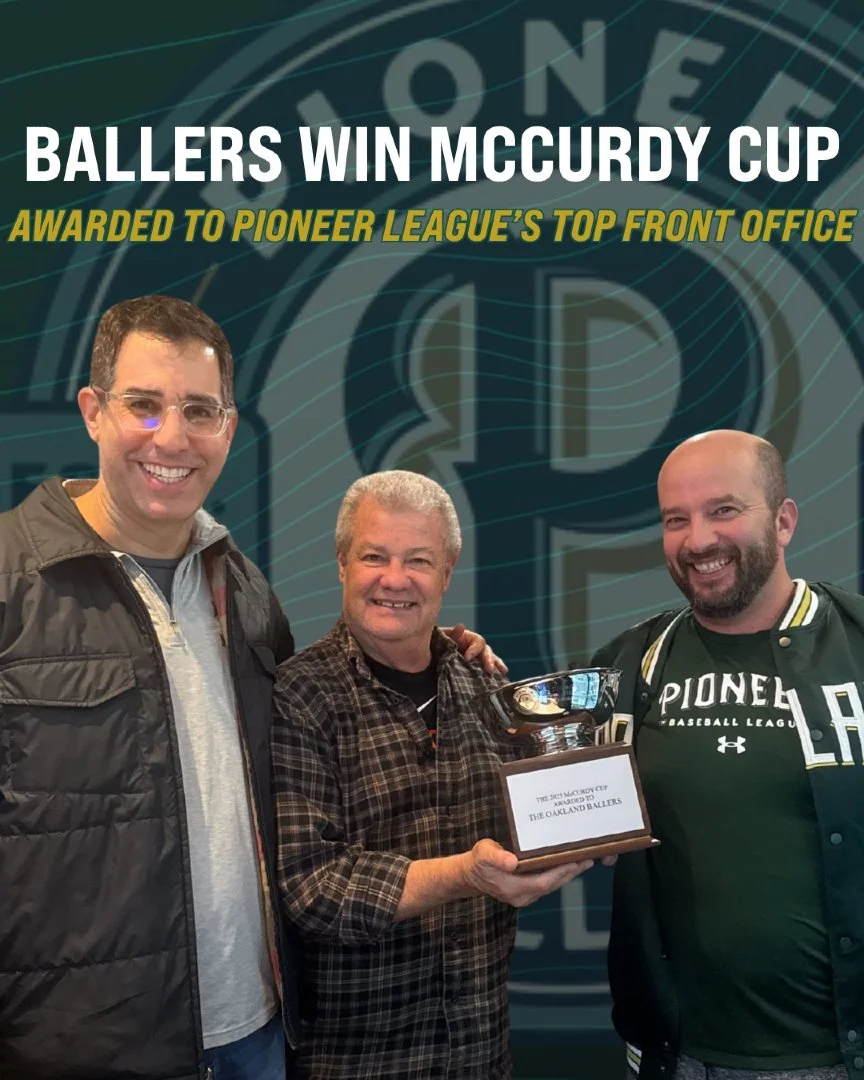
Eventually, Carmel and Freedman stepped back from the High-Wheelers-turned-Freebirds. They remain investors with Innovation Baseball Partners, but they are not in team operations. Now, “it's not just the Bryan and me show. There's other people involved, so that the Oakland Ballers now just focuses on the Oakland Ballers.”
Well, almost.
After this PBL offseason that saw the shuttering of three Colorado teams, taking care of the neighborhood meant more expansion. It meant more of a focus on California teams. It meant finding peer cities to Oakland that share similar size and fans and vibes. As Freedman says, finding baseball towns that are “culturally aligned.” Enter Long Beach.
“It's diverse like Oakland is diverse. It's proud like Oakland's proud. They both often live in the media shadow of a larger city,” Freedman says. “The most popular hat in Long Beach is a hat that says Long Beach on it just like the most popular hat in Oakland is the one that says Oakland on it.”
The league’s plan, Freedman says, is to continue this westward expansion.
“I think the Pioneer League has already said that: the plans for expansion are in the West Coast. The Pioneer League has been public about plans for there to be a division here, and the minimal viable division is six. So there are at least two more teams that are anticipated. And I think that’s great for the Ballers; a true division helps with rivalries and travel and all sorts of fun stuff.”
So it makes logistical, competitive, and economic sense for Freedman to lend his expertise to the Long Beach Coast, who are expecting a sellout in their home opener today at Blair Field on the campus of Long Beach State. But what about the emotional side? Does he feel like he’s cheating on his team?
“Everybody will say in Long Beach, it's almost a joke with how I'm helping out a lot from a business perspective—my experience having seen it before, advising them and helping and supporting the launch—because they know I'm not rooting for the team on the field.”
But if you’re good at what you do, you want the league to succeed, and you value what Freedman calls the “integrity of the game”—not intentionally fielding poor teams to bolster another’s wins—do you run the risk of putting together a really good rival like, say, the Coast?
“But yeah, it sucks when they beat us,” Freedman laughs. “I think Long Beach is gonna be tough this year. They're almost an All-Star team of Idaho Falls and Yuba from last year sprinkled in with a bunch of Southern California kids. But, you know, I'm not counting the Ballers out just yet. We always start slow. It takes a little while to figure out exactly what our roster is. I expect both those teams to go until the end, potentially both being playoff teams. And every time they play, I'm going to be rooting for the Ballers, and everybody knows that.”
Ultimately, Freedman sees his work with other franchises as protecting the long-term viability of the league and a new kind of baseball.
“The goals from the beginning have always been ambitious. This was a movement as much as a baseball team. It was about stealing baseball back, and that doesn't have to be a localized Oakland story. It’s stealing the sport back for everybody. We're trying to create a more urban and more diverse and a more joyful version of the game.”
Joe Horton is the editor of Dispatches from Raimondi.