

Game 40: Baseball Saves
“The fact that these boys are American boys is good enough for the Brooklyn Club.”
-Branch Rickey
By Roberto Ryukichi Santiago
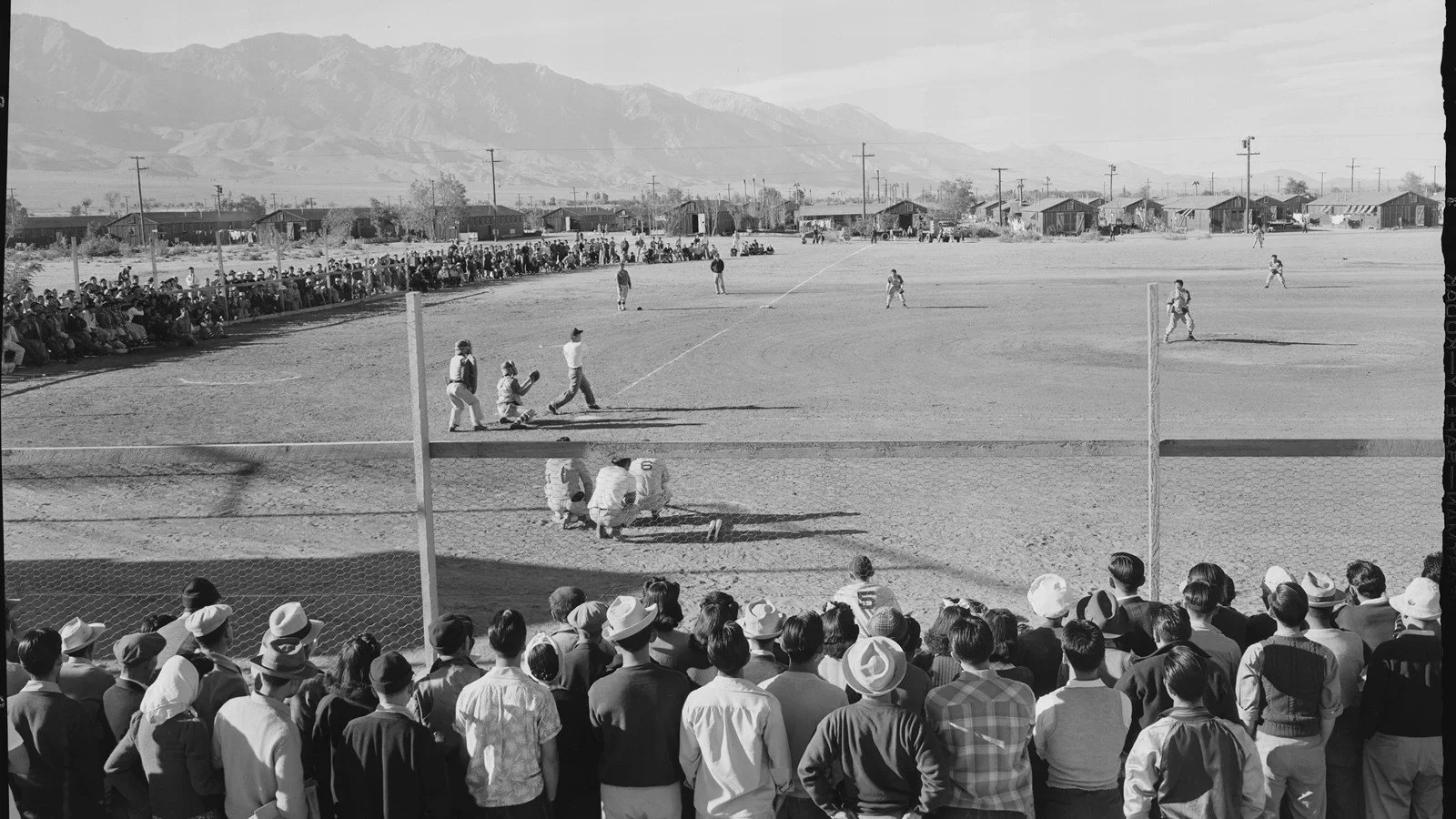
LONE PINE, CA - Today’s dispatch comes from the Sierras and the small town of Lone Pine. We are at my folks’ place at the base of Mt. Whitney, a beautiful land of red rocks and desert air. Later today, we will head twenty minutes down the road to the town of Independence to see the parade, pie competition and enjoy some pit BBQ. A day as American as baseball and well, apple pie. It was here that I sat watching the Ballers lose to Modesto 7-3 on July 3rd and thinking about what baseball means. We know what it means to us in Oakland. We know how the B’s brought a salve to our aching hearts in the wake of deception and disregard from people we had invested so much in.
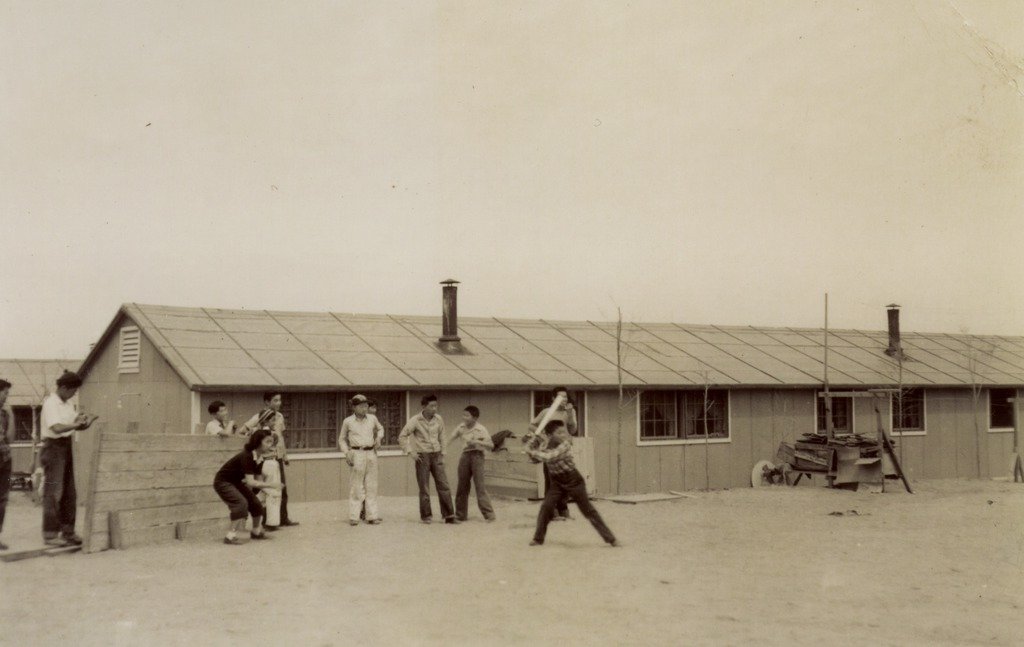
In between Lone Pine and Independence is the Manzanar War Relocation Center. The name obscures it’s purpose as an incarceration center for Japanese and Japanese Americans during WWII.
Manzanar was home to 10,000 people like my grandmother and her mother and brothers who were sent from San Diego to a camp in Poston, Arizona. I visit Manzanar when I’m here in a bid to connect with my heritage. On this trip, I was able to get a print out of my family’s roster entry showing their city of origin, immigration status and where they went when they left camp. One of my favorite features at Manzanar, which is now National Park site, is the restored baseball field. Baseball was a vital part of camp life in most of the incarceration centers. Manzanar had twelve leagues playing on diamonds set up in the fire breaks between blocks of barracks. Teams from different blocks played each other as well as teams made up of local townsfolk. Famed Brooklyn Dodgers owner Branch Rickey foreshadowed the stance that would later see him sign Jackie Robinson when he held a tryout for three Japanese American players in 1943. The importance of baseball to incarcerated Japanese Americans has been documented in books like Baseball Saved Us and the feature film, American Pastime. Takeo Suo, who was incarcerated at Manazar, recalled, “Putting on a baseball uniform was like wearing the American flag.”
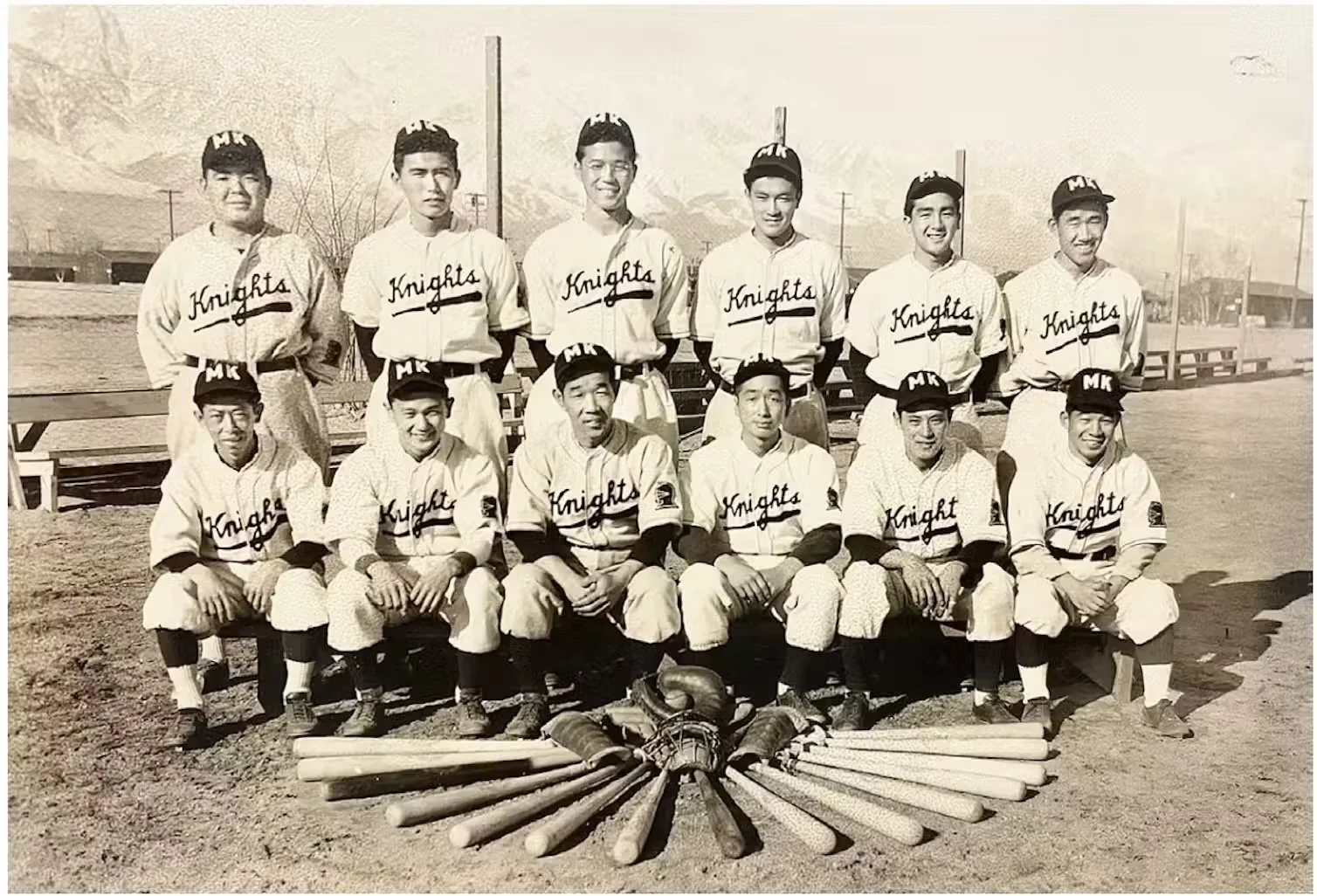
Since the Civil War, baseball has been an integral part of the American story. I sit here, the descendant of people who were stripped of their constitutional rights. People who lost their homes, their businesses, their farms. People who were taken from places like Bainbridge Island and Terminal Island and shipped to the desert to live in tar paper shacks. I sit here and I endeavor to write about baseball on the Fourth of July, Independence Day. Hunter Day (0-1) pitched pretty well for the Ballers, allowing 4 runs (3 earned) as errors again bit the B’s who have been sloppier than usual on this road trip. He kept the team in the hunt, pitching into the sixth in a 4-3 game. Then Michael Riley had a tough eighth and the game was out of reach for a recently pedestrian Oakland offense.
But my mind is on yesterday when I sat in the theater at the Manzanar visitor’s center. The film about the camp ended and my wife asked if I was OK. I sat there in tears and could only murmur, “We’re doing it again.” And we are. Not you, not me, but America is doing it again, only worse. I couldn’t shake the feeling that I, as a Japanese American and Latino person, haven’t done enough. I am taking this opportunity to declare that I will do more. Because I know that Oakland could be next. They could come for my neighbors, my friends and my family.
The B’s saved baseball in Oakland. Baseball saved the only bond I had with my father. Baseball saved my people in the camps. Who can we save?
Odds and Ends:
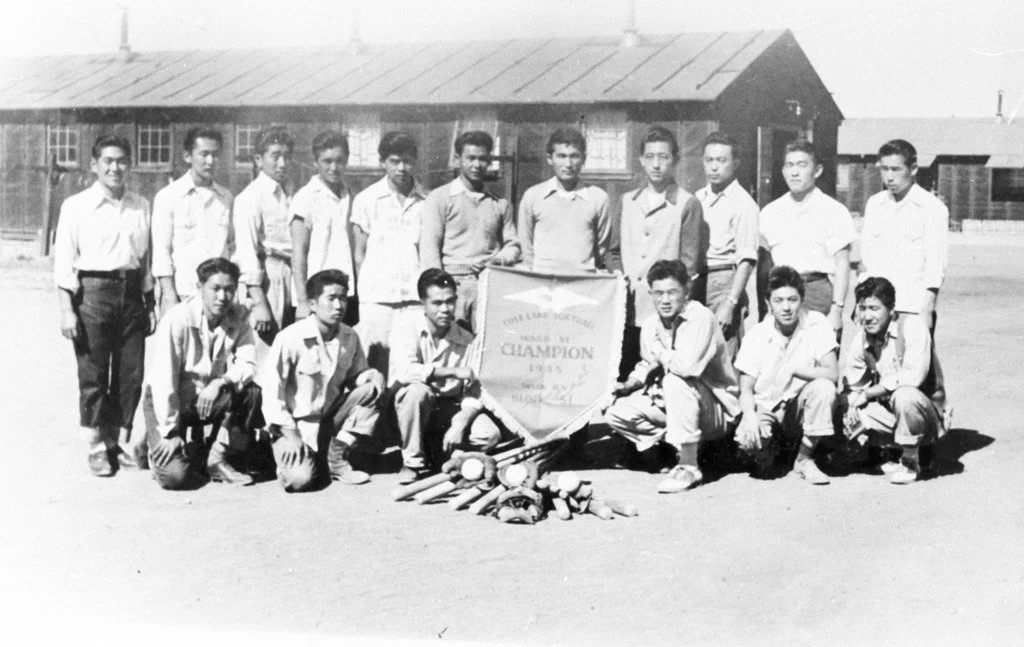
Camp teams sometimes played against teams outside the camp with some traveling to semi-pro tournaments. These teams often won more games than expected, making it as far as the semi-finals.
In 1944, players who “properly” answered the loyalty questions asked by the government were able to play inter-camp games against teams from other incarceration centers.
Mike Lum was the first Japanese-American to play in the Major Leagues.
Hayward native and Ballers Executive Vice President of Baseball Operations Don Wakamatsu served as the A’s bench coach and was the first Asian American manager in MLB when he took the helm for Seattle in 2008. Wakamtsu’s father was born in the Tule Lake Relocation Center.
Roberto Santiago is a third generation Berkeley boy currently raising the fourth generation. Roberto’s writing has appeared in Latina, Parents, and various online outlets. A lifelong baseball fan, Roberto worked briefly with the Boston Red Sox and once hit an RBI single off Spaceman Lee on a 2-2 changeup. It was his only at bat ever in a real baseball game. Find him on Instagram.
