What the B’s Mean to Me: Drew Harris
Oakland’s Sports History: Cultural, Political, and Personal
by Drew Harris
As a longtime—albeit younger—fan and fairly recent participant in the Oakland sports scene, the city’s history of organized professional and local sports in parallel with Oakland’s rich history of passionate activism and resistance has left a strong impression on me from my youth into my young adulthood. With the series of relocations that occurred in recent years with the A’s, Raiders, and Warriors, combined with the strong pushback and demonstrations that ensued, which I participated in, I recently wrote a 25-page research historiography essay in my graduate history program at Sac State, compiling primary and secondary sources about this longstanding relocation saga and framing the story of the sports relocations and protests within Oakland’s history of resistance and activism. Needless to say, I had the subject on my mind. My comparative social and cultural research essay described all of the events leading to the teams’ respective foundings and their relocations, and closely focused on the clash between the teams, their fans, and the local government regarding the Coliseum complex and the relocations. But here, I wanted to think about it in a new way: how it makes me think about the B’s and why being a fan of the Ballers matters to me.
The pushback and demonstrations deeply connected to Oakland’s long history of social resistance and resilience. I came to realize that the fan resistance naturally fell in line with Oakland’s extensive history of social activism, programs, cultural movements, and resilience, directly in opposition to these financial and stadium politics at the local and national level involving politicians and wealthy team owners. Whether it was this pushback from these sports relocations echoing the Black Panther Party’s historically diverse portfolio of community welfare in Oakland following the Civil Rights Movement into the Black Power movement, or in more recent demonstrations, such as from the Occupy movement, these precedents regarding local and national political issues in Oakland largely influenced the passionate nature of the diverse Oakland sports fandom. This history helped inspire direct action from fans during these protests, whether by starting chants and protests in the stadium, demonstrating in the parking lot, participating in local political meetings, or getting involved in litigation such as from the Schools Over Stadiums PAC.
How do the Oakland Ballers fit into this rich history, might you ask? To me, they represent Oakland as a symbol of cultural resilience and triumph in the face of uncertainty and struggle. As the Athletics were on their way out, the Pioneer League, a minor league-turned-independent-partner-league based in the Mountain West, sought expansion to California. Sensing an opportunity to preserve Oakland’s rich baseball history, community leaders and investors, such as the Oakland 68s, local businesses, and fans who raised funds in exchange for ownership shares raised $2 million to establish the Ballers into the league and, most importantly, keep baseball alive in Oakland.
Additionally, Raimondi Park is historically significant in its own right under previous names like Bay View Park and West Oakland Park. Currently named for baseball player Ernie Raimondi, killed in action as an Army soldier during World War II in the European theatre, Ernie, alongside his brother, Pacific Coast League legend Billy Raimondi of the Oakland Oaks, the brothers and others in their baseball family played extensively on Raimondi Park during their youth. The park has been an important stomping ground for developing young baseball players including Frank Robinson, Vada Pinson, and Curt Flood. Intertwining the park’s historic roots in formulating early Oakland baseball with modern resilience in the face of other sports losses, Oakland’s refusal for the buck to stop at the Athletics’ departure proved a rewarding gamble. Not only did pitcher and future Women’s Professional Baseball League top draft pick Kelsie Whitmore become the first woman to ever play a Pioneer League game with the Ballers in 2024, the Ballers participated in Minor League Baseball’s first game against an independent team with its exhibition against the San Jose Giants, and later accumulated one of the best win percentages in baseball history during their 2025 sophomore campaign at 73-23 (.760), resulting in Oakland baseball’s first championship since 1989. The resistance to the loss of professional teams and quick resilience rewarded a city with a hard-earned championship and lively celebrations, which strengthened the community, and, of course, were so much fun.
What does this mean to me personally, though? As a 25-year-old fan who lives an hour away but was enamored with the Raiders and the Athletics during my teenage and young adult years, I only found myself regularly surrounded by this passionate Oakland sports fanbase once I came of age and the pandemic sufficiently passed. What started with connecting with 68’s VP Anson Casanares and Right Field Will MacNeil in the right field bleachers throughout 2023-24 turned into history and memories of good times at the Coliseum being shared and passed on to me while standing alongside them during their demonstrations, and our passion for preserving Oakland baseball brought us to Raimondi Park for the Ballers. All the friends I made at the Coliseum and Raimondi in that relatively short period of time, and the lost pandemic time I culturally and socially made up for through baseball milestones like the final A’s game at the Coliseum, Fans Fest the following year, the Ballers 2025 opener and championship game, the celebratory parade, and thinking about all of this in my writing, has helped make this one of the most rewarding experiences of my life.
The Ballers have been so inclusive and welcoming of me as a fan too, whether it’s Scrappy playfully throwing darts at my head during ________ or creating close friendships with members of the staff and players. This has reinforced the longstanding notion of Oakland sports being a chosen family. We all are gathered for the same reason and passion, whether you grew up here, moved here from afar, or travel an hour to get here for the love of the game and culture like I do. This is for damn sure a huge part of my identity, and the fact that the B’s accepted a young Vacaville kid as one of their own speaks volumes.
Whether it’s the inheritance of the rich baseball history from the land they play on or the community impact they have made in their short existence, the Ballers already are a deeply ingrained institution of Oakland sports history and a personification of the history I’ve had the chance to explore. Beyond the broad cultural importance and esteem they enjoy from the wider community, they certainly have opened up many opportunities for me and the people I’ve proudly associated with there. I believe the Ballers will continue to enjoy a strong local following with their inheritance of the Town’s passionate sports legacy as they uphold the traditions and values of organized and engaged Oaklanders dating back decades.
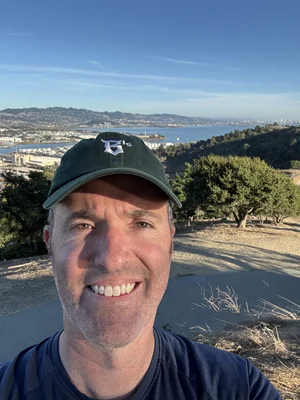
Drew Harris, of Vacaville, California, is a graduate student at Sacramento State, earning his MA in history this fall. He is a longtime professional wrestling and Oakland sports fan, having made memories at the Coliseum previously at Raiders and Athletics games, and currently with the USL’s Roots and MLC’s Unicorns. A devout Oakland Ballers fan, he is frequently found in the general admission bleachers at Raimondi Park with the Oakland 68s, their thunderous drums, and their passionate, creative chants.